


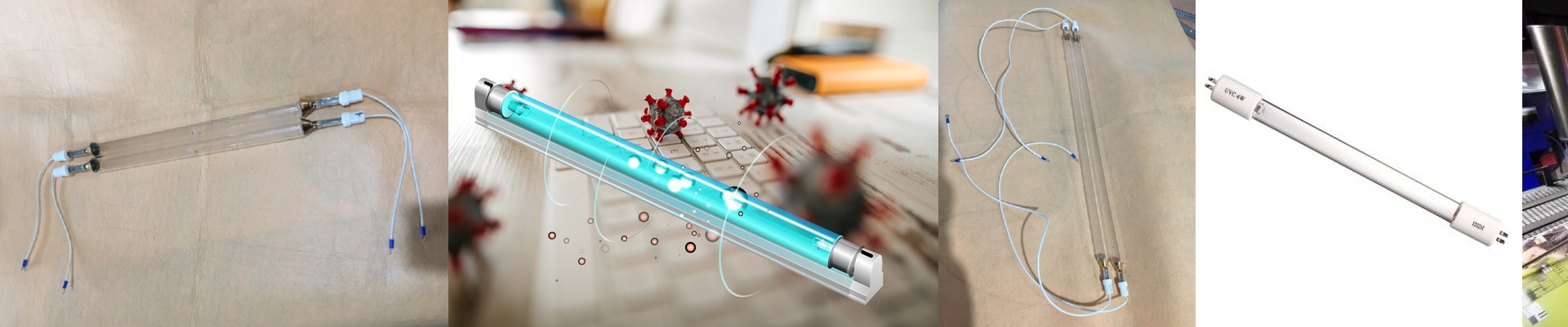
Getting Your UV Curing Right (Without Wasting Power)
Let’s be honest: most people treat UV germicidal lamps like lightbulbs you just swap out and forget about. But if you’re running high-speed printing or textile curing, that mindset will cost you. Pick the wrong lamp, and you’re looking at uneven curing or a power bill that makes your eyes water. We don’t just look at wattage. We look at the actual physics of how photons move. It’s about getting the most UVC output while keeping the energy draw low.
The Balancing Act
Here’s the thing about power: it’s a trade-off. We tweak the gas mixtures and the shape of the electrodes to make the trigger voltage lower. When you’re picking your specs, remember that voltage and wattage dictate how much heat you’re dealing with. Sure, cranking up the wattage makes your line move faster. But it also hammers your ballast. And if your cooling fans can’t keep up? You get thermal drift. That’s when your peak wavelength shifts, and suddenly, your curing efficiency just tanks.
The Nitty-Gritty of Design
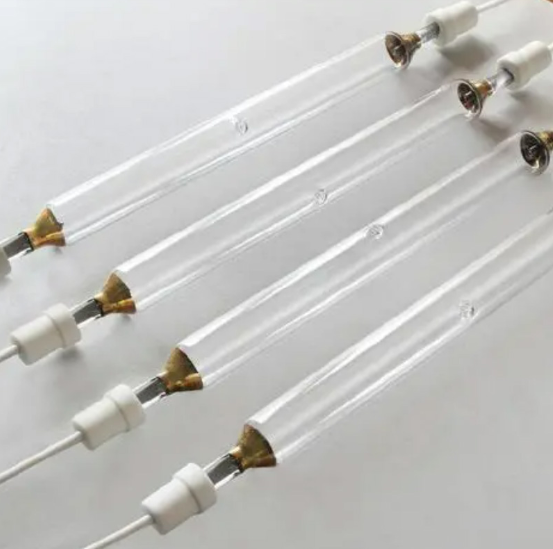
We use high-transmittance synthetic quartz. Why? Because standard glass basically acts like a wall for the wavelengths you actually need. We also focus on keeping the arc stable. Nobody wants a flickering lamp in the middle of a production run. Plus, we make sure the connectors are simple, so these slide right into your existing rigs. One pro tip: make sure the lamp is seated perfectly in the socket. A loose fit is the fastest way to burn out your end-caps because of poor electrical contact. It’s a small detail, but it’s the difference between a lamp that lasts and one that dies early.
Making it Work in Your Shop
These lamps live in the curing stages of your workflow. When the UV intensity matches the photoinitiator in your ink, your line speeds fly. But there’s a catch. Higher intensity usually means a shorter lifespan for the lamp. You have to decide where you want to be: do you want raw power, or do you want to spend less time on maintenance? That’s where we come in. We’ll help you find that sweet spot. You shouldn’t have to replace tubes every two weeks just to hit your production targets. We’ll help you dial it in so it just works.