Introduction
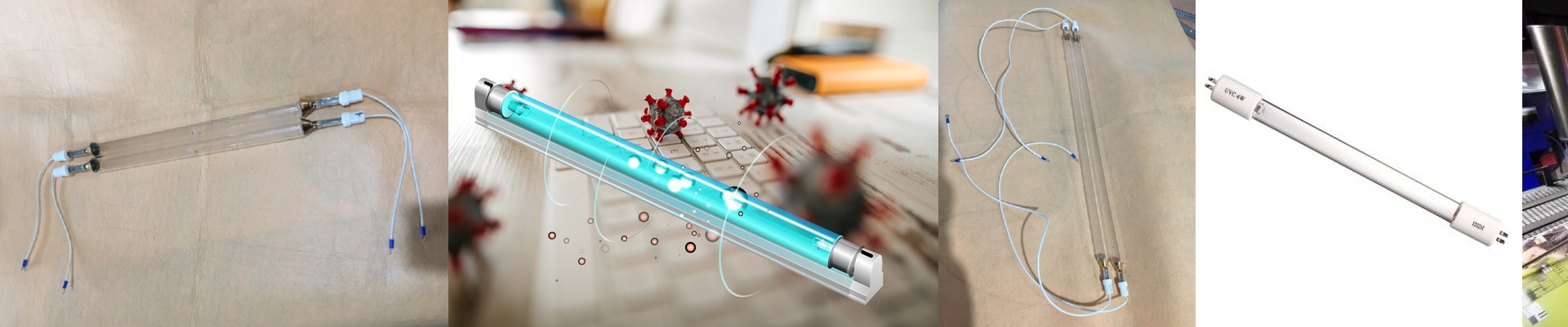
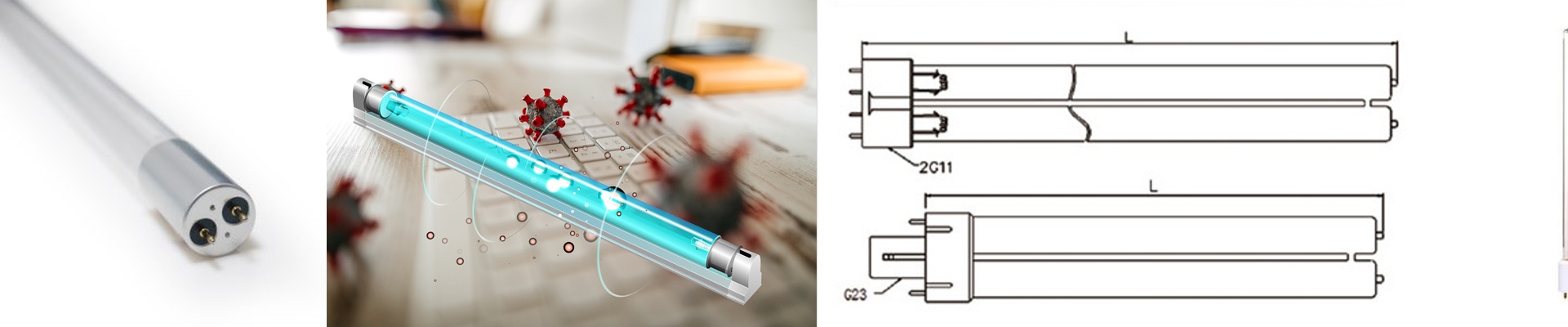
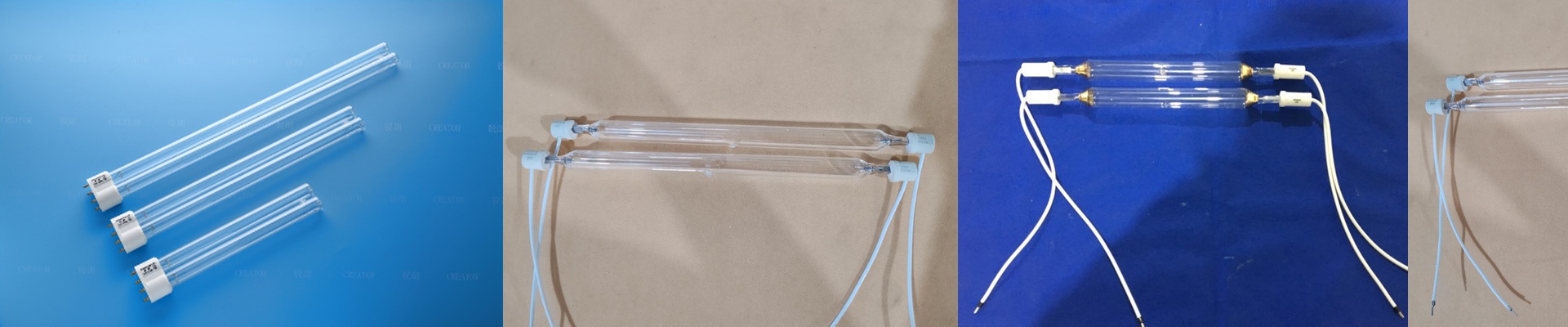
We don’t make one-size-fits-all UV lamps. We build them custom for water treatment systems, because when you’re treating water, there’s no room for “good enough.” The lamp has to match your chamber and your flow rate—period. We don’t try to jam a generic lamp into a space it wasn’t meant for. And our promise is simple: if the curing or disinfection output doesn’t stack up against the best in the same price class, you get your money back. No fine print. That’s not a marketing line—it’s just good, solid engineering.
Power, Voltage, and Dimensions: The Real Details
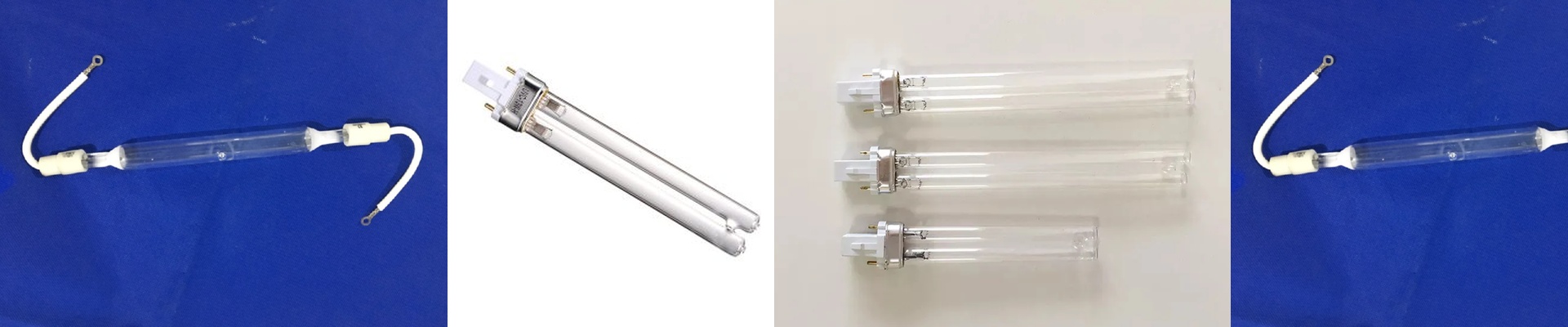
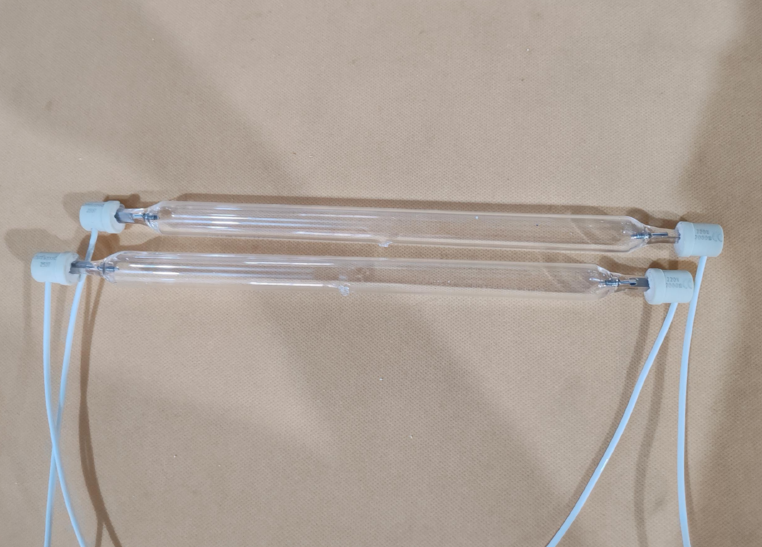
UV intensity in water treatment lives or dies on two things: steady electrical delivery and a perfect physical fit. We spec our lamps to run at industrial voltages, so even when the line voltage wobbles, the arc stays stable. And packing high wattage into a compact tube length gives you the photon density you need to hit your target microbial reduction in one pass. Now, dimensions aren’t just a matter of “fitting.” They matter in practice. The lamp length and arc gap literally shape the irradiated zone inside the chamber. Too short? You get dead zones where microbes slip by. Too long? You waste power and create extra heat you don’t need. We size the lamp to match the chamber footprint, so you get repeatable dosing without over-complicating the whole setup.
Materials and Design: Built to Take the Punishment
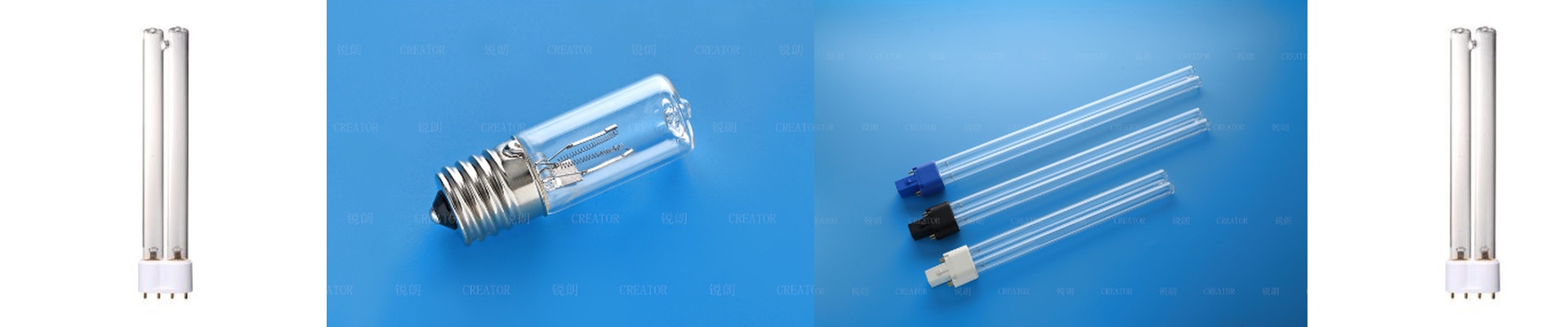
UV lamps live in a rough neighborhood—heat, moisture, constant voltage stress. So we build them accordingly. We use high-purity quartz sleeves. They keep UV transmission strong and handle thermal shock without cracking. Inside, the coatings are chosen to keep output stable over the lamp’s life, so you don’t get that sudden drop that forces you to replace the lamp too soon. And connectors? They matter more than people think. We use an R7s base because it gives you solid contact and repeatable alignment. That means swapping lamps is quick—no rewiring, no head-scratching. The mechanical interface holds tight even when things heat up and cool down, which cuts down on arcing and contact heating. That helps protect the electronics in the ballast compartment and keeps things running longer.
Real-World Performance: Water Treatment That Stays Consistent
In water treatment, the lamp can’t be moody. It has to deliver consistent germicidal output, shift after shift. So we tailor the configuration to hit the right UV dose for your specific flow rate and water quality. The payoff is disinfection you can count on, less downtime for maintenance, and fewer surprise failures that leave you scrambling. Here’s the trade-off to keep in mind: higher power density means stronger UV output, but it also means more heat. Make sure your chamber cooling and ballast thermal management are matched to the lamp spec. If you need a drop-in replacement that actually performs, send us your chamber dimensions and flow requirements. We’ll spec the lamp so it hits the disinfection performance you’re after.