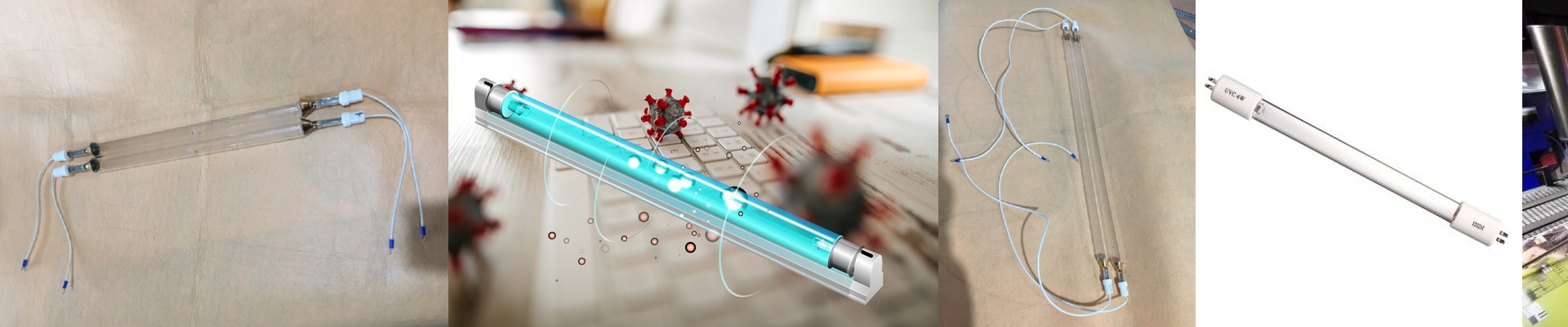
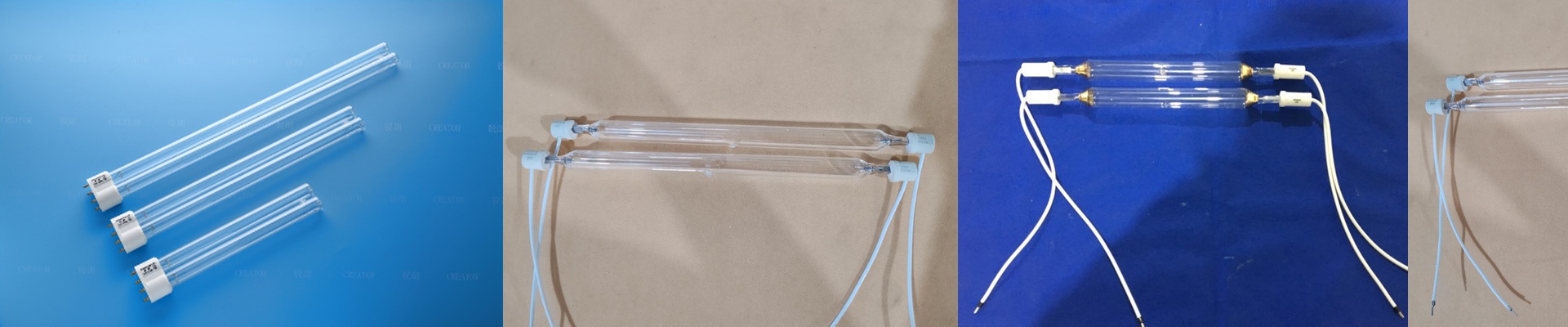
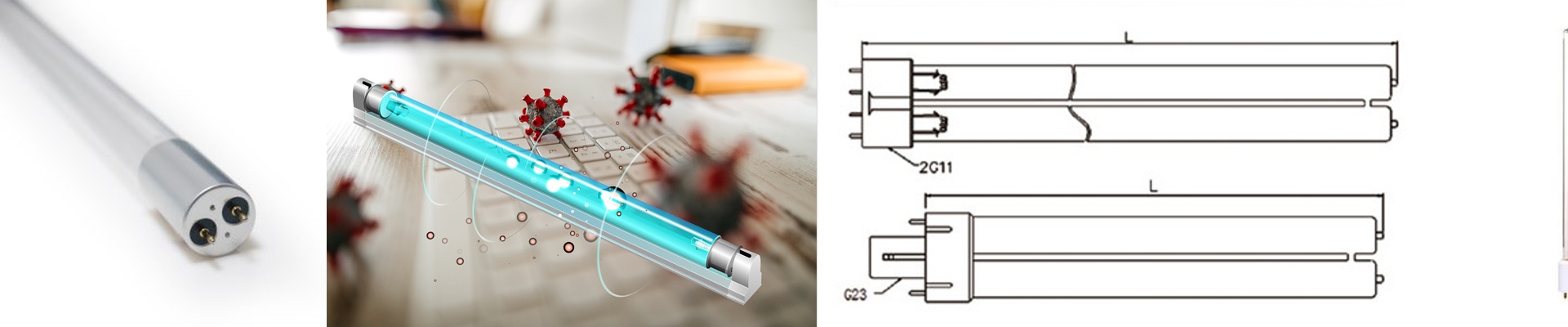
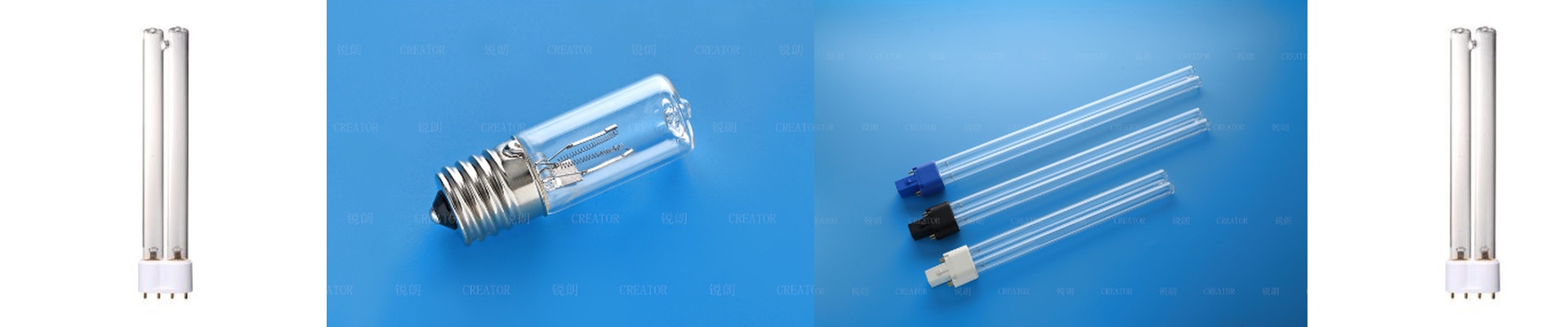
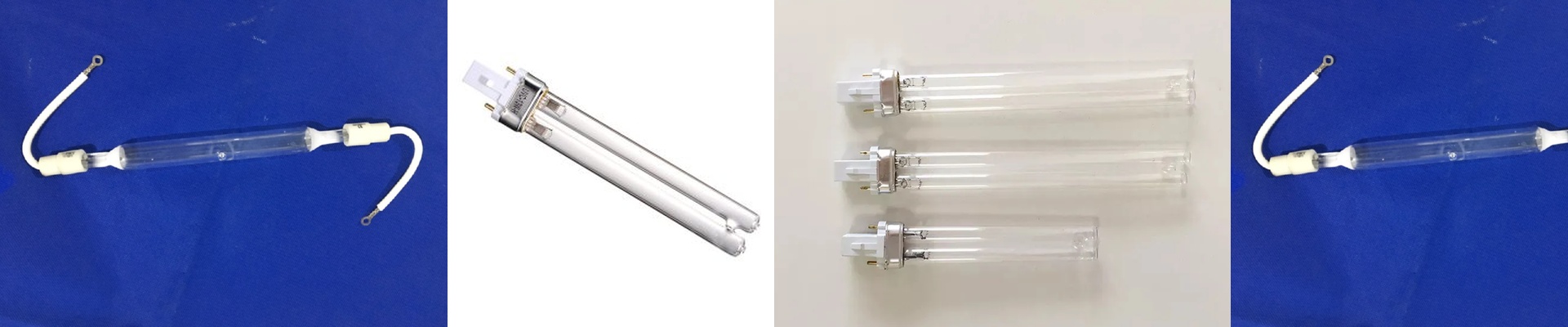
On the garment flash-cure line, that sharp smell isn’t just a headache—it’s VOCs walking right out the door because the photoinitiators didn’t finish their job. And it’s scrap, too. When cross-linking falls short, the surface stays tacky, and you get blocking and wash loss. We built the gallium iodide lamp for platemaking to give you the spectral control and energy density needed to drive those reactions home in a single pass. What matters, technically The gallium iodide dopant pulls the spectrum toward 365–385 nm, which lines up with the absorption of the acrylate photoinitiators in most UV inks. That tight emission means better photon efficiency—higher peak irradiance at the actinic peak without cooking the substrate. In practice, you can cure faster at the same line speed, or run cooler at the same speed. The lamp also runs cooler than a standard high-pressure mercury vapor lamp, so the reflector and the substrate stay easier on heat-sensitive coatings—think plastisol-like finishes on textiles. Why it works where you need it Flash-cure flash drying is about catalysis, not just heat. This lamp delivers the UV dose to fully polymerize the ink film, collapsing the volatile fraction and knocking out that flash odor. The surface comes out dry to the touch right away, so you can stack without offsetting, and you see fewer rejects from migration and poor wash fastness. Output stays stable over 3,000+ hours, with less than 8% irradiance drop at the 365 nm peak—so cure stays consistent across the shift, and you don’t have to chase it with constant tweaks. A few real-world details Gallium iodide lamps are picky about ignition voltage and ballast matching. If you run them outside the specified arc length or with mismatched drivers, you’ll get ignition instability and the electrodes wear early. They also need clean, focused reflector geometry to hit the target dose. Make sure the reflector’s dichroic coating is matched to the 365–385 nm band, and confirm your spectral radiometer can measure in that range. When the setup is aligned, you get repeatable curing, lower VOC emissions, and a lower total cost of ownership—fewer lamp changes, less rework, and less downtime.
در خط خشککن فلش لباس، آن بوی تند صرفاً یک سردرد نیست—بلکه VOCهایی هستند که به دلیل تکمیل نشدن عملکرد فوتوانیشیِیتورها مستقیماً از مسیر خارج میشوند. این موضوع باعث افزایش ضایعات هم میشود. وقتی اتصال عرضی (cross-linking) ناکافی باشد، سطح چسبناک باقی میماند و باعث چسبیدن قطعات به هم و کاهش مقاومت در شستشو میشود. لامپ یدید گالیوم را برای ساخت کلیشه طراحی کردیم تا کنترل طیفی و چگالی انرژی لازم برای انجام این واکنشها در یک عبور فراهم شود.
مسائل فنی مهم
دوپانت یدید گالیوم طیف نوری را به سمت 365–385 nm میکشاند که با جذب فوتوانیشیِیتورهای اکریلات در اکثر جوهرهای UV همراستا است. این انتشار متمرکز به معنای بهرهوری فوتون بهتر است—شدت تابش قلهای بالاتر در پیک آکتینیک بدون اینکه بستر حرارت ببیند. در عمل، میتوان با همان سرعت خط سریعتر خشک کرد یا با همان سرعت دمای پایینتری داشت. همچنین این لامپ دمای کمتری نسبت به لامپ بخار جیوه فشار بالا استاندارد دارد، بنابراین بازتابنده و بستر فشار حرارتی کمتری به پوششهای حساس به حرارت وارد میکنند—مثلاً پوششهای پلاستیزول مانند روی پارچهها.
دلیل عملکرد در محلهای مورد نیاز
خشککن فلش فلش-کیور بر پایه کاتالیز است، نه فقط حرارت. این لامپ دوز UV لازم برای پلیمریزاسیون کامل فیلم جوهر را تأمین میکند، بخش فرار را کاهش میدهد و بوی فلش را از بین میبرد. سطح بلافاصله پس از خشک شدن خشک لمس میشود، بنابراین میتوانید بدون نگرانی از جابهجایی قطعات انباشته کنید و تعداد ردهای ناشی از مهاجرت جوهر و ضعف پایداری شستشو کاهش مییابد. خروجی لامپ بیش از 3000 ساعت پایدار باقی میماند، با کاهش تابش کمتر از 8٪ در پیک 365 nm—بنابراین فرایند کیورینگ در طول شیفت یکنواخت است و نیازی به تنظیم مداوم نیست.
چند نکته عملی
لامپهای یدید گالیوم به ولتاژ جرقه و تطابق بالاست حساس هستند. اگر در طول کمان مشخصشده یا با درایورهای نامتناسب استفاده شوند، ناپایداری جرقه و فرسایش زودهنگام الکترودها رخ میدهد. همچنین نیاز به هندسه بازتابنده تمیز و متمرکز برای رسیدن به دوز هدف دارد. مطمئن شوید پوشش دیکروئیک بازتابنده با باند 365–385 nm تطابق دارد و دستگاه طیفسنج شما قابلیت اندازهگیری در این محدوده را دارد.
وقتی تنظیمات هماهنگ باشد، کیورینگ تکرارپذیر، انتشار VOC کمتر و هزینه کل مالکیت پایینتر خواهید داشت—تعویض کمتر لامپ، نیاز کمتر به بازکاری و کاهش زمان توقف خط.