



Stop Guessing With Your UV Systems
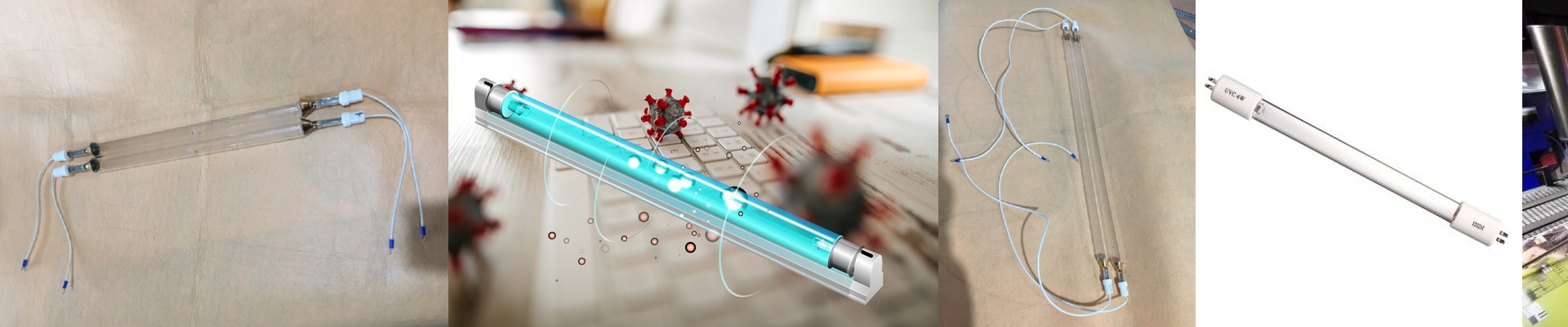
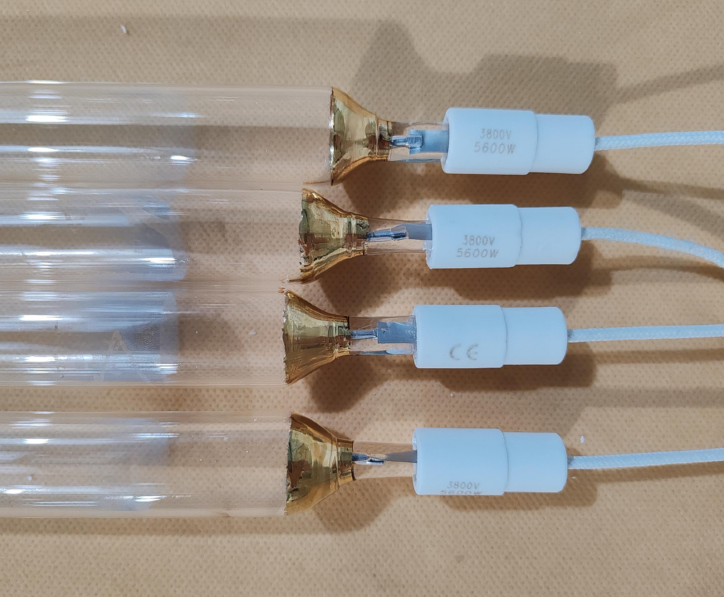
Most UV sterilization setups are basically running on a prayer and a timer. You set a schedule, you hope for the best, and you cross your fingers that the lamps are actually doing their job. We’re changing that. Instead of guessing, we’re building energy monitoring right into the ballast and lamp setup. It means you can see exactly how much power is being pulled and how much UVC is actually hitting the target—all from your screen. No more sending a technician onto the floor just to take a manual reading. Here is the real problem with UV lamps. They don’t always just “pop” and go dark. Most of the time, they just get tired. The lamp still glows, so it looks fine to the naked eye, but the actual germicidal output has tanked. You think you’re sterilizing your line, but you’re actually just running a fancy purple light. By keeping an eye on the electrical load and those little current fluctuations, we can tell exactly when a lamp is starting to fade. We use IoT sensors to push that data to a dashboard. It’s a huge relief. You stop wasting money replacing perfectly good lamps too early, and more importantly, you stop risking your product on a lamp that’s barely working. Now, it’s not all magic. There are a few things to consider. Adding this hardware means your control box will be a bit bigger. You’ll also need a solid network connection at the site—because if the Wi-Fi drops, your data gaps happen. We use industrial-grade controllers because UV ignition creates some nasty high-voltage spikes that would fry cheaper gear. And if you’re plugging this into an existing PLC, just double-check that your protocols actually talk to each other. What does this actually do for your day-to-day? It turns maintenance from a guessing game into a simple to-do list. You can spot a dying ballast before it trips a breaker and shuts down your whole operation. Plus, you can finally see where you’re wasting energy during idle cycles. When you know exactly what every lamp in the building is drawing, you can plan your power grid without the guesswork. It’s all about visibility. You see the power, you know the lamp life, and you fix things because the data tells you to—not because the calendar says so.