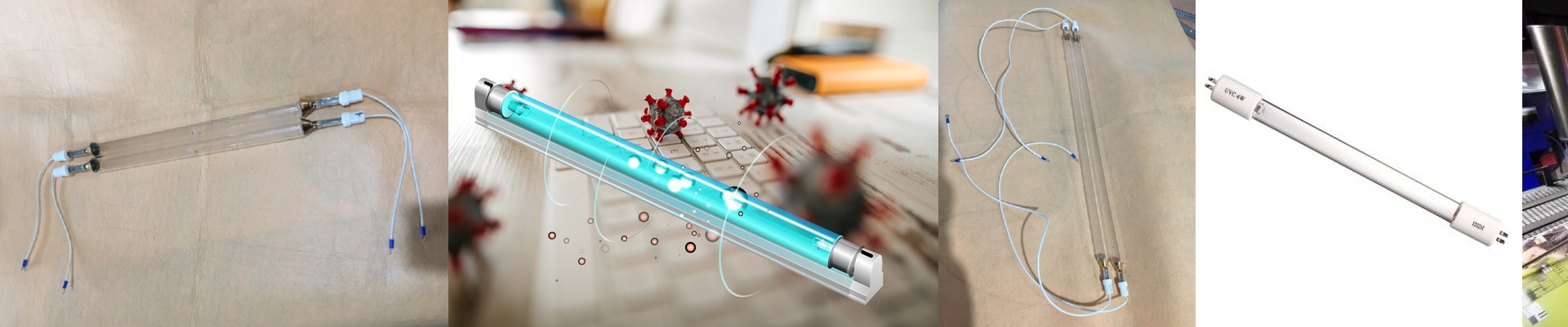
When you’re disinfecting public spaces, speed and reliability aren’t just nice to have—they’re everything. We’re talking about getting the job done quickly without ever cutting corners on how well you kill germs. So, how do we make that happen? It all comes down to a high-intensity UVC lamp. One that packs a serious punch of energy, paired with smart logic that adjusts on the fly to the space it’s in.
Power, Voltage, and Energy Density: The Secret Sauce
Here’s the thing about these UVC lamps: they’re built to squeeze maximum power into a small package. We run them at high voltage and high wattage to get that intense UVC output. What does that feel like for you? It means a powerful dose of disinfection in a shorter amount of time. You’re not waiting around. Each cycle is over faster. But there’s a trade-off. Packing that much power into a small space generates a lot of heat. So, the robot’s thermal system has to be seriously well-engineered. It has to keep the lamp and the electronics cool enough to keep running strong, hour after hour.
The Build: It’s All About the Details
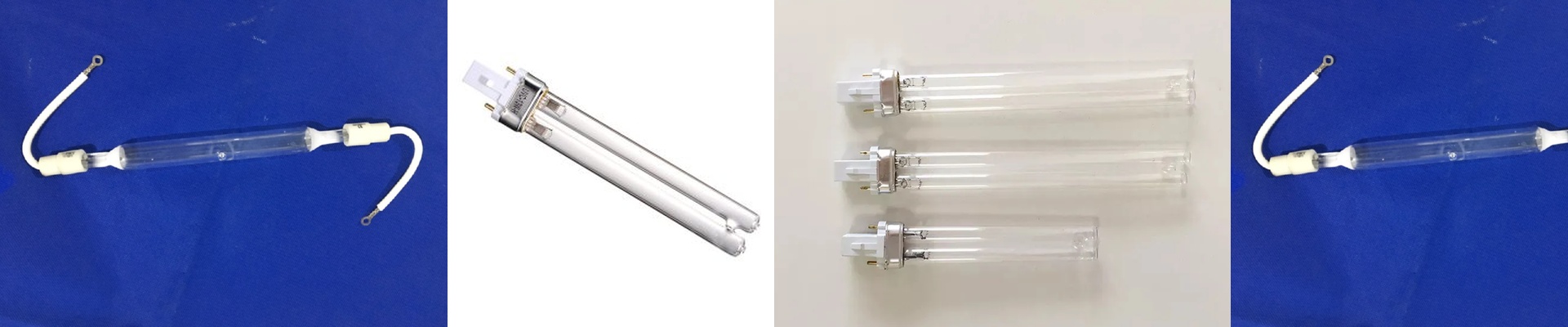
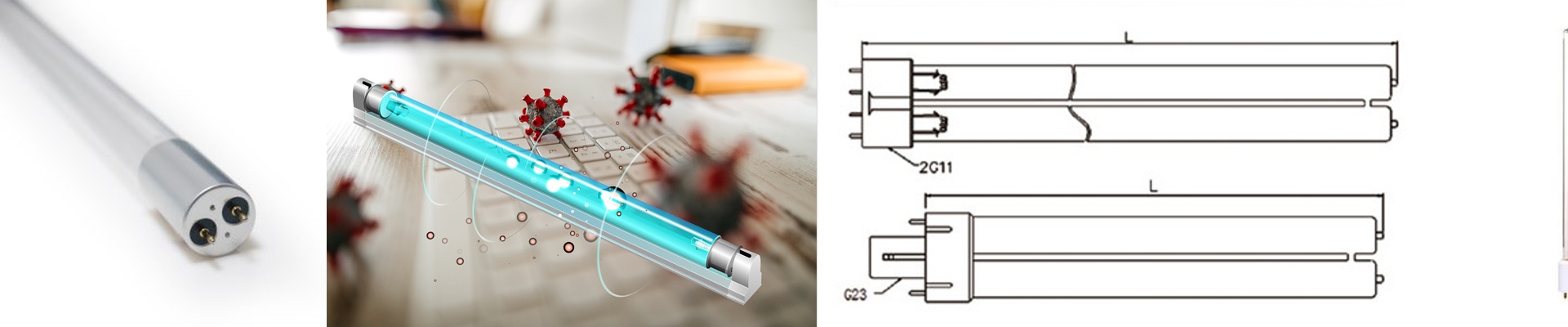
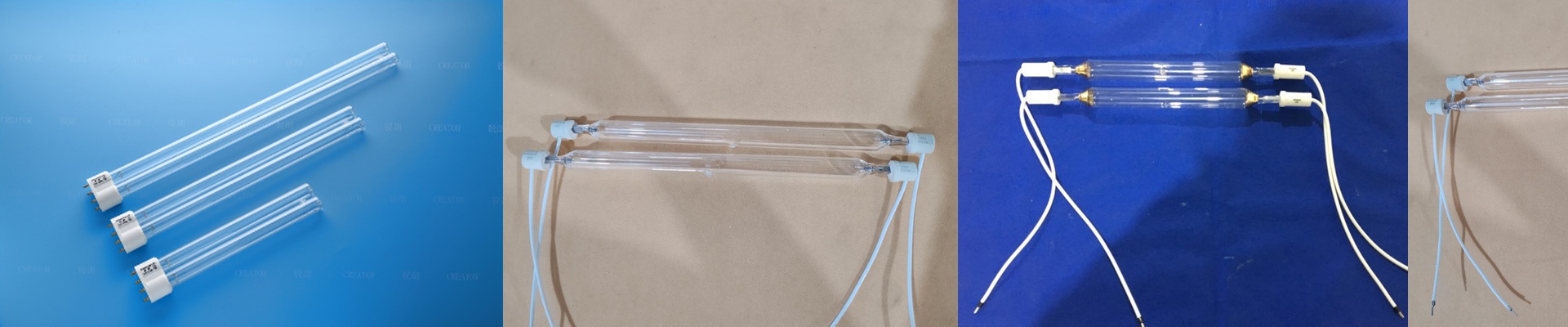
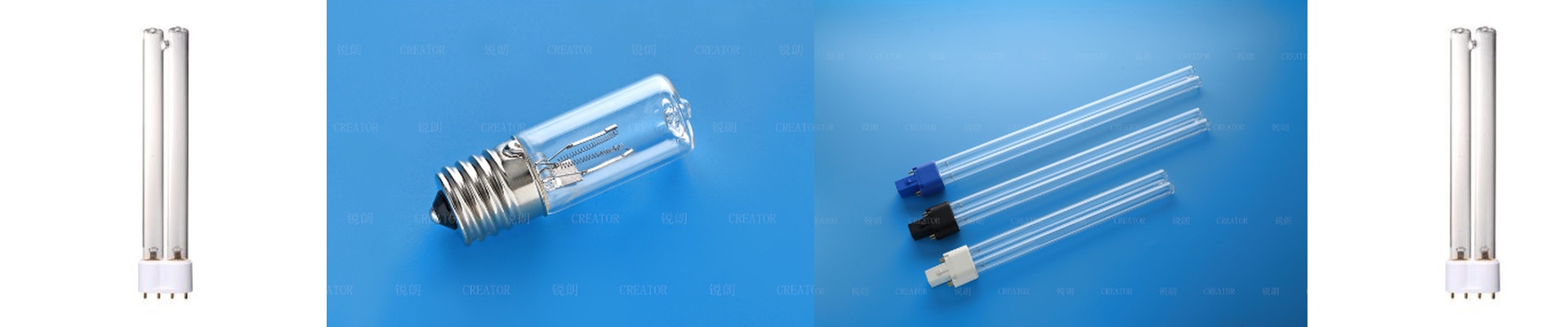
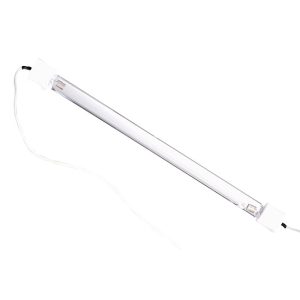
The lamp’s quartz envelope isn’t a random choice. It’s there to let the shortwave UVC through, while handling the intense heat without cracking under pressure. The internal coating is designed to keep the output steady and consistent, even after thousands of hours of use. And that connector? The R7s base isn’t just there for looks. It provides a solid, high-current connection that can handle the high voltage and the constant heating and cooling without failing. It’s a tough build, but let’s be honest—it still takes a beating. Running at high intensity puts wear and tear on the filament and terminals. So, a regular check-up and planned replacement are just part of the routine. Think of it like a tune-up for a high-performance engine.
The Payoff: Faster Cycles, Smarter Work
When you put this all together in a disinfection robot, the result is simple: you get more done. The intense UVC output means less time spent on each area, so the robot can cover more ground in an hour. And it gets even smarter. The adaptive control system uses real-time sensor data to adjust the output and exposure time, making sure the process is efficient and targeted. Now, the lamp itself is a straightforward component for an engineer to install. But it has to be matched correctly to the fixture and the control board. If you don’t get the ballast and thermal specs right, you’re risking premature burnout and inconsistent performance. It’s all about making sure the parts work together, seamlessly.