Getting Mixed Inks to Cure Right
Here’s the thing about printing with mixed inks—gel and water-based together—one single UV lamp just can’t treat them the same. We build our custom UV lamps around tuning the spectrum, because inks care about the wavelength, not just raw power. Gel inks want a stronger dose of short-wave energy so they cure on the surface without sinking into the paper. Water-based inks need longer waves that push through the water, drying the ink without overheating the print. So instead of a fixed spike, you get a spectrum you can dial in. You match the output to the ink stack, and the lamp cures the top layer cleanly—without trapping wet stuff underneath. The payoff? Less tack, no set-off, and dot gain that stays in line.
Built to Stay Consistent, Shift After Shift
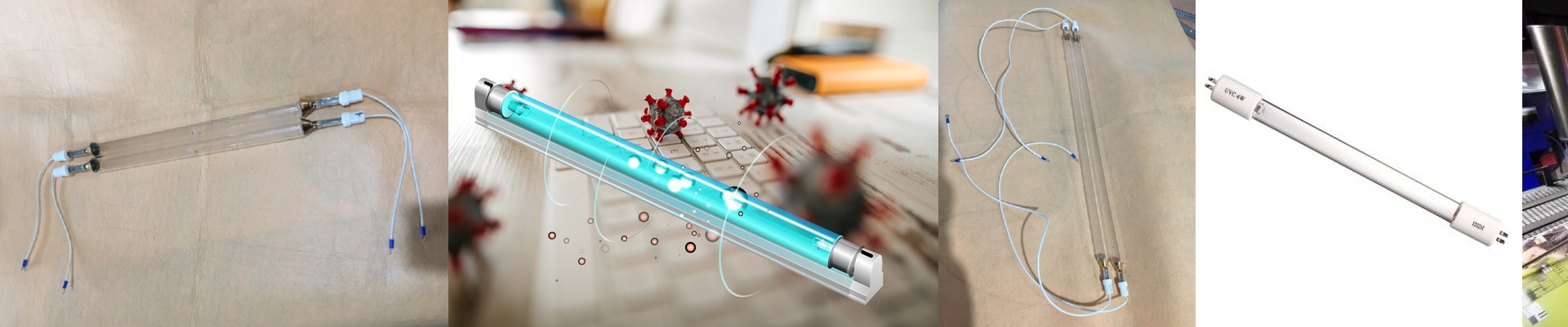
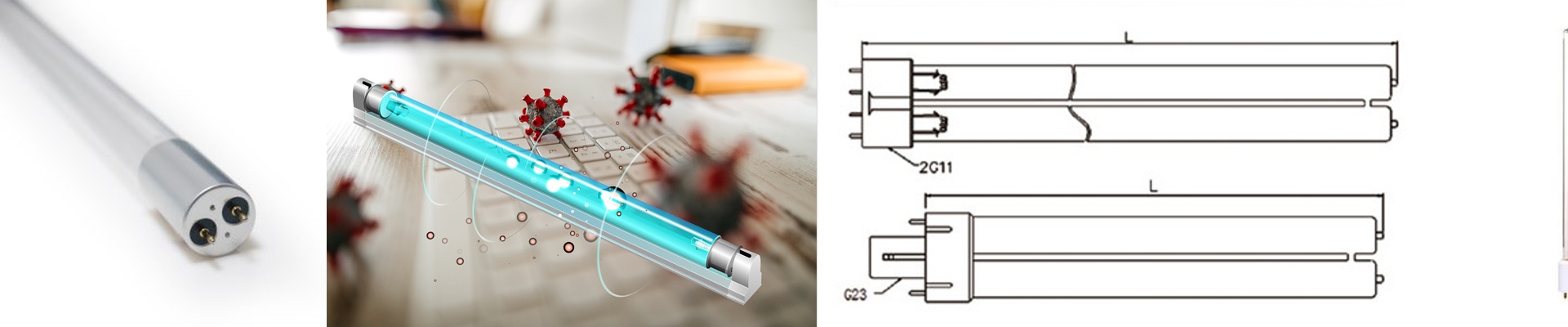
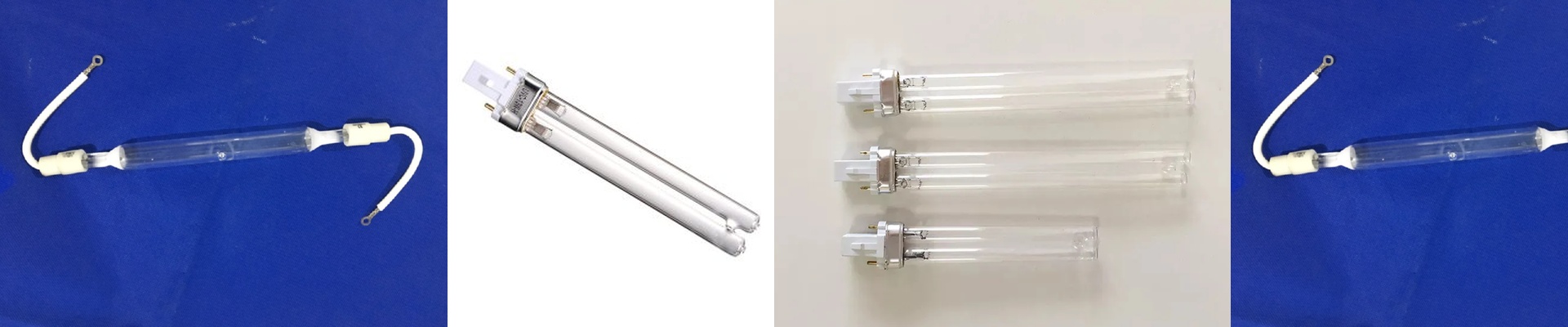
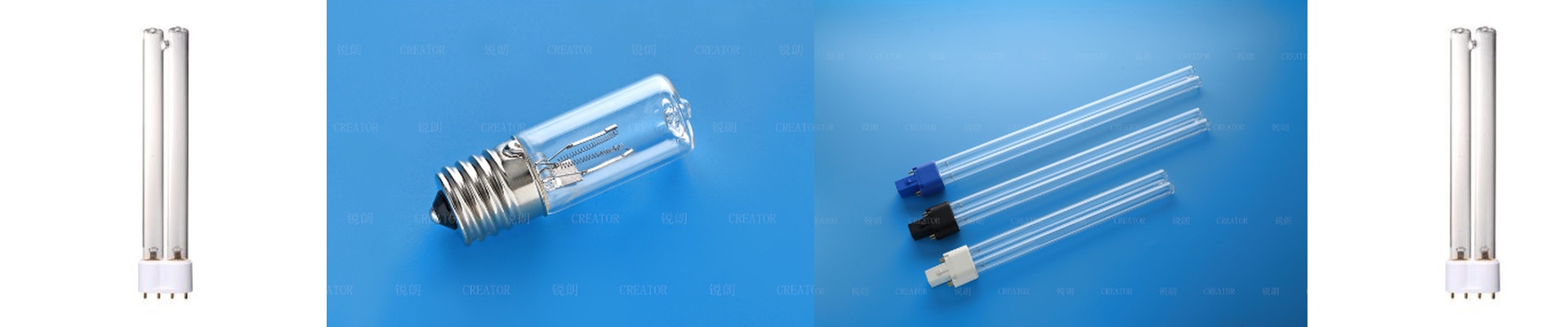
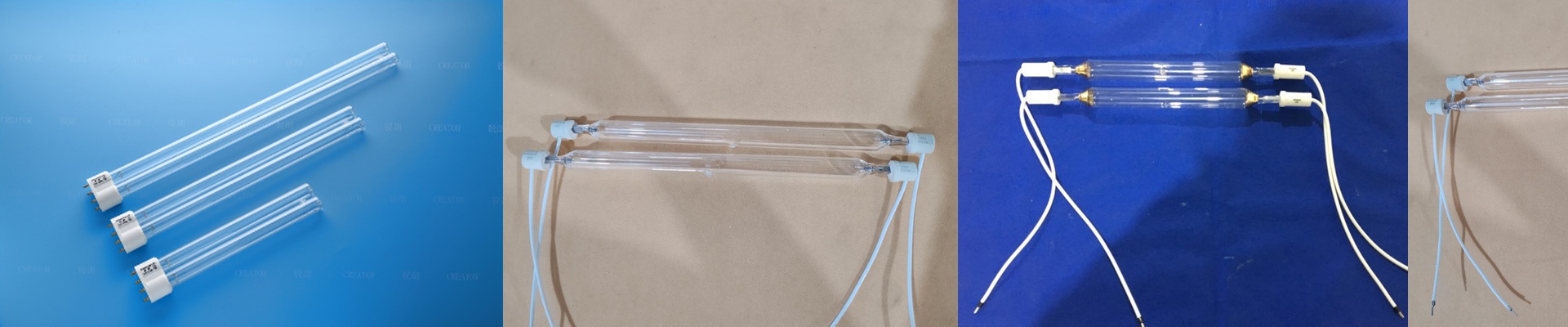
We start with a solid foundation: a stable quartz envelope, plus coatings that keep transmission steady even under intense energy. The lamp runs at a specific voltage and power, packed into a small footprint so you get high radiant density. That concentration is what makes curing fast. But it also means heat has to be managed, no exceptions. And the connector matters more than you’d think. Whether it’s R7s, SK15, or another industrial interface, it’s chosen for one reason: secure, repeatable contact. Good contact prevents arcing and voltage drop, which protects lamp life and keeps output stable—day after day.
On the Press: Control, Flexibility, and the Real Trade-off
On the floor, the lamp becomes your control point. Tune the spectrum to the ink mix, and you can run faster with fewer rejects. Change formulations? Tune again. No swapping hardware. But there’s a trade-off: heat. High power density needs serious cooling—airflow and reflector geometry have to be right so both lamp and substrate stay within safe limits. When the cooling is dialed in, you get repeatable curing across gel and water-based inks, output that stays steady, and maintenance you can actually plan for.