Getting Your UV Curing Right (Without the Headache)
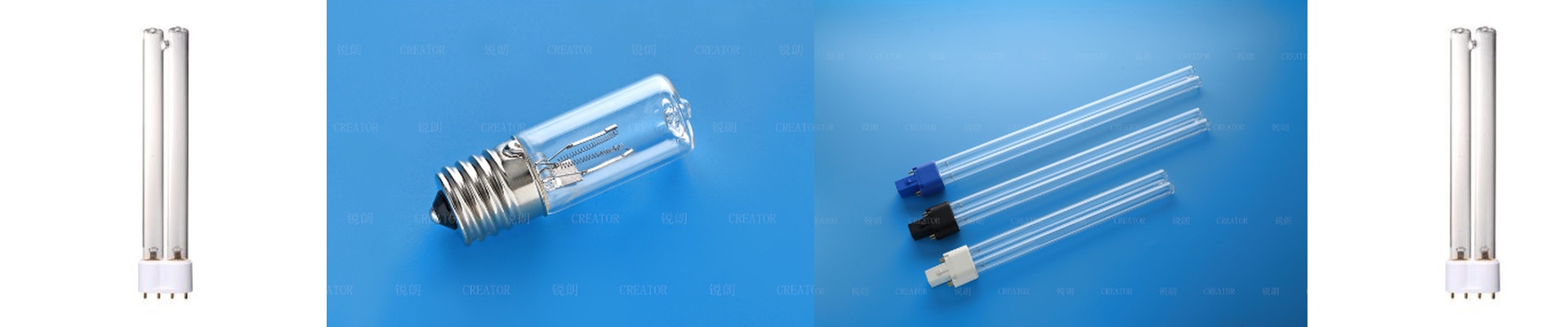
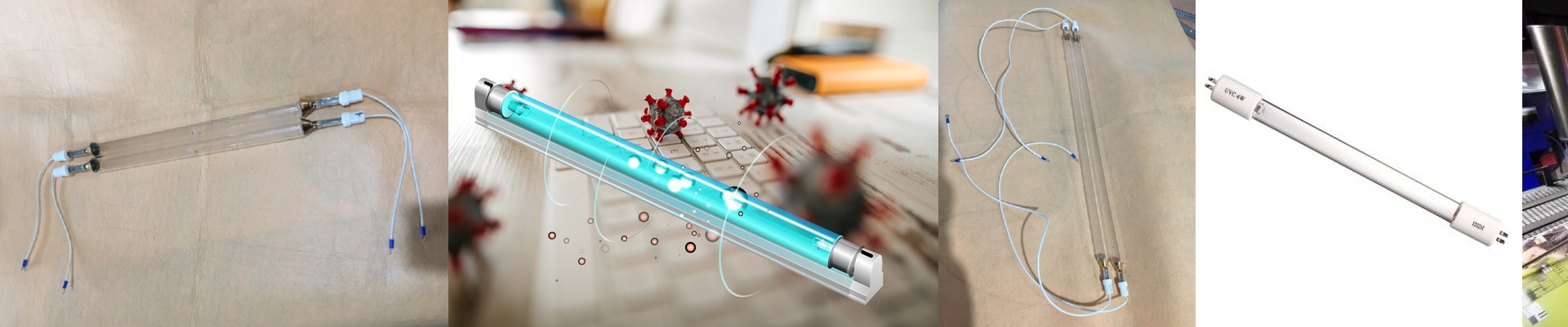
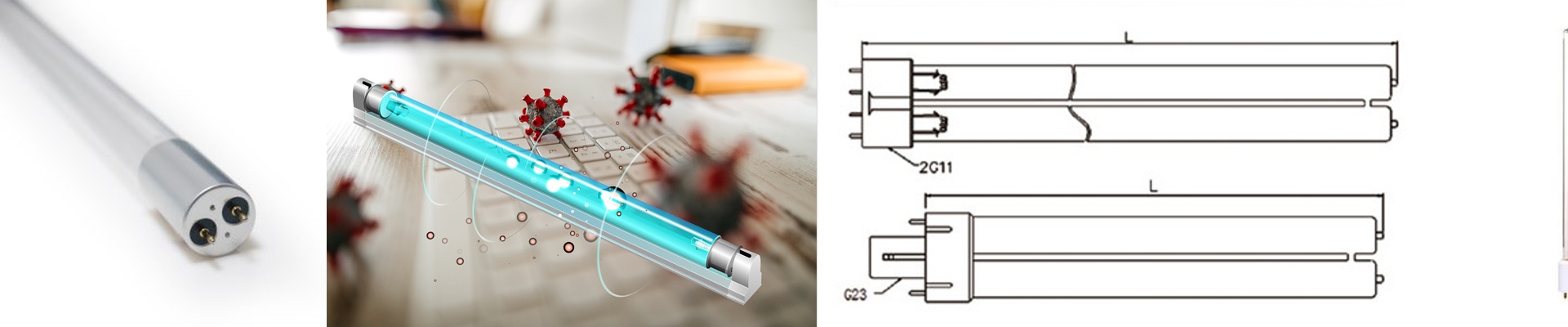
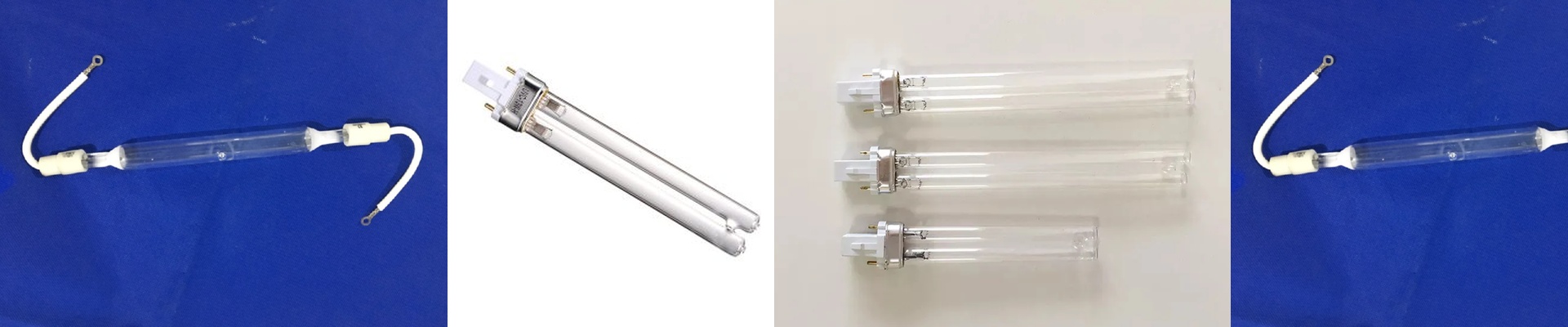
We built our custom UV lamp modules because we were tired of seeing the same problem: generic lamps just can’t keep up with high-speed printing lines. You end up with ink that bleeds or a surface that stays tacky way too long. We spent some time at the 2026 Printing Expo showing people how a bit of precision tuning and better cooling actually fixes that. The trick is in the wavelength. Most off-the-shelf lamps drift. They aren’t consistent. We dial ours in to hit a very specific peak—usually 395nm for curing or 254nm for sterilization. Why? Because that’s what makes the ink react instantly. Plus, by packing more power into every linear centimeter, you don’t need a conveyor belt that stretches across the entire warehouse. You save a massive amount of floor space. Keeping things cool. Here’s the thing: high-wattage UV creates a lot of heat. If the module gets too hot, the LEDs either shift their spectrum or just burn out. Not great. To stop that, we use anodized aluminum heat sinks and forced-air cooling to keep everything stable. We also made these as drop-in replacements. You can just wire them into your current power rails. No need to rip out your electrical cabinet and start from scratch. The honest truth about integration. Look, high-intensity UV isn’t some magic wand. When you cram that much power into a small space, you have to watch out for substrate shrinkage or warping. If you’re working with thin PET or films that hate heat, you’ll need to play around with the distance between the lamp and the material, or maybe nudge your line speed down a bit. We don’t do “one size fits all.” That never works. Instead, we build the module to your specific voltage and length so it actually fits your frame and hits your curing target.