Precision for the Pros Who Won’t Settle
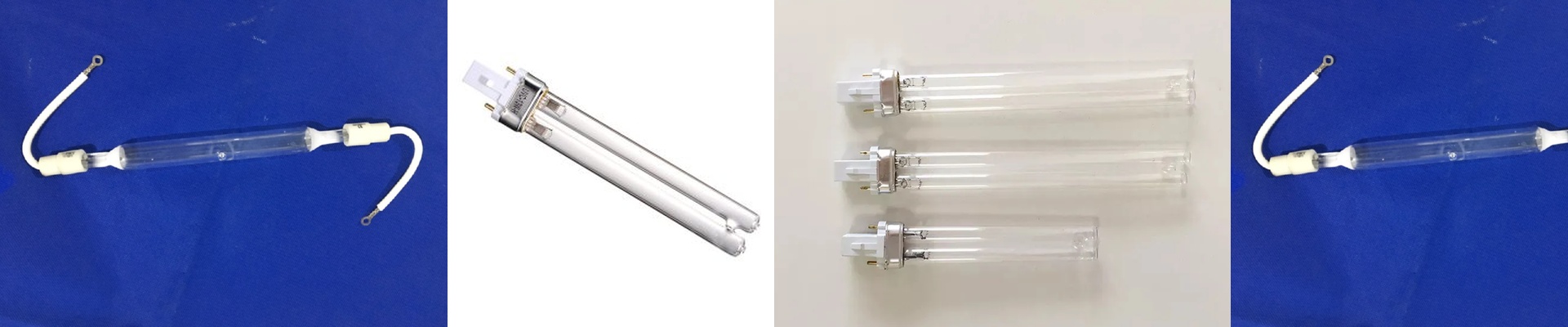
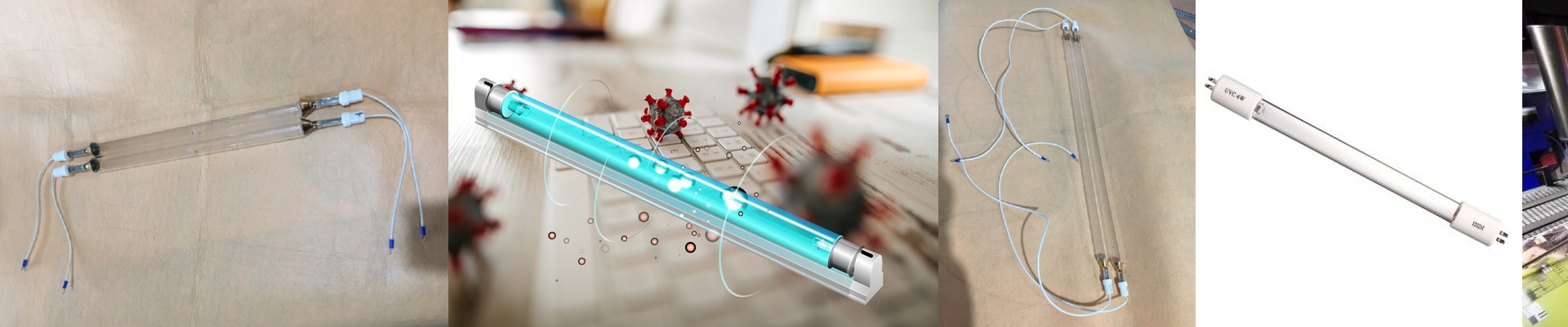
We built this standard mercury UV curing bulb for engineers who hate inconsistency. The whole point? Hitting a 0.5% spectral energy concentration. That number isn’t just a spec—it’s the backbone of a stable process. When your UV-cured parts need to come out the same, every single time, you don’t just need power. You need predictability.
Power, Voltage, and Size—Sorted
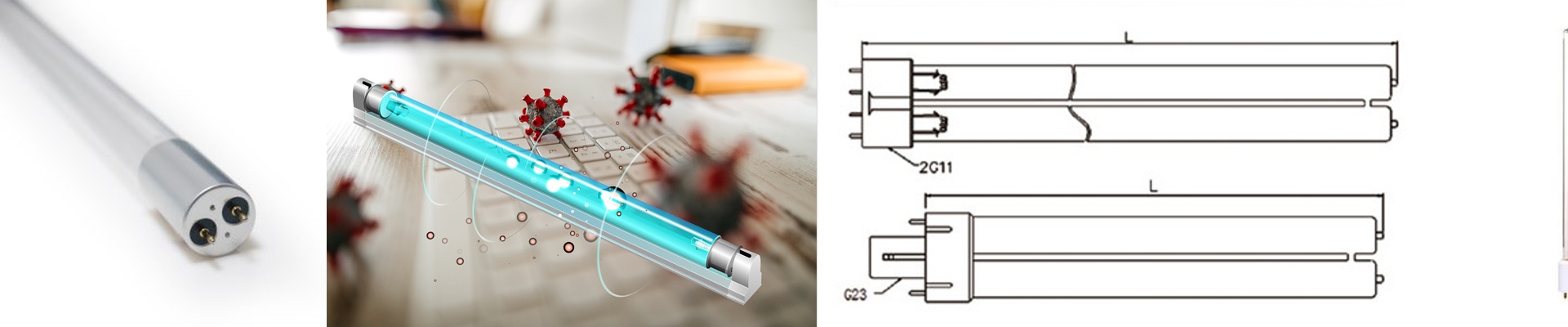
A standard mercury UV bulb lives inside a tight power envelope. The physics are very specific: voltage, wattage, and the length of the quartz arc tube all have to line up. We tune the lamp so the energy density is even along its entire length. That means the whole curing zone gets the same dose, no hot spots. And the 400V high-voltage input? That’s standard because it pushes the arc hard enough to keep the plasma steady, even against the resistance of the quartz. The lamp strikes instantly, holds a stable arc temperature, and keeps power swings from wrecking a production run.
The Materials That Make It Tough
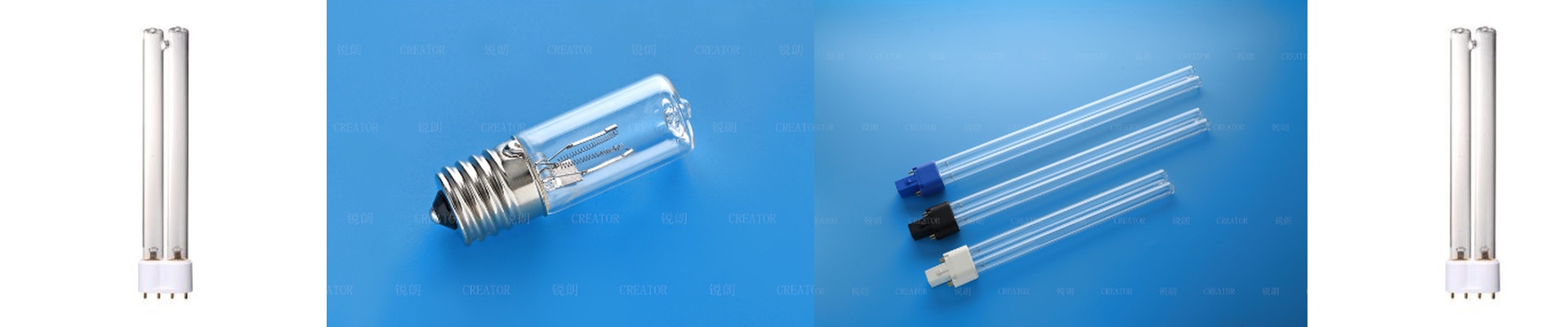
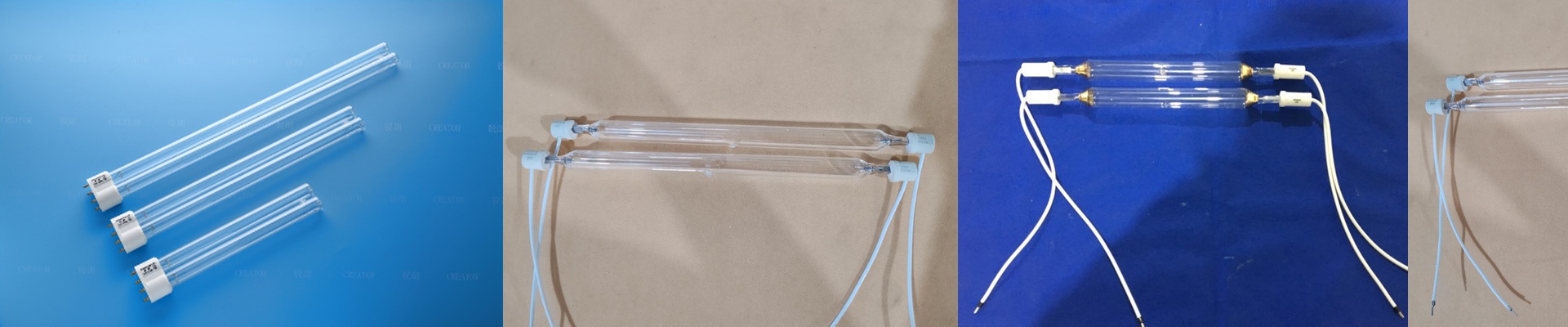
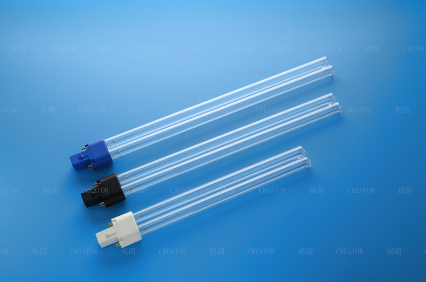
The bulb is made from high-purity quartz. It can take the searing heat of the mercury arc and still let plenty of UV through. Inside, the mercury amalgam is dosed with care so the spectrum peaks right where your photoinitiators need it. Then there’s the R7s connector. It’s a simple bi-pin setup that’s easy to wire and stays solid through the constant heating and cooling on the factory floor. It’s a drop-in workhorse—built to take the punishment.
Why This Setup Matters: Stability, Plain and Simple
This configuration is for the jobs where curing isn’t optional. With that 0.5% spectral energy concentration, you get consistent cure depth and surface finish, run after run. The R7s connector makes swaps quick, so you’re not stuck waiting around. Now, the trade-off is heat. This bulb throws off a lot of it, so your cooling system needs to be up to the task. We built this lamp to give you control over the whole process—not just the output.