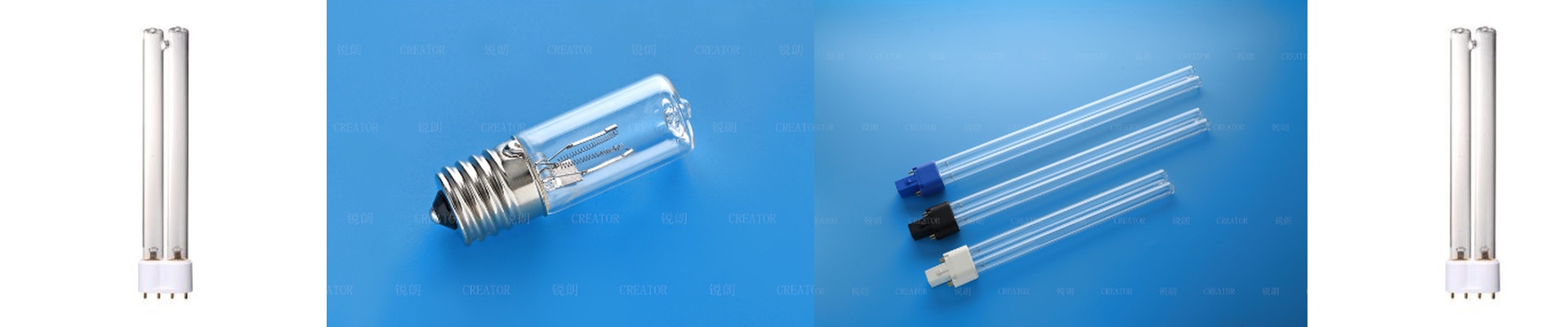
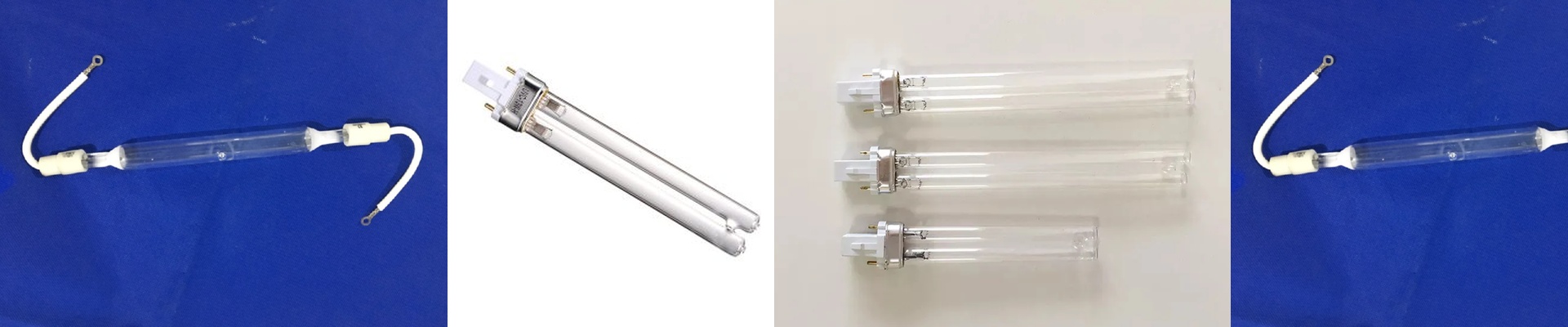
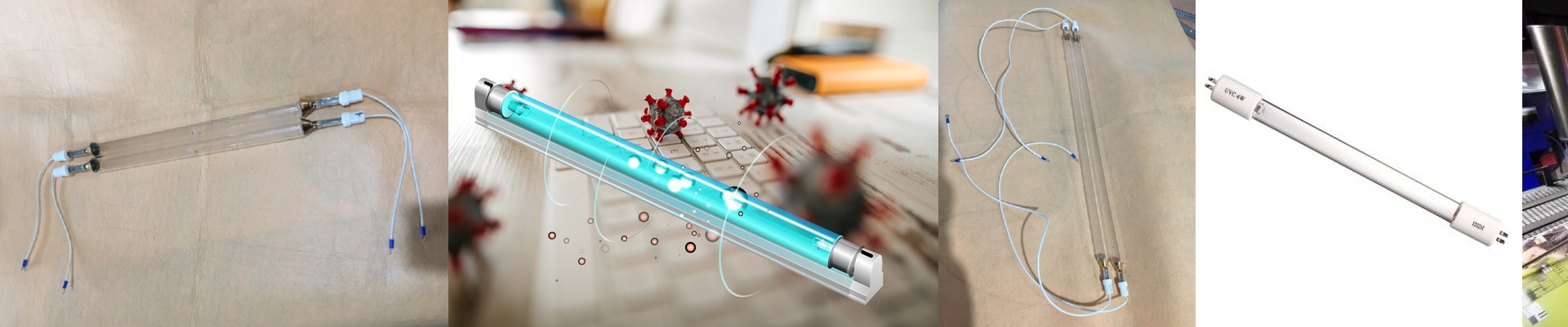
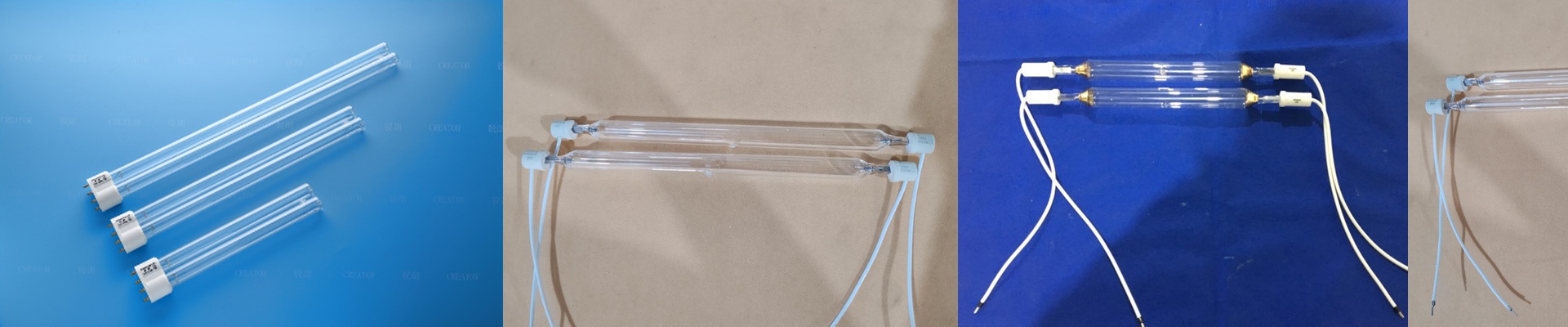
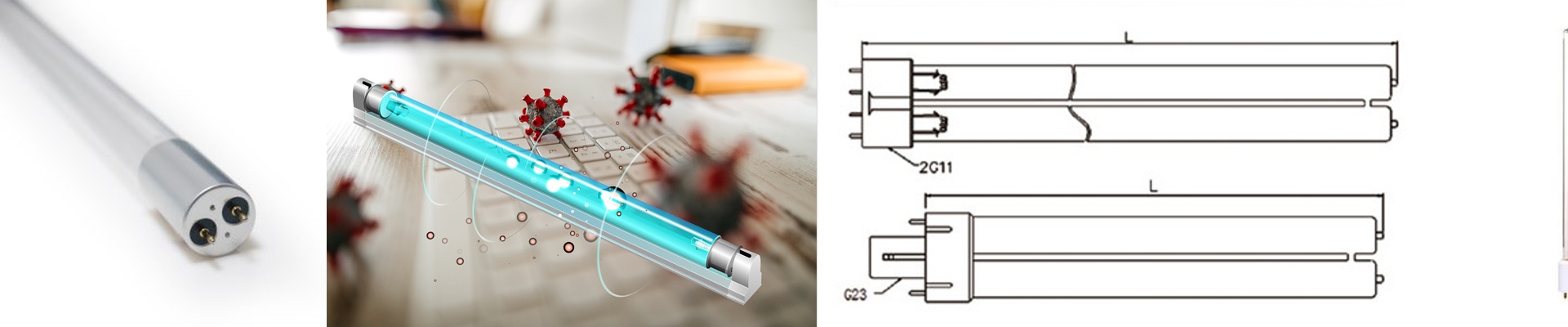
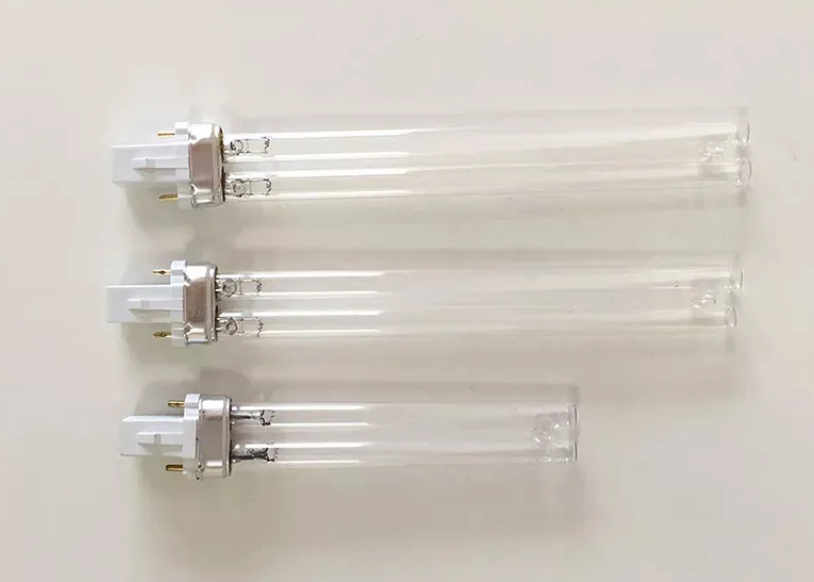
On the floor, a press is only as fast as the cure. If peak irradiance dips or the spectral profile wanders, the photoinitiators don’t cross-link cleanly. That’s when you see adhesion failures, tack, and scrap piling up. We built this industrial mercury UV bulb to keep the dose consistent, job after job. What matters is output you can measure and repeat. Our mercury vapor lamp holds a stable spectral output across the core UVA bands—365nm and 385nm—so it lines up with how common photoinitiators absorb in offset, flexo, and screen inks. The reflector geometry and dichroic coatings are tuned to push more energy density (mJ/cm²) onto the substrate while keeping temperature in check. Peak irradiance stays even across the arc length, so the first inch and the last inch cure the same. We design for long life: stable electrode seals and low sodium-loss quartz keep output steady over 5,000+ hours, with typical degradation under 5%. And here is why that matters. With better stability, you can run faster without chasing cure, and you cut make-ready waste. Less drift means fewer rejects and less rework. Longer lamp life lowers replacement frequency, so you carry fewer spares and get less downtime. Paired with efficient reflector performance, you end up using less energy per cured meter, which drops operating cost. A few practical notes. Make sure the fixture fits—check base dimensions, arc length, and connector type against your lamphouse. Keep the reflector in spec and aligned; a misaligned reflector will rob dose even if the bulb is fine. Use a calibrated spectral radiometer for monitoring, and replace on a planned schedule to maintain spectral consistency. If our custom bulb doesn’t deliver curing performance on par with major brands at the same price, we stand behind it with full compensation—because confidence, in this business, has to be backed by measurable results.