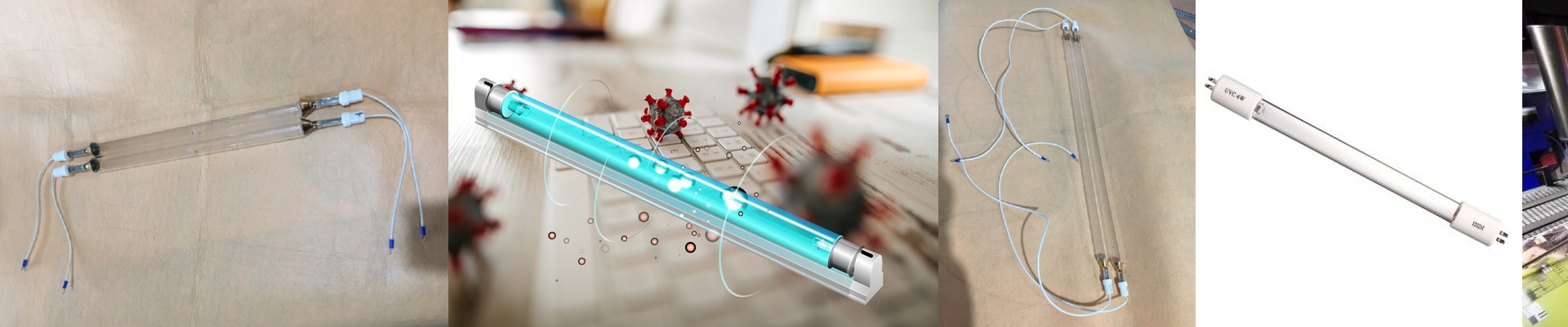
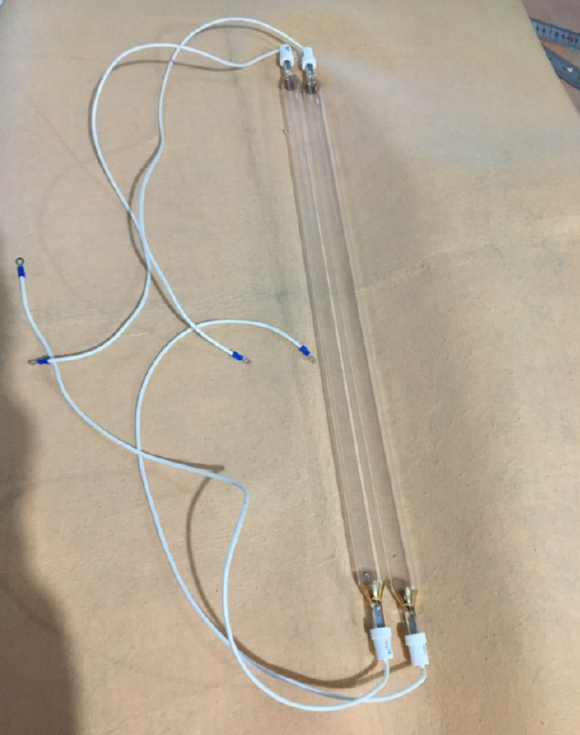
Top-tier streetwear shops don’t treat the UV lamp as an accessory. They treat the curing module as part of the color process. When the job calls for Pantone-level accuracy and deep pigment saturation on thick substrates, weak spectral output or uneven irradiance shows up as muddy midtones, inconsistent cure, and rework.
What matters under the hood
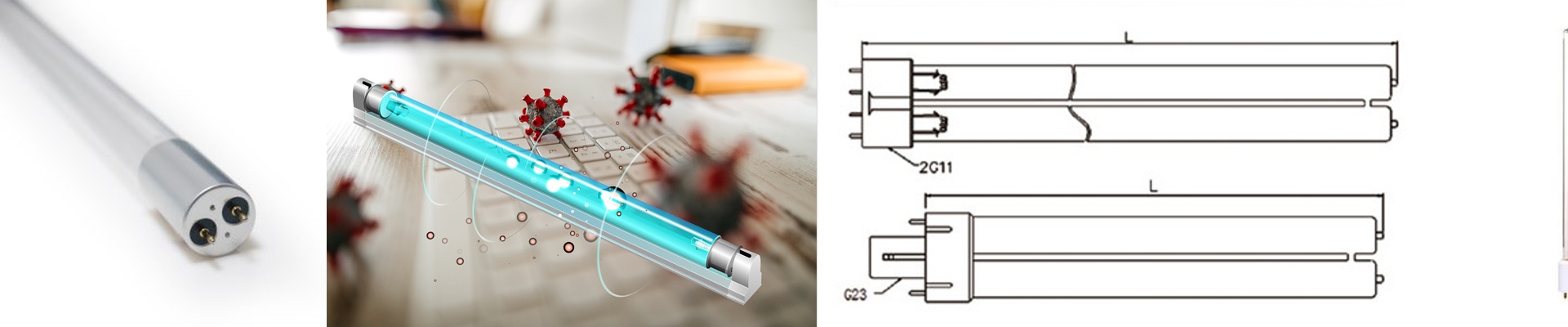
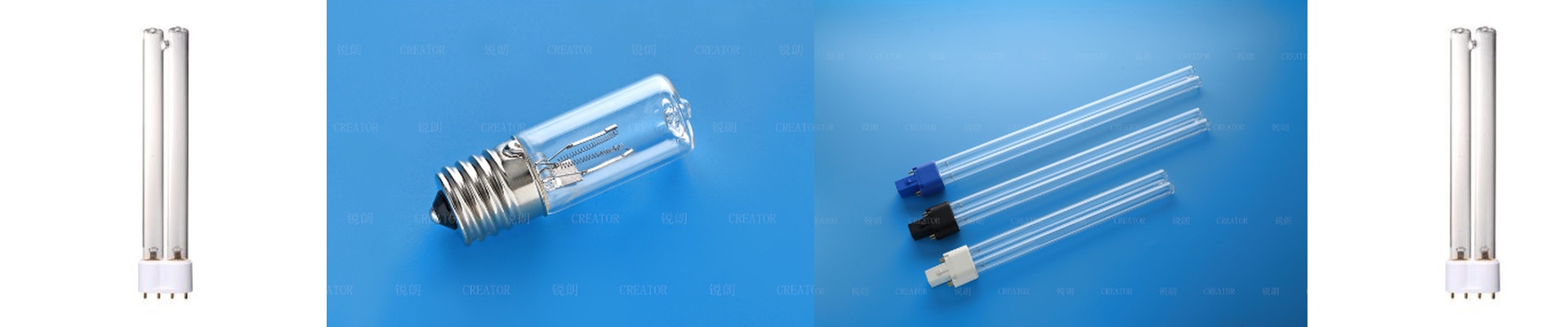
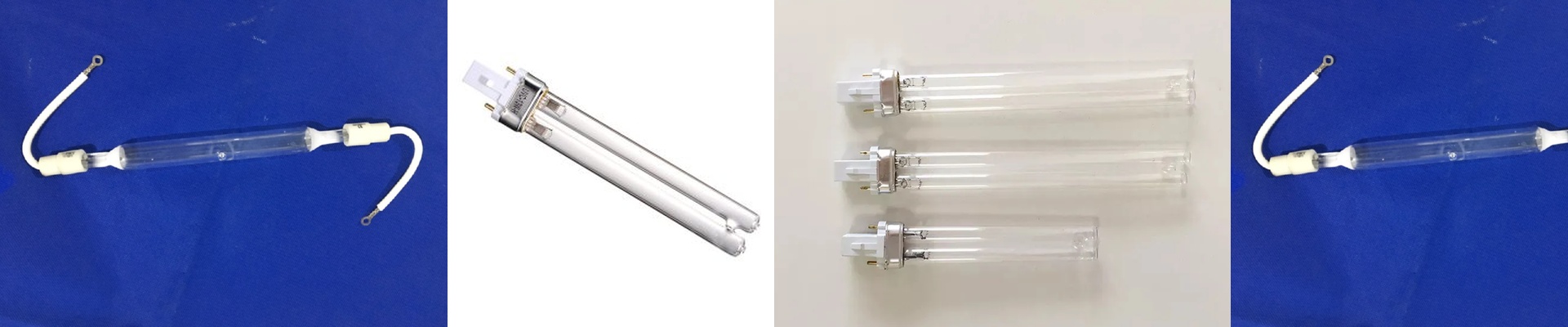
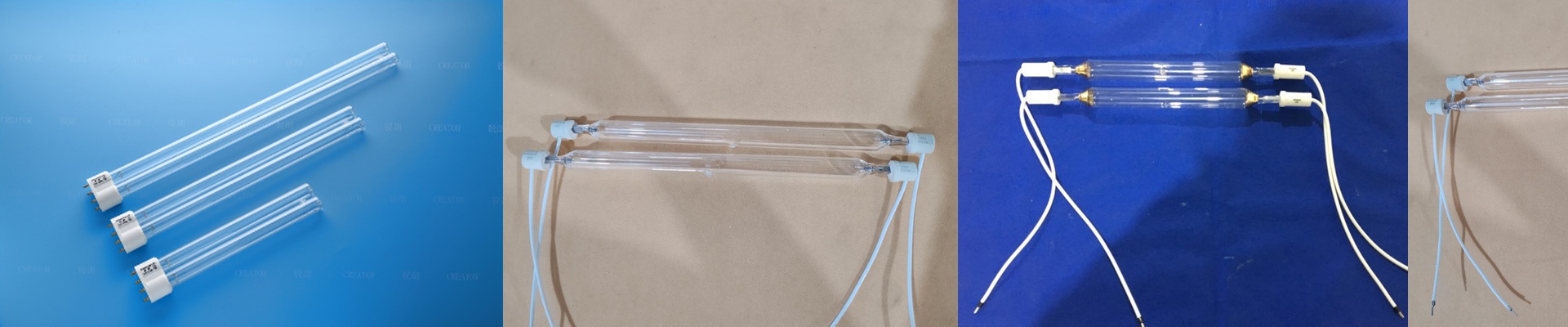
We build screen-printing UV lamps around a spectral profile matched to the photoinitiator absorption in thick ink films. High-pressure mercury vapor emission, concentrated at 365 nm and supported by 385–405 nm output, delivers the photon density needed to drive complete cross-linking through the full ink stack. Peak irradiance is tuned to clear the ink supplier’s minimum energy density (mJ/cm²) without scorching the surface. A dichroic-coated reflector array keeps intensity on-target and flattens the dose profile across the print width, so you don’t get edge-to-center swings. Ozone-free quartz envelopes and controlled operating temperatures protect sensitive substrates and keep lamp output stable across the maintenance cycle.
Why it lands on the shop floor
In premium apparel decoration, color integrity is the whole point. We stabilize cure energy so pigments hold their hue and density, and metamerism shifts under daylight and store lighting stay under control. You get repeatable color, faster throughput, and fewer rejects tied to undercure. Expect consistent output over 5,000+ hours with controlled degradation, so you can schedule jobs without chasing lamp-induced color drift.
The details that bite you if you ignore them
System performance depends on the whole optical train. Match the lamp’s spectral output to the ink’s photoinitiator package, verify reflector alignment, and confirm the substrate can handle the heat. When you run heat-sensitive synthetics, an external shutter and interlocks aren’t optional — they’re mandatory.