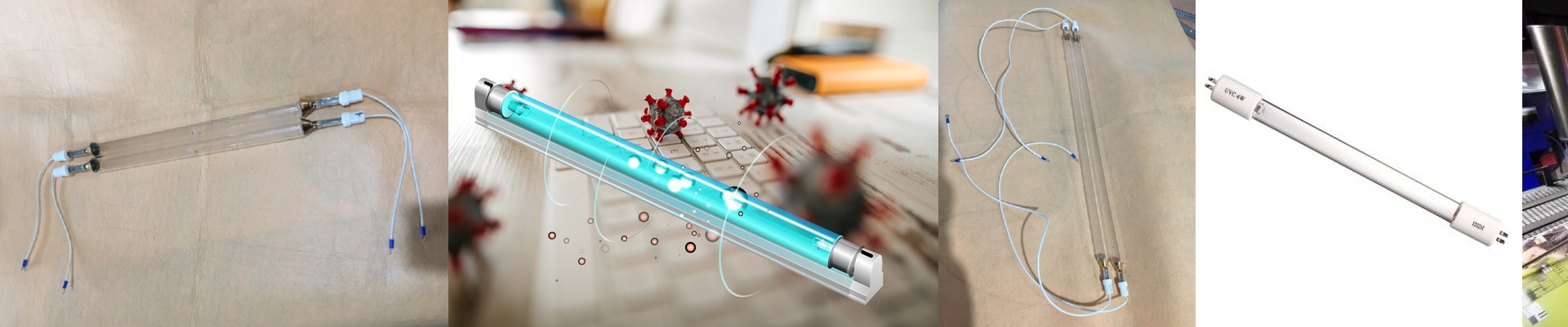
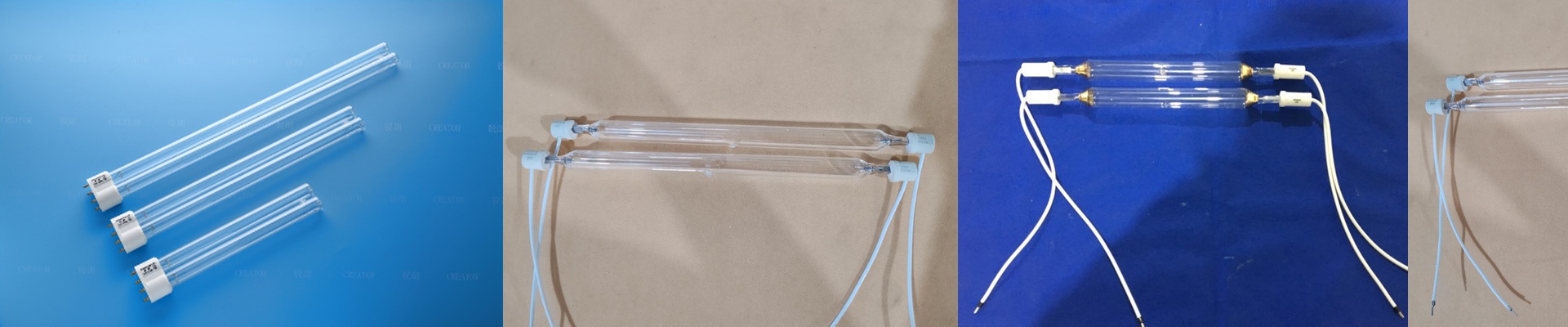
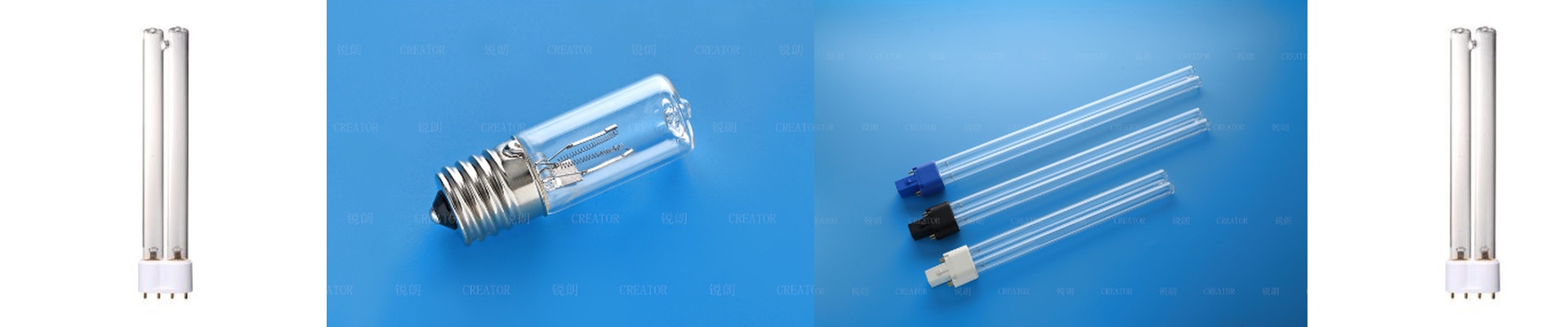
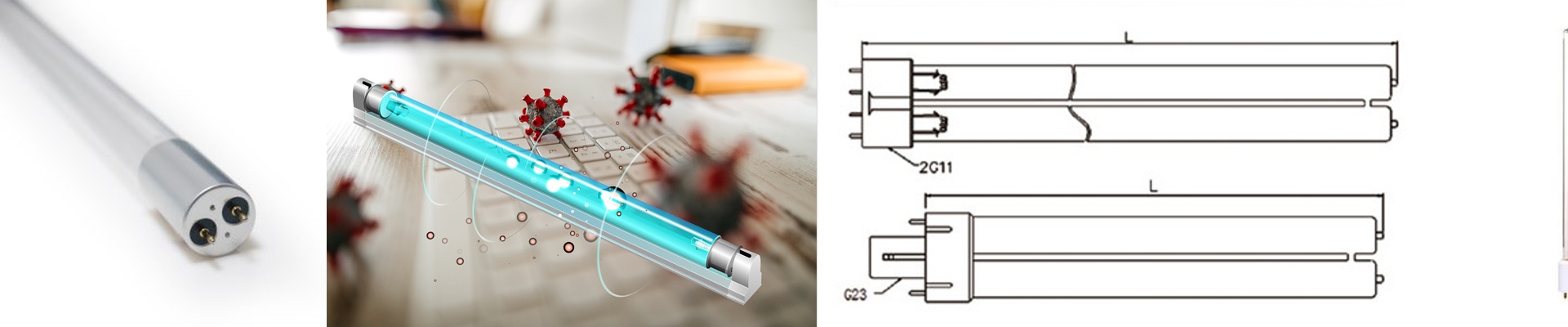
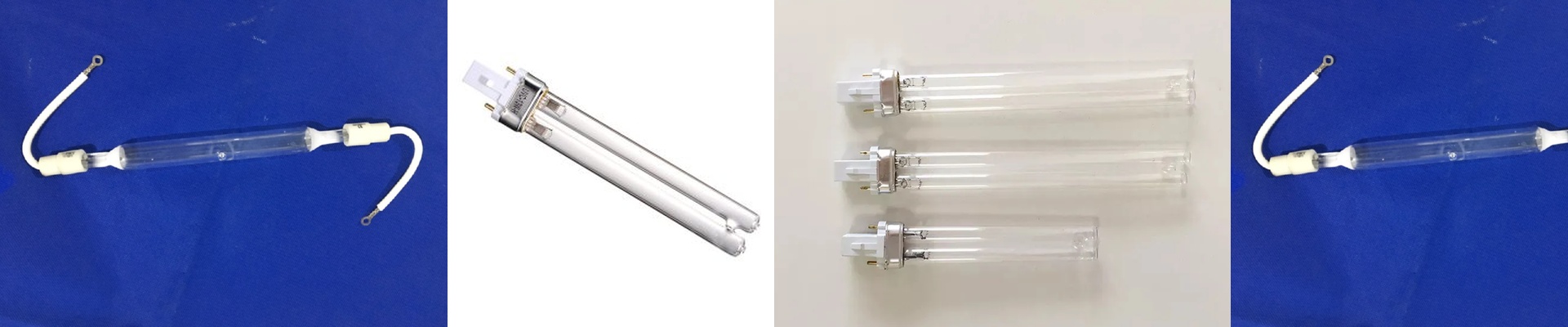
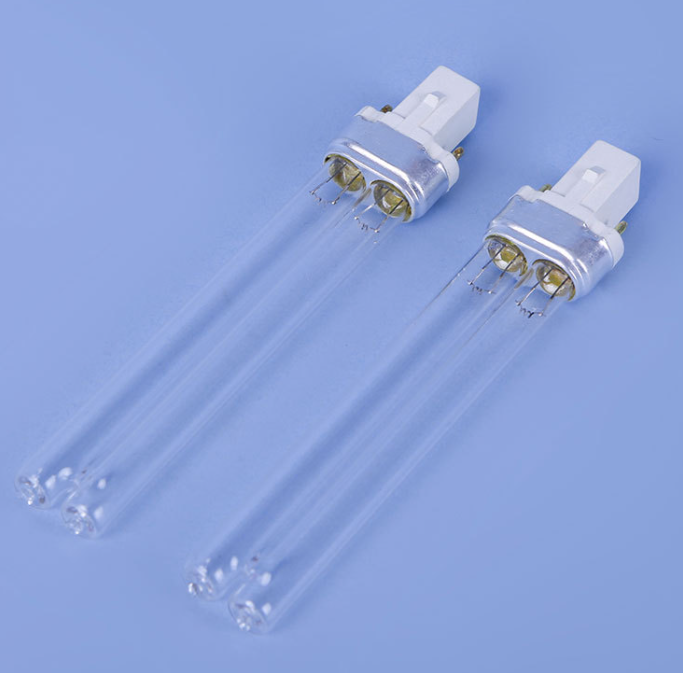
On the press floor, the instant that UV lamp fires up, the color temperature is your first readout. A pale, cool blue usually means a high mercury vapor fraction and a short-arc profile tuned for 365nm—enough punch to drive deep into pigmented inks. A warmer, pinkish cast points to a doped amalgam blend, pushing the spectrum toward 385nm or 405nm. That can be easier on thin substrates, and it still hits the photoinitiator absorption bands you need for cross-linking. Here’s the core of it: spectral output decides which photoinitiators get excited efficiently, and the lamp’s internal fill sets that spectrum. Pair the lamp with a reflector that’s got the right dichroic coating, and you shape the output into a beam with high peak irradiance and a uniform profile across the web. The payoff is predictable curing energy density—measured in mJ/cm²—so the ink surface cures without oxygen inhibition and the underlying layer fully cross-links. Stability over life matters, too. We’ve seen lamps hold ±5% light intensity for 5,000+ hours when the amalgam formulation and quartz purity are kept tight. Why does this matter in the pressroom? Match the lamp spectrum to your ink chemistry and you cut pinholes, adhesion issues, and cure-related setoff. You also trim energy use by running at the lowest setpoint that still gives full cross-linking, instead of throwing extra power at hot spots. When you’re installing, double-check connector type, arc length, and end-of-life (EOL) behavior against your ballast. Some setups need ozone-free quartz; others depend on specific warm-up curves to settle the spectral output. Match the lamp to the reflector geometry, and make sure your radiometer can actually read the wavelength bands that matter—otherwise, color temperature is just a guess.