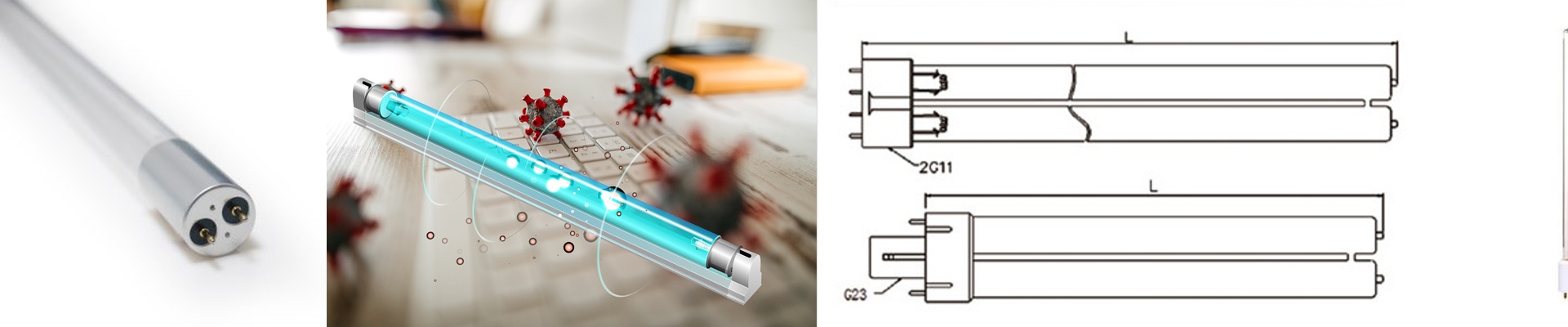
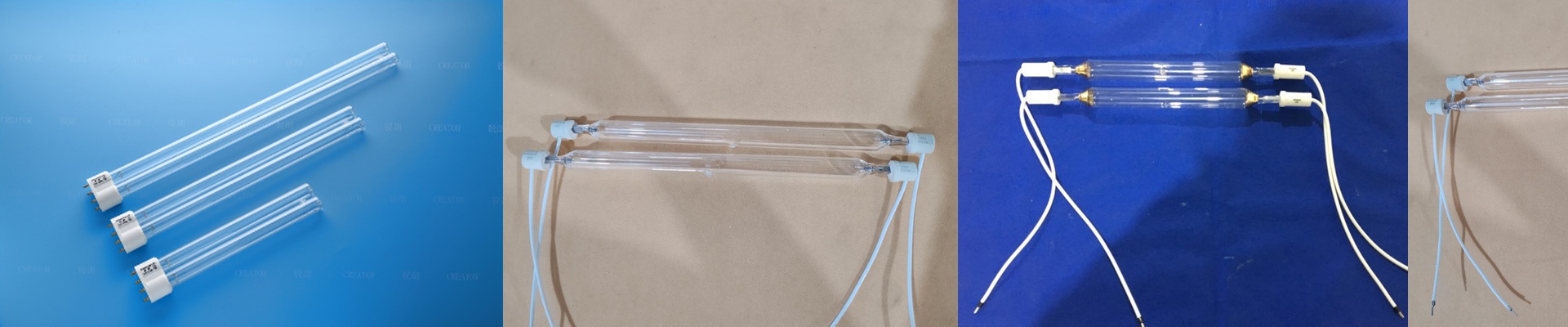
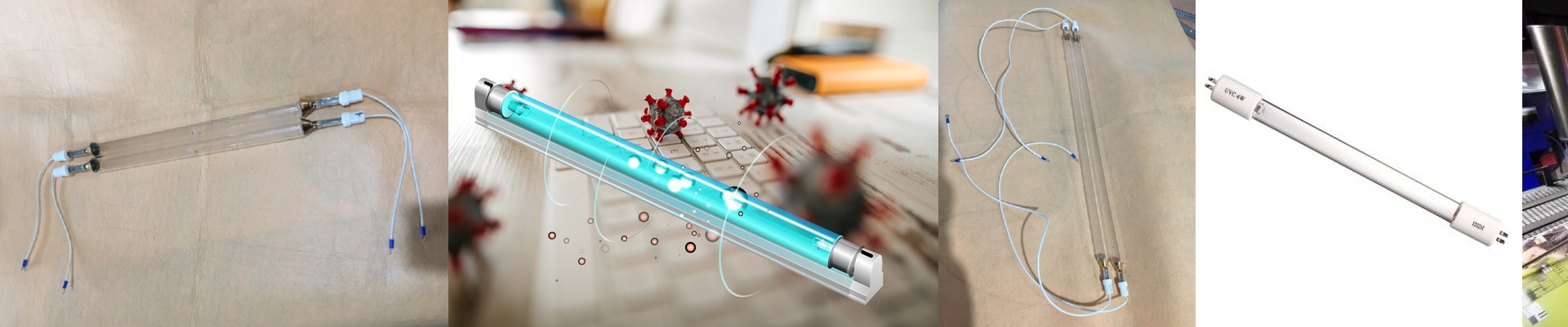
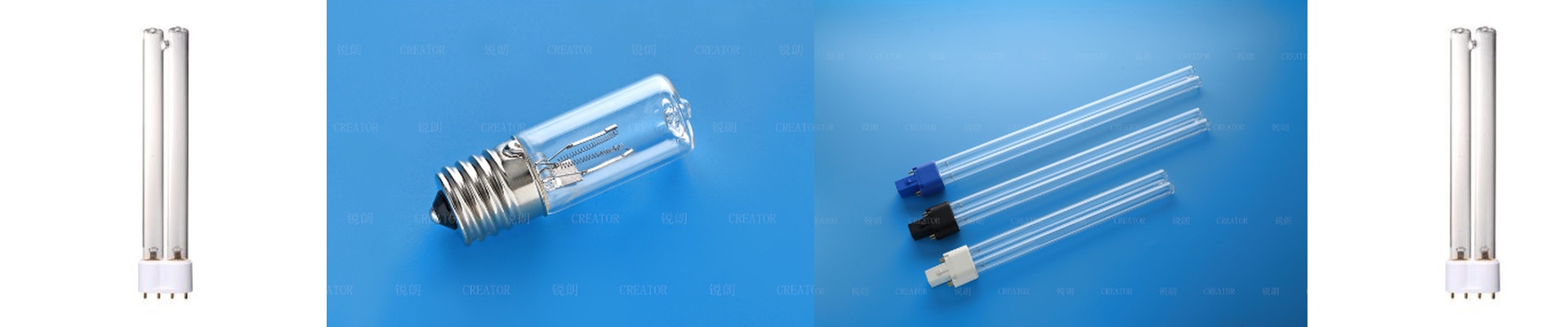
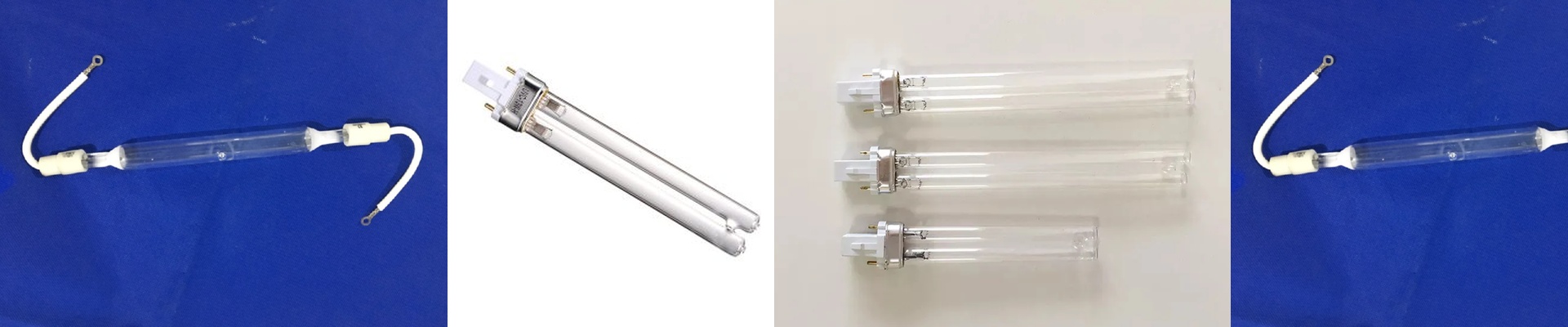
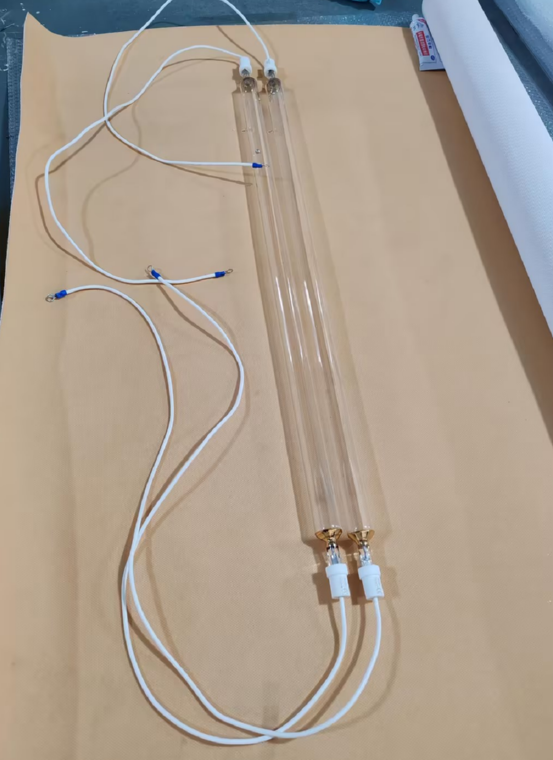
Out on the press, thick-layer screen or flexo jobs don’t usually fail because the ink is wrong. They fail at the cure. The bottom stays soft because the lamp can’t push enough photon flux through the top to finish the cross-linking. Then you’re dealing with ghosting, adhesion falling off, and anilox rolls getting blocked. What matters under the hood Our replacement gallium UV lamp is built around a high-intensity mercury-gallium amalgam arc, tuned so the dominant spectral output sits at 365 nm. That wavelength hits the photoinitiators in thick-layer inks where it counts—deep penetration without over-curing the surface. At the focal plane, you’re looking at peak irradiance above 2,000 mW/cm², and the energy density stays stable across the full arc length. The quartz envelope is doped to keep ozone down, and the dichroic reflector is set for narrow-band reflection, so you waste less IR and keep the spectrum clean. Why this works in real print Thick-layer printing needs energy that reaches the bottom, not just a high dose on top. With 365 nm penetration, the lamp drives photopolymerization from the substrate interface all the way up to the surface in one pass. That means you get instant curing that keeps the press running at full speed, and full cross-linking that kills blocking while improving scratch resistance. You can hold a consistent cure on build-ups up to 300 microns and beyond, without chasing lamp power or slowing the line. The practical details Installation has to match your reflector geometry and shutter clearance. We offer lamp-length and arc-length options to fit the common UV systems on the floor. Spectral output shifts as the lamp ages, so plan on recalibrating shutter speed and intensity around 800–1,000 hours to keep cure repeatability tight. And run at the lowest stable power setting—you’ll stretch lamp life and keep the heat off the substrate.