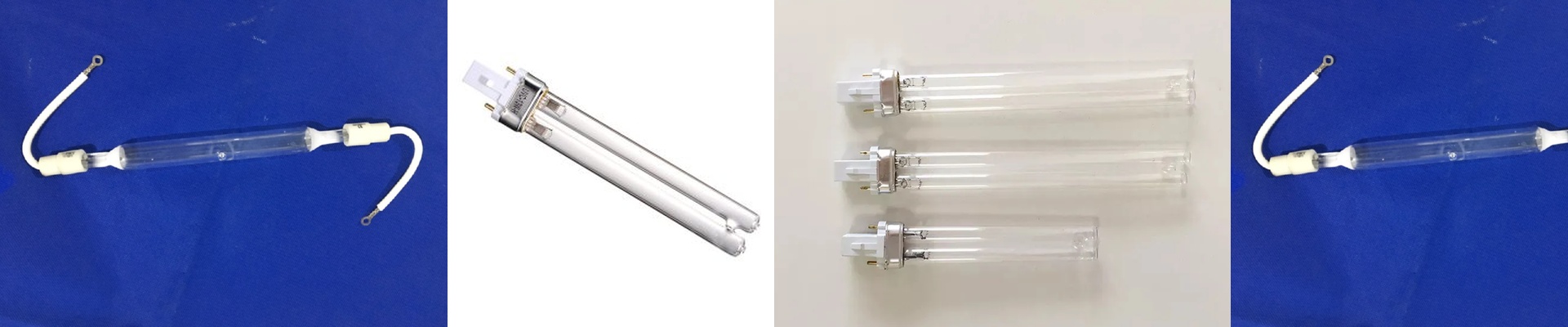
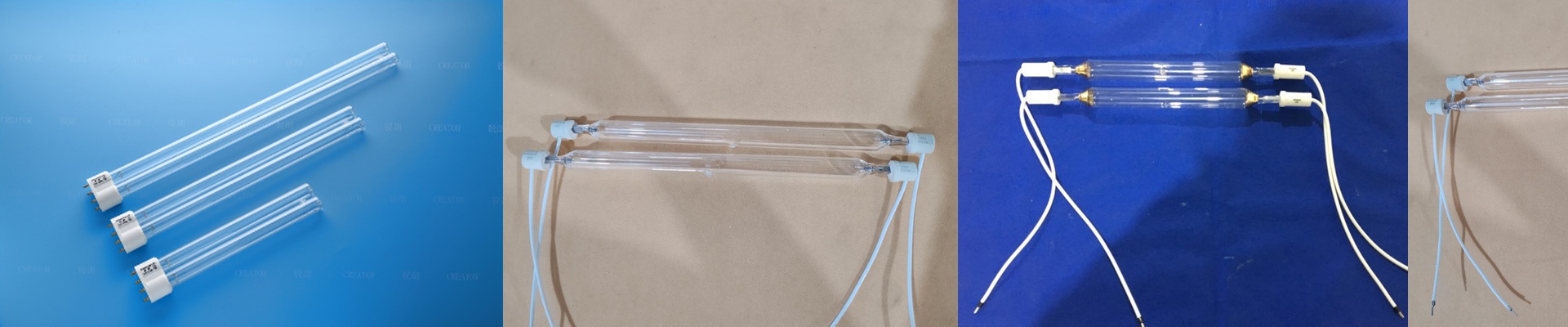
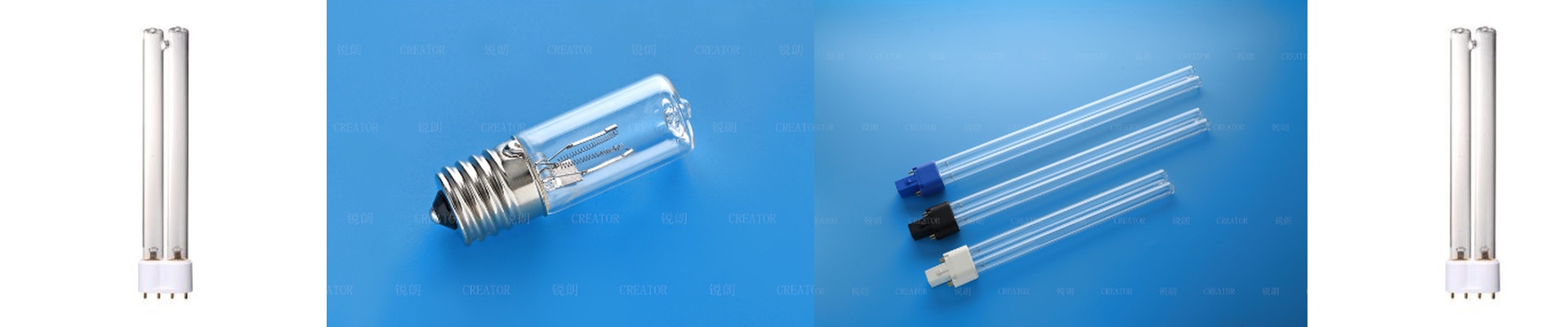
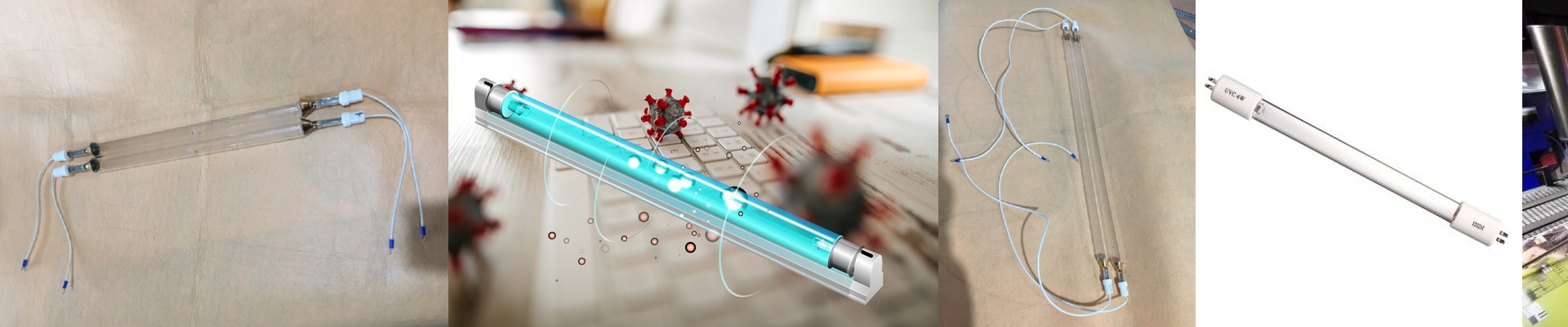
On the garment line, wash-cracking after laundering isn’t some mystery. It almost always comes down to under-cured ink. The photoinitiators didn’t get the photon flux they needed, so cross-linking never finished. If your UV lamp is putting out low peak irradiance or the wrong spectral distribution, the ink can feel dry on top while the cure depth stays shallow. That shows up fast—after the first wash, the print splits along stress lines. Here’s what matters technically. Emperor Aquatics UV lamps are built for industrial curing, where energy density and spectral control set your throughput and adhesion. We focus on the dominant mercury emission bands that actually drive photoinitiator cleavage, then tune the output with dichroic reflectors and stable arc control to keep irradiance consistent across the web. The lamp delivers the photon dose needed to penetrate the ink layer, not just flash the top. That gives you deeper cross-linking, stronger bond strength, and a cured film that holds up to flex and abrasion. Why this works in textile printing. Textile work needs a cure profile that locks pigments into the substrate without scorching the fabric. Emperor Aquatics gives you repeatable spectral output and stable lamp performance, so the same energy density lands shift after shift. You get better wash fastness because the ink cures through-and-through, and you cut rejects from under-cured edges and thick build-ups. In practice, that means fewer reprints, less downtime, and a process window you can actually count on. A few things to keep straight. Match the lamp to the ink chemistry and the printer’s reflector geometry. Output is sensitive to reflector alignment, lamp-to-substrate distance, and quartz tube temperature. Check cure with a radiometer—measure irradiance and total dose, not just how old the lamp is. Also confirm electrical compatibility at the fixture end; mismatched connectors and ballasts will cause misfiring and push the lamp into premature stress.