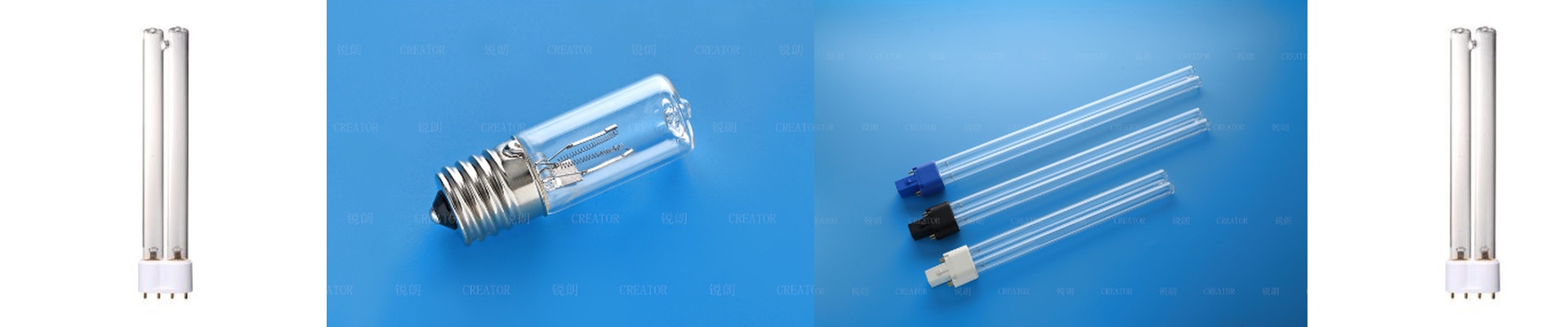
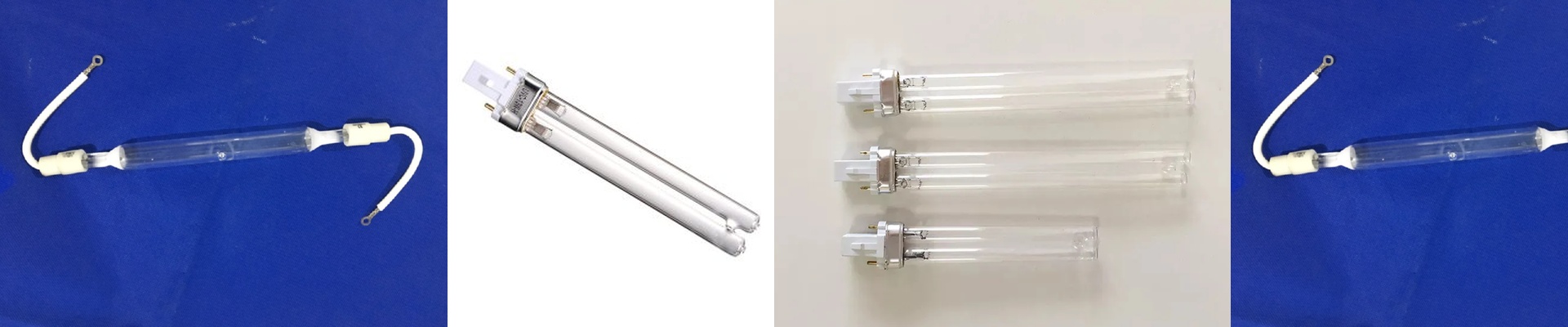
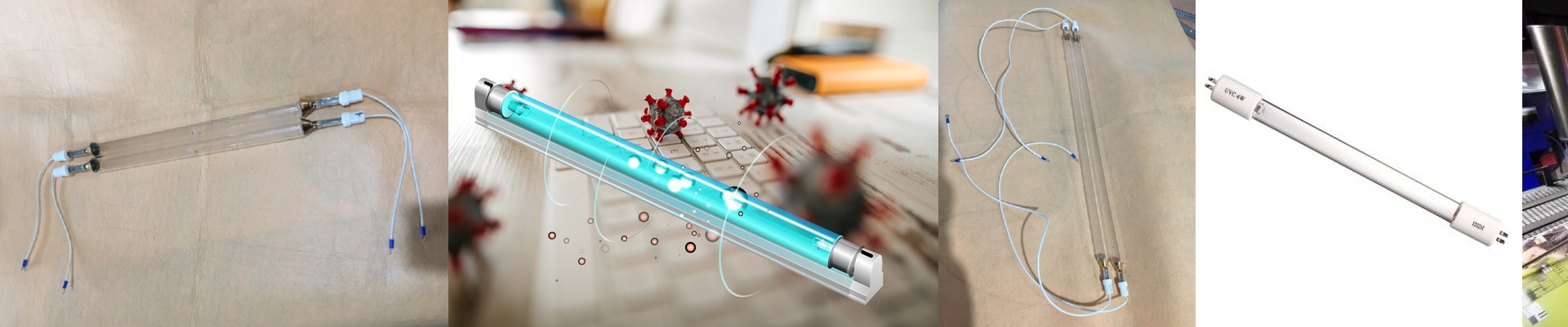
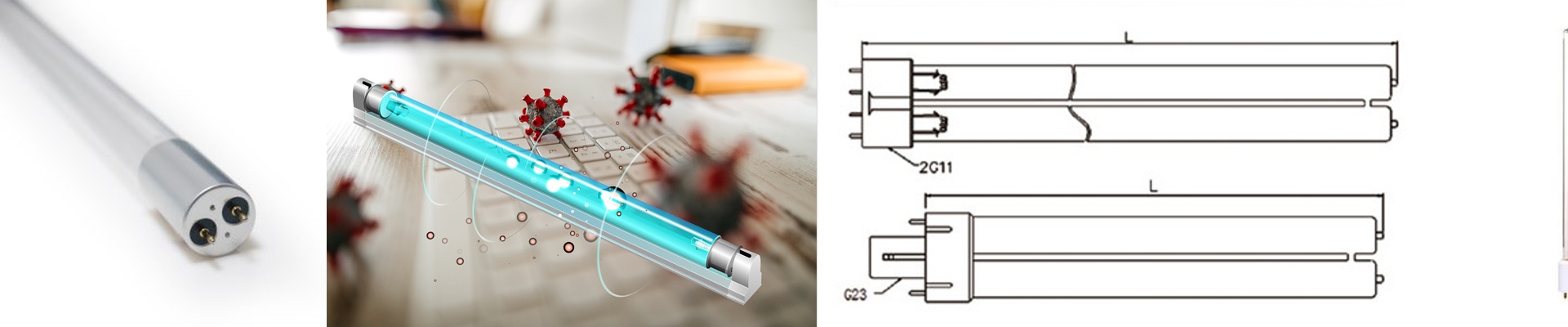
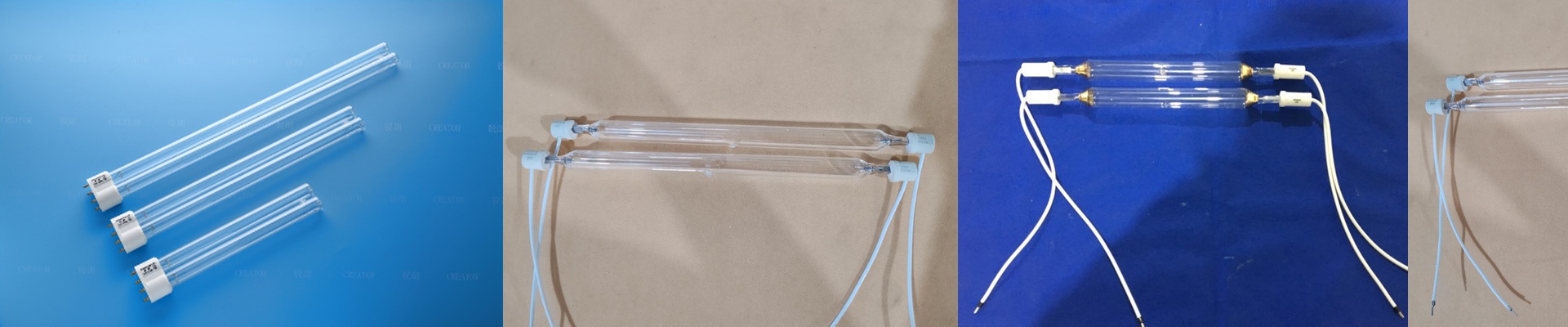
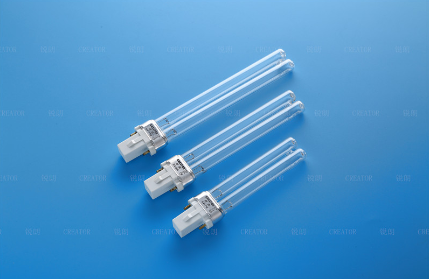
On the press floor, a lamp mismatch rarely shows up as a full-blown breakdown. It shows up as curing that drags, adhesion that slips on certain substrates, and color that drifts enough to force scrap and rework. After fifteen years tuning UV systems for industrial printing, we built our bulbs to stop that drift before it even gets started. What actually matters is spectral control and stability. Our UV germicidal and curing bulbs use high-purity quartz and mercury vapor chemistry tuned to hit the photoinitiator absorption bands in UV offset, flexo, and screen inks. You get stable output around 365nm and 254nm, with peak irradiance engineered for fast cross-linking and a consistent surface cure. A dichroic reflector focuses energy where it belongs—on the substrate—not into the frame. The payoff is higher effective dose at the print surface and less wasted heat. We call out lamp life in actual operating cycles, not marketing hours, and we measure output drop across the entire curve, not just at startup. Here’s the reality in UV curing: speed comes down to dose, and dose comes down to stable lamp output. Our bulbs deliver repeatable energy density (mJ/cm²) across the full width of the lamp, so you can run faster without chasing cure failures. Energy stays on target, so substrate temperature stays under control. That translates to fewer micro-cracks, better adhesion, and fewer interruptions for lamp changes. And we make the swaps practical: connector types and envelope dimensions are matched to common press platforms, so installation is straightforward. A few things to get right on the floor: Confirm your reflector geometry and arc length match the lamp. Mismatched reflectors waste energy and push hot spots. Check your power supply’s ignition voltage and current profile—wrong drive conditions will chew through electrodes early. Handle bulbs with clean gloves. Skin oils create hot spots that shorten life. For ozone-free operation, use the specified ozone-free quartz envelope, and make sure your ducting and cooling keep chamber temperatures stable.