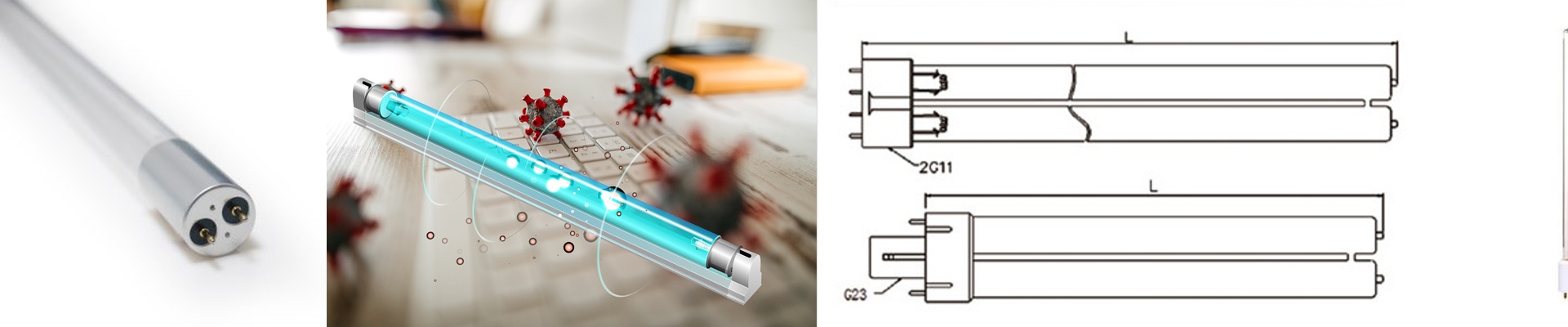
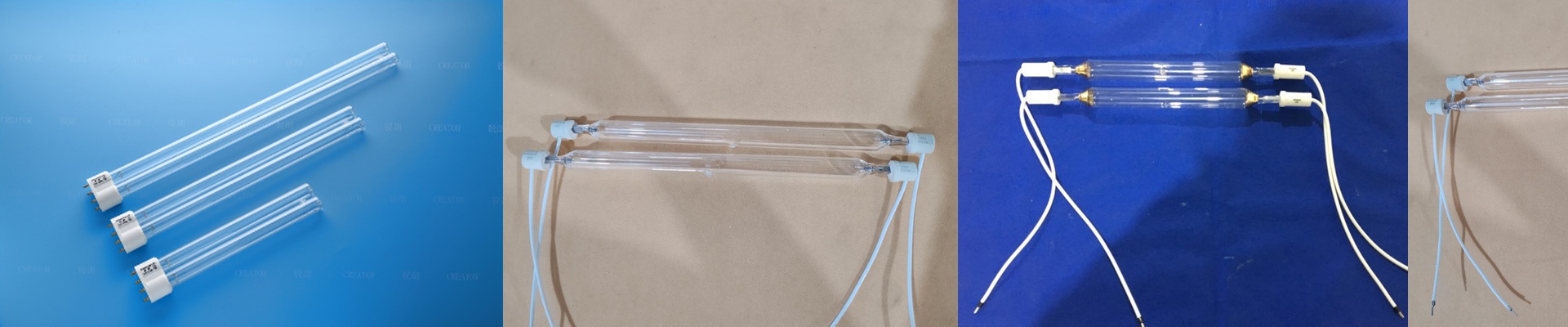
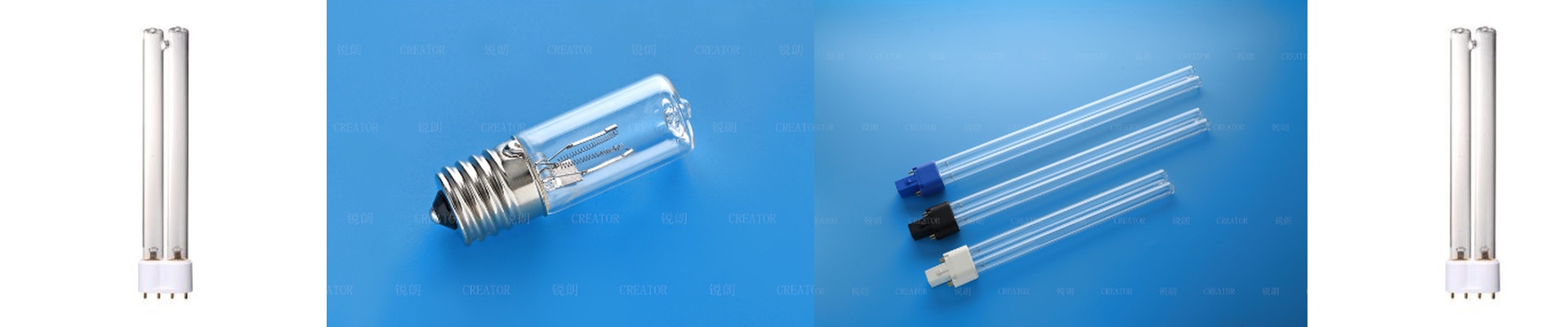
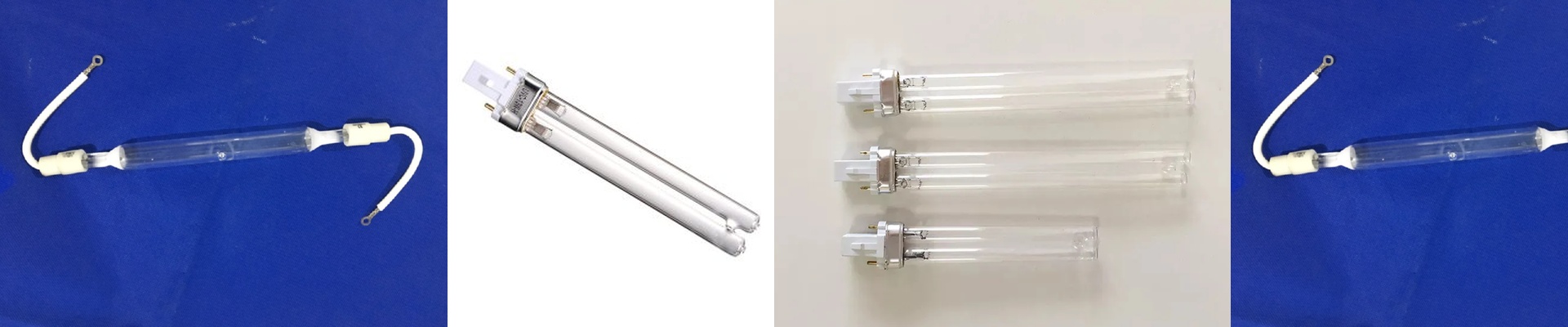
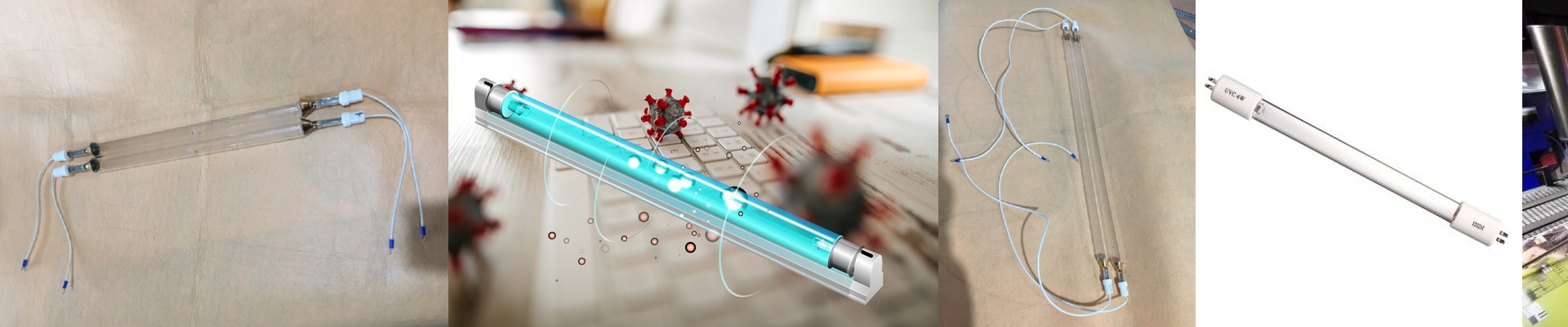
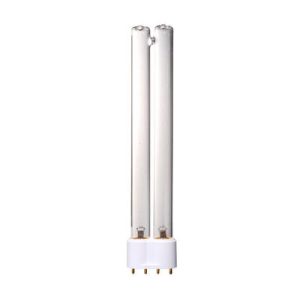
On the press floor, downtime is money, and wasted energy is money. When UV lamps lose their punch early, you end up chasing cure by cranking the power, slowing the line, and writing off replacements sooner than you should. The quickest way to cut cost per sheet is to swap in a Sylvania UV lamp built for long life and minimal spectral drop. What matters, technically You have to line up the lamp spectrum with the ink’s photoinitiator. Hit 365 nm for deep-cure inks, and 385–405 nm for formulations that play nice with LED. Peak irradiance and delivered energy density (mJ/cm²) need to land in the cure window without cooking the substrate. Sylvania mercury vapor lamps hold output steady across their life—less than 5% drop at 5,000+ hours in standard setups. Choose reflectors and dichroic coatings to squeeze out usable UV, keep IR heat off the substrate, and keep ozone generation low. Why this matters on press In offset, you need cure across the whole sheet and dot gain that stays put. A stable lamp keeps the cure profile consistent, run after run. In flexo, the lamp has to cure thin films without scorching; lower IR and controlled spectral output protect those polymer layers. In screen, thick deposits need high peak irradiance to drive cross-linking through the ink stack. Fewer lamp swaps mean fewer stops, less labor, smaller spares inventory, and real energy savings. Here are the practical details that keep you out of trouble. Match the lamp to the fixture: arc length, wattage, base, and connector have to line up with the reflector and ballast you’re running. Check reflector condition and cleanliness—output tanks when reflectors oxidize or get coated. If you’re in an ozone-sensitive area, spec ozone-free versions or set up proper exhaust routing. And confirm the lamp fits your press model and cure station geometry; the wrong arc length or spectral output will undercut even the best lamp.