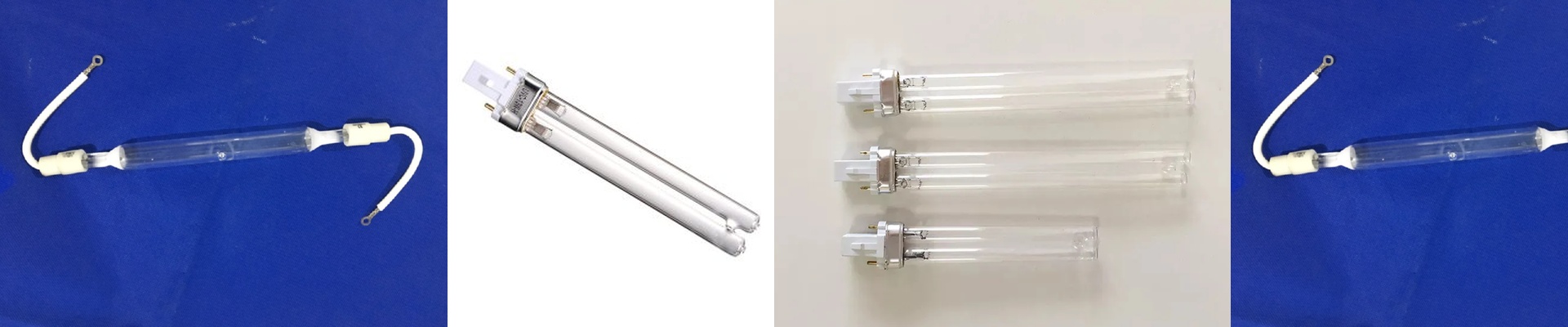
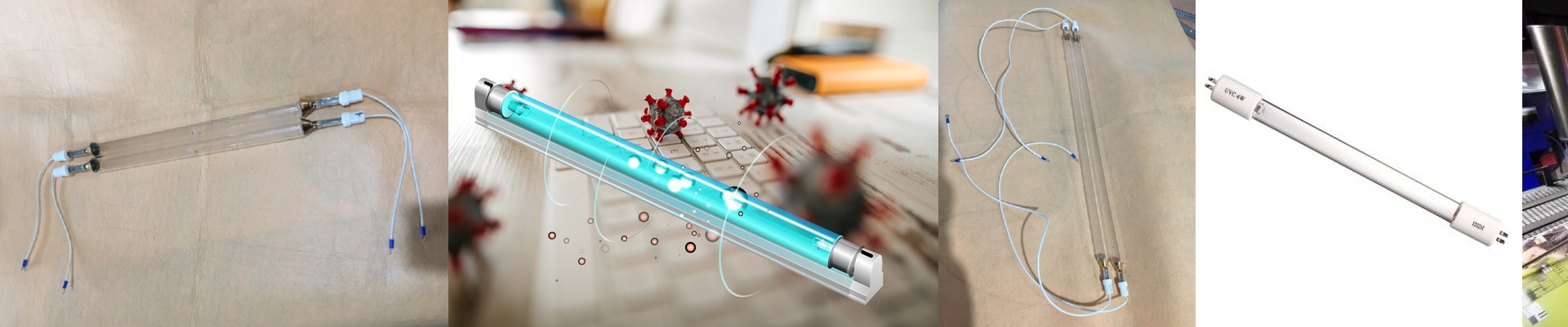
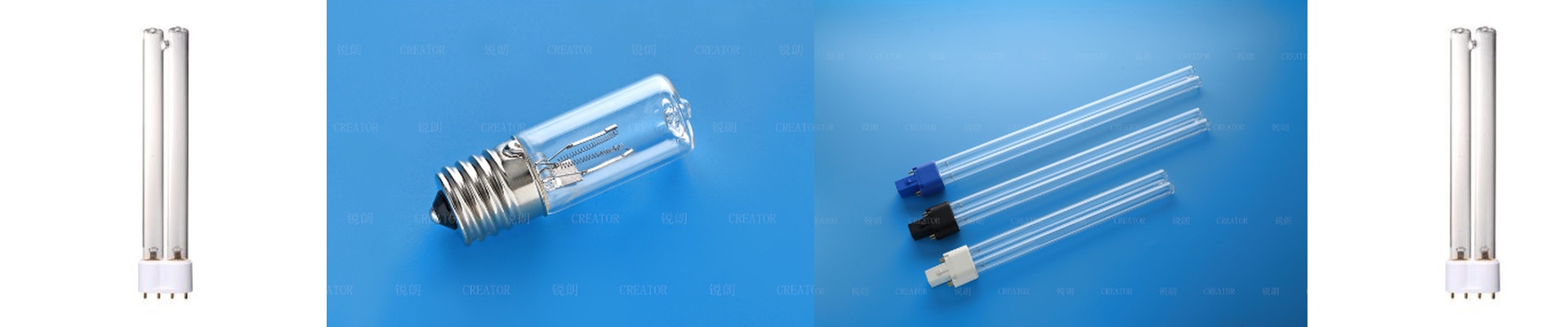
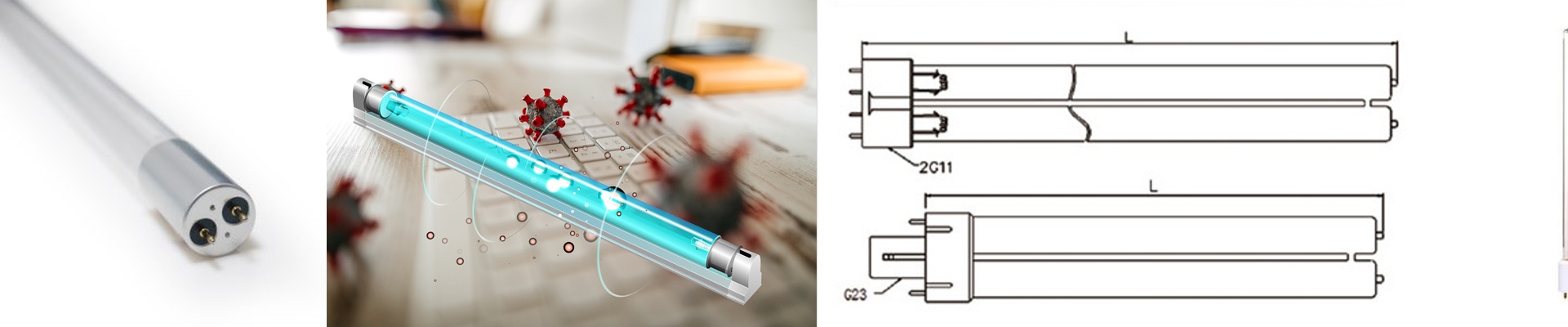
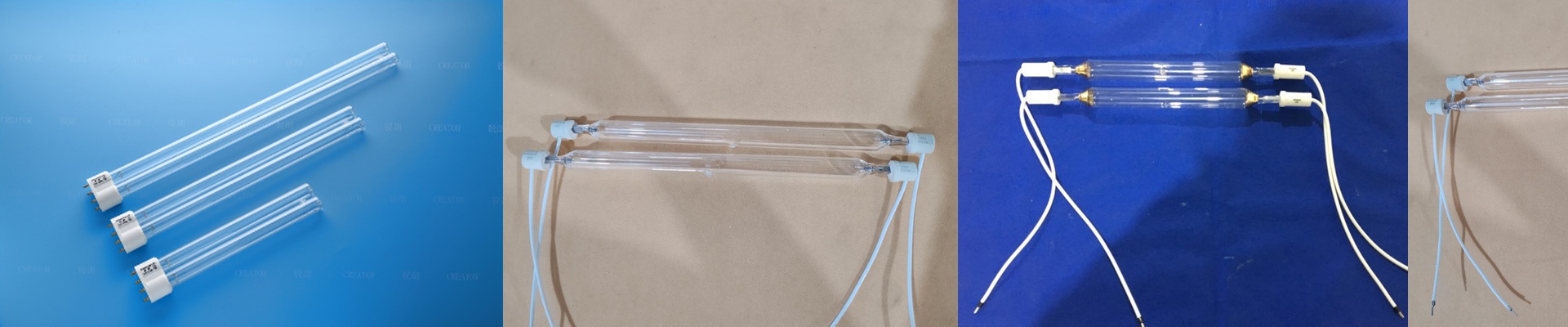
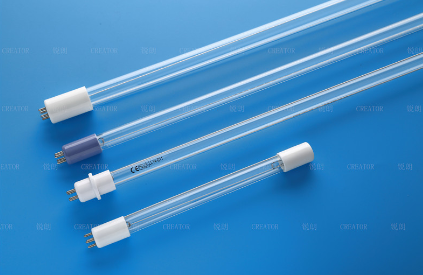
Fifteen years in the field—tightening up lamp chemistry and chasing real-world results—have moved our high-power gallium UV emitters from the background to the front lines of brand-critical work. Out on the press floor, the failure usually isn’t the ink. It’s the energy that never makes it to the ink. Under-cured dots, adhesion slipping on coated stocks, web heat building up—nearly all of it comes back to spectral mismatch and irradiance that isn’t stable. What matters, technically Our gallium emitter puts output where photoinitiators actually absorb it: dominant wavelengths at 365nm and 395nm, with a tight spectral bandwidth. Peak irradiance hits 12–15 W/cm² at the substrate, so you cure at full rated press speed without solvent flash or oxygen inhibition. Reflectors use high-purity anodized aluminum with dichroic coatings, so more photon flux lands on the sheet and less turns into waste heat. And because it’s ozone-free, the curing zone stays cleaner, you spend less time on ozone scrubber maintenance, and compliance is simpler. Why it works where you run it In offset, the emitter runs cool and stays spectrally on target, so you protect blanket life and avoid set-off while still fully curing hybrid and LED-compatible formulations. In flexo and screen, that high peak irradiance locks down thick ink films and heavy pigment loads, sharpening dot definition and boosting scratch resistance. You see faster makereadies, fewer rejects, and MFD that holds steady shift after shift. And because the system cures at full speed without overdriving the lamp, energy use drops. The things you really need to know Matching the emitter to the press isn’t optional. Offset units need a stable, reflector-controlled arc length and shutter interfaces that behave. Flexo and screen lines often need higher irradiance and air-cooled lampheads with tight focal tolerances. Confirm lamp length, reflector profile, and connector interface against your machine model. Then verify your power supply can hold the required arc current without droop. Plan cooling flow and substrate distance properly. If you push beyond the designed thermal window, lamp life shortens and spectral output drifts.