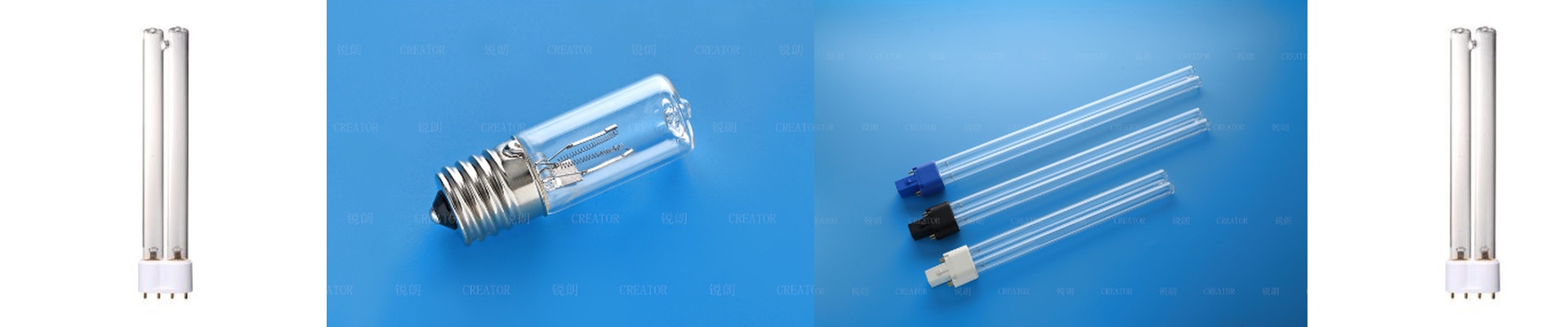
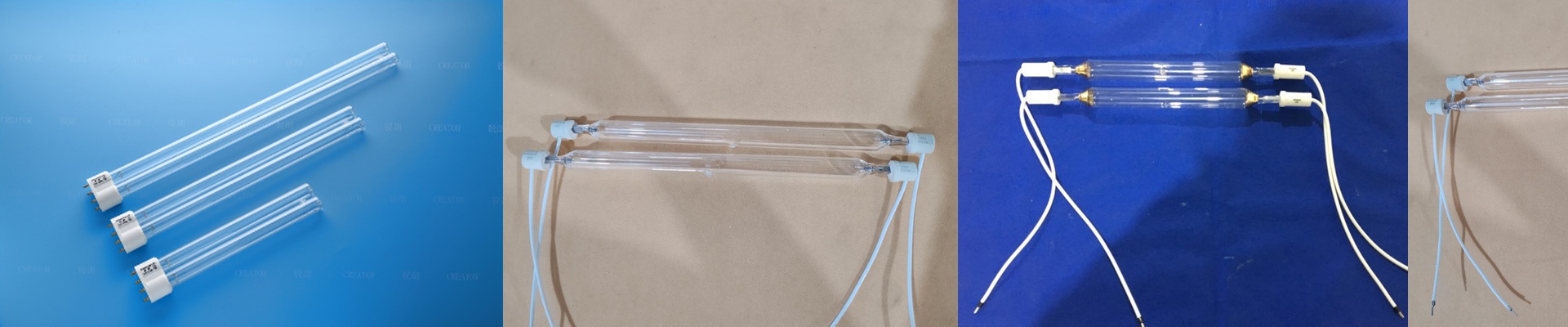
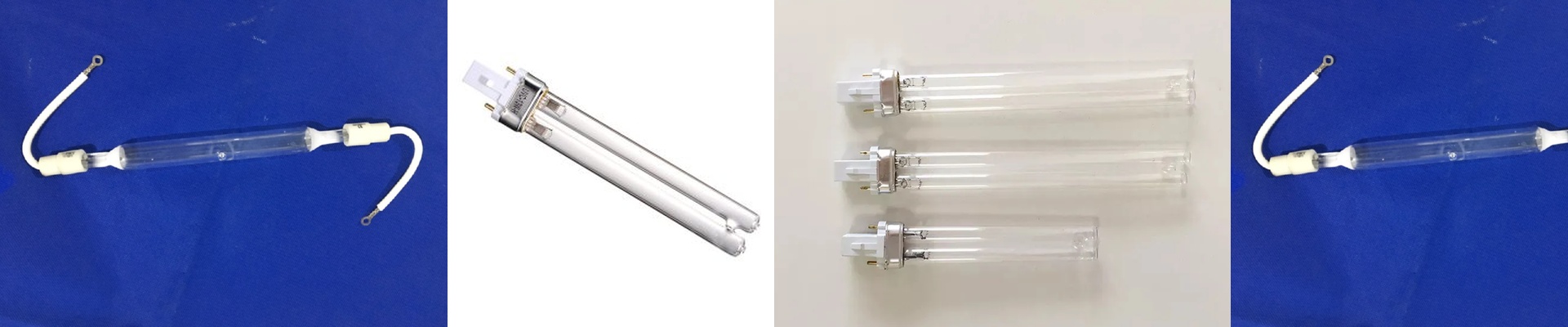
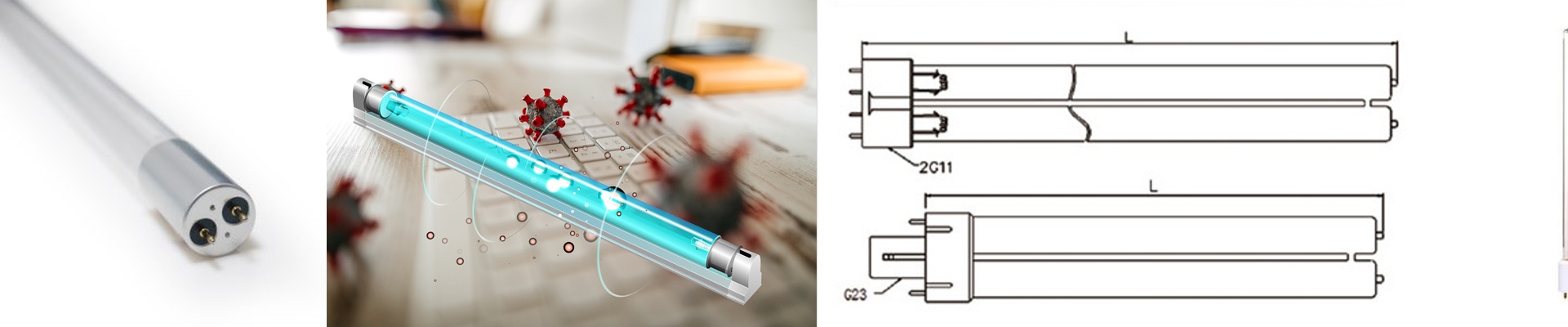
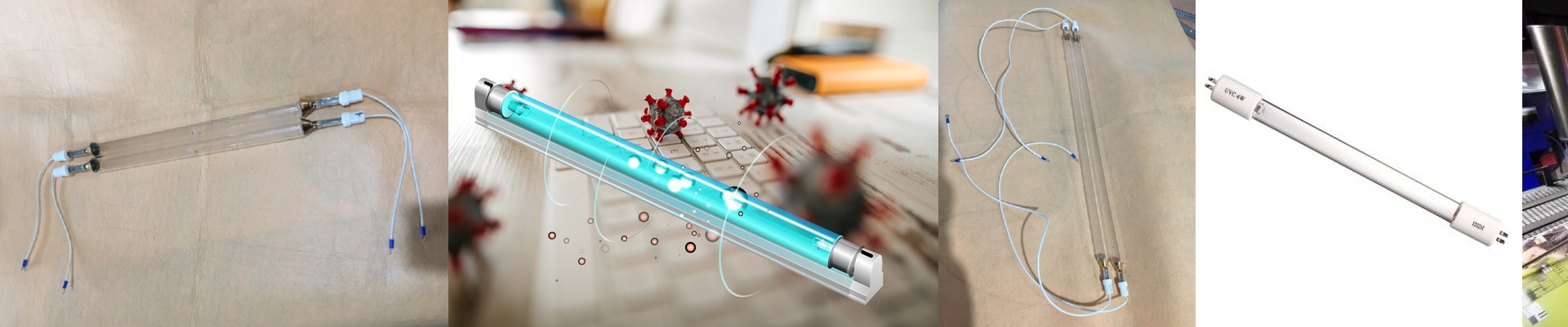
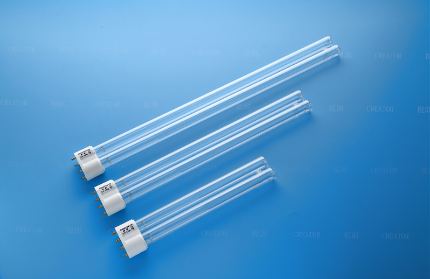
On the press floor, those darkened ends on the lamp aren’t just a cosmetic issue. They’re a clear warning sign that your mercury-vapor output is drifting. Hit the lamp with frequent ignitions and mismatched ballast settings, and you accelerate electrode erosion. That shifts the spectral output and chips away at peak irradiance. The result is inconsistent cross-linking, slower line speeds, and more scrap on the floor. What matters under the hood A Lifegard replacement lamp is built around a stable mercury vapor discharge at 365nm—the dominant wavelength for most UV offset, flexo, and screen inks. We match the arc length and power density to the reflector geometry and the energy density (mJ/cm²) needed to fully convert the photoinitiator. You get consistent spectral output, tight control at end-of-life, and stable irradiance across the entire curing window. Peak irradiance stays put, so cure speed doesn’t fall apart as the lamp ages. Why it holds up in real production When lamp ends go black, you’re losing output right where you need it—at the substrate. A properly matched Lifegard replacement puts the dose back where it belongs, so you can run the press at design speed instead of trying to chase cure at the edges. Adhesion stays repeatable, pinholes drop, and rejects fall off. Energy use per cured sheet goes down because the reflector and lamp are a matched set, delivering the required photon flux instead of making up for it with longer exposure. A few shop-floor pointers Installation is straightforward, but compatibility isn’t universal. Double-check arc length, wattage, base type, and whether your fixture needs an ozone-free lamp. The ballast has to match the lamp’s ignition and operating parameters—wrong settings will push the lamp right back into premature end-blackening. And don’t overlook the reflector. Even the best lamp will underperform behind a degraded reflector or one that’s out of alignment.