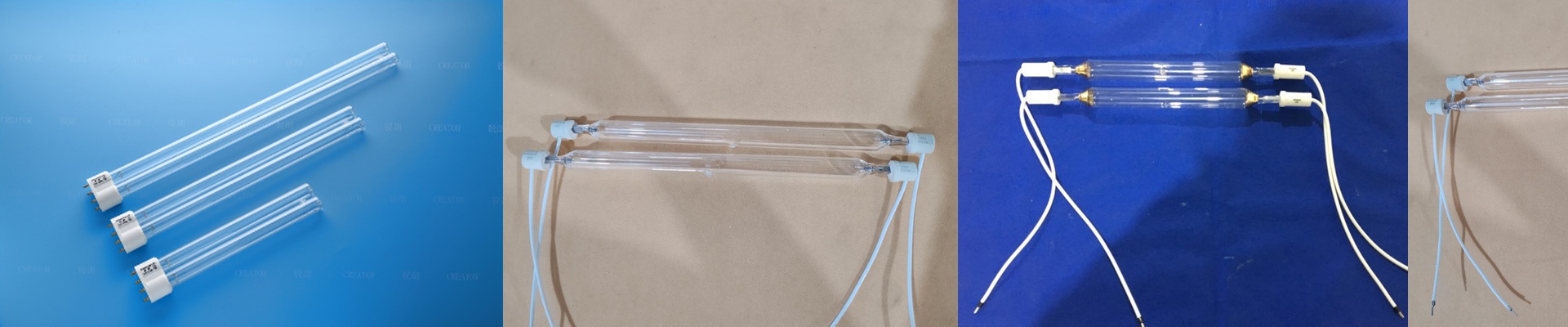
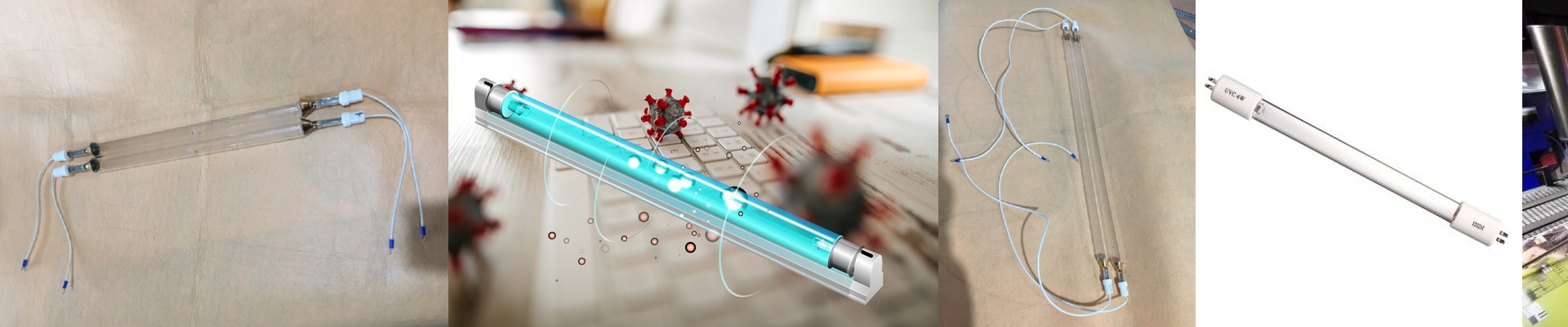
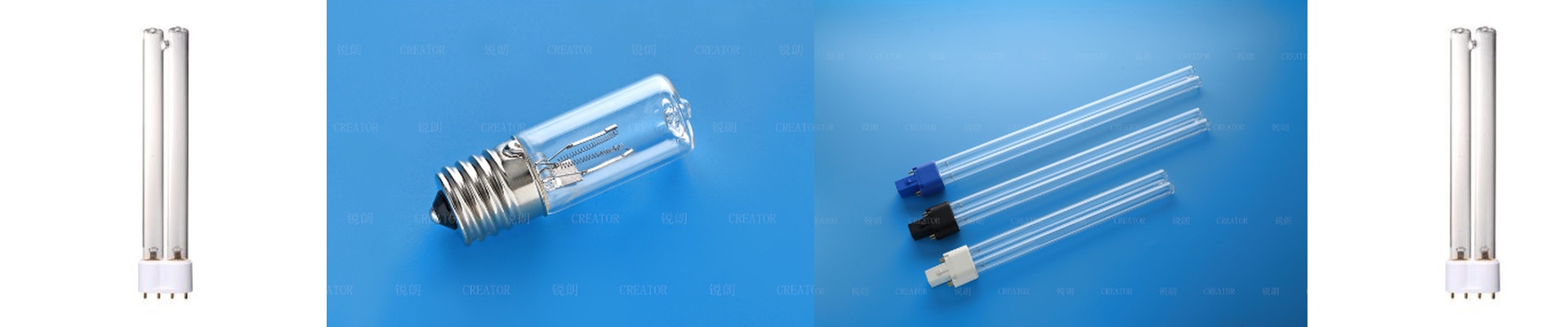
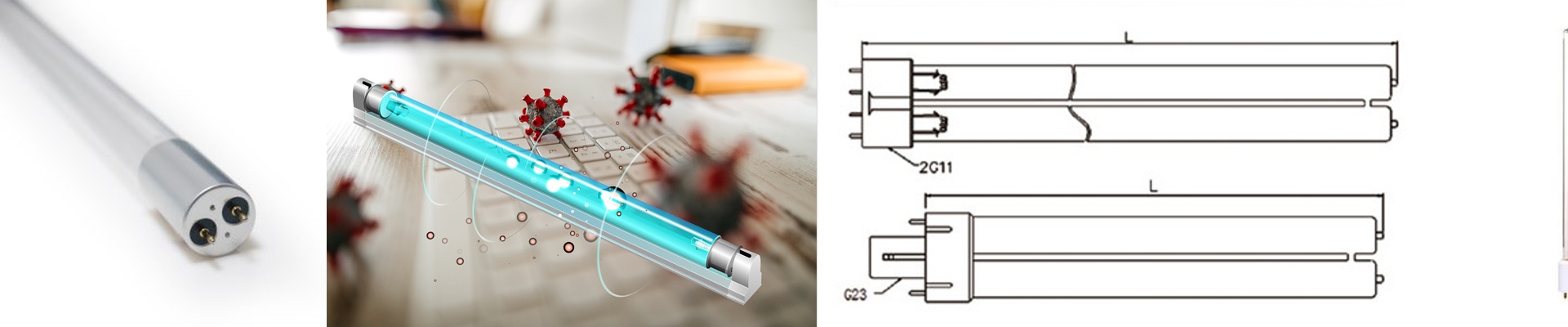
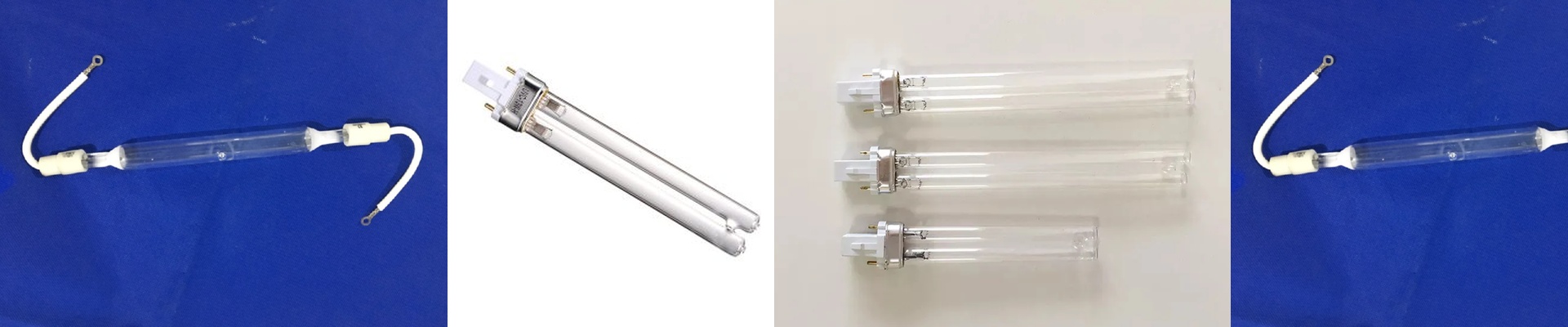
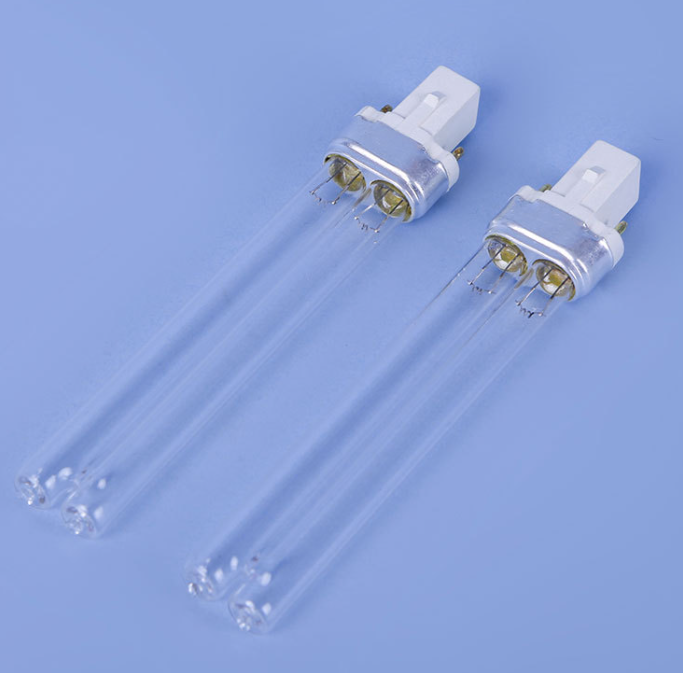
On a press that’s running 300,000+ impressions per shift, the curing window isn’t a nice-to-have—it’s the bottleneck. When you need fast flash drying without heat soak, the lamp’s cathode design is what ends up holding you back. A dimmable UV curing lamp built around a low-thermal-inertia cathode gives you the repeatable ignition and spectral stability you need to survive hundreds of thousands of quick flash cycles. Here’s what actually matters: control and stability. The cathode geometry is engineered for low thermal mass, so it heats and cools fast between flashes. That keeps the arc path stable and minimizes drift across the 365nm, 385nm, and 405nm bands. Peak irradiance holds steady shot-to-shot, so the energy density hitting the ink layer—measured in mJ/cm²—repeats within tight tolerances. Dimming lets you match power to the photoinitiator response and substrate sensitivity without overdriving the lamp or the reflector assembly. In high-cycle flash curing, fatigue is the enemy. Cathode structures with anti-fatigue engineering resist the mechanical and thermal cycling that chews up emitters and creates ignition variability. You get consistent lamp life, predictable output curves, and fewer surprise stops. That translates to faster makereadies, less waste from marginal cure, and lower energy draw during standby or low-power runs. A couple of practical notes: dimmable operation means the driver has to be matched to the lamp’s arc characteristics, and the reflector needs to be optimized for the spectral band you’re running. Expect tighter thermal management around the lamp ends and connector interfaces—keep airflow consistent and verify connector temperature limits. Compatibility with your press controller and interlock logic is mandatory; confirm voltage, connector type, and safety interlocks before you integrate.