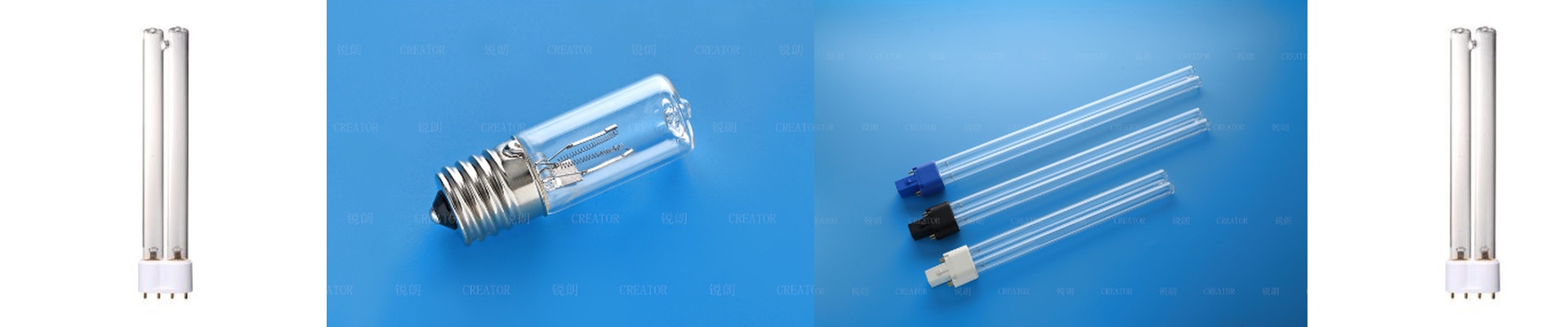
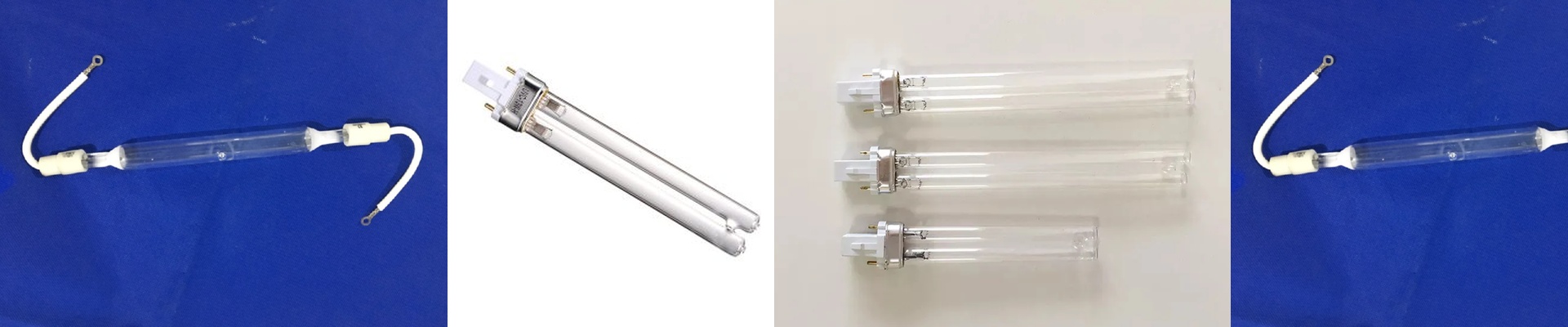
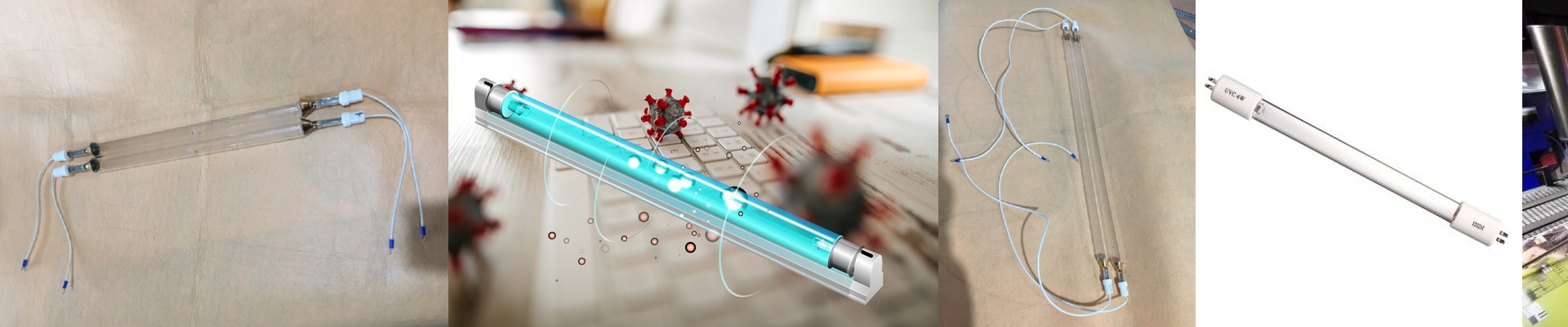
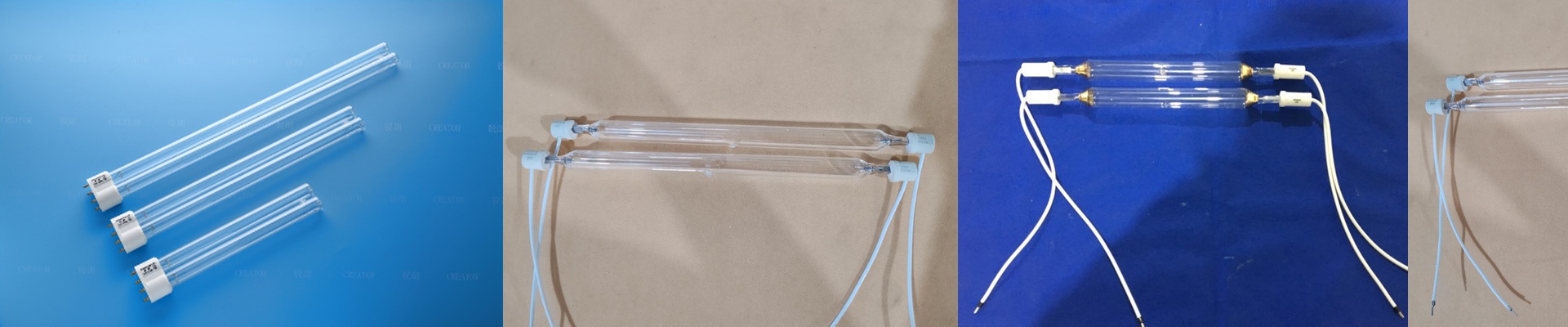
On the press, anti-counterfeiting jobs fall apart when the spectral envelope is too wide. Excitation peaks get smeared, the latent features don’t show, and the verification line starts kicking out rejects. What you need is a lamp that gives you a tight, repeatable output band—so the photoinitiator in those special inks cures exactly where and how it should. Here’s what actually matters on the technical side: spectral output and stability. Our high-spectral-purity UV lamp packs the energy around 365 nm with a narrow FWHM. A tailored dichroic reflector and an ozone-free quartz envelope keep stray wavelengths out of the mix. That gives you a predictable photon flux at the substrate, hitting the required energy density (mJ/cm²) for controlled cross-linking without overcuring the background. Peak irradiance holds steady across the cure window, and output drift stays under 5% over 5,000+ hours—so your setpoints don’t wander during long runs. Why it works in practice is straightforward. Anti-counterfeiting inks depend on precise excitation to make those hidden marks show up under inspection. A clean 365 nm profile hits the target photoinitiator and minimizes unwanted curing of the carrier resin, preserving contrast and micro-feature definition. That means better machine-read reliability and less scrap. And you can drop it into standard UV offset, flexo, and screen modules without re-engineering the line—just run at press speed. Installation is simple, but don’t skimp on optics and cooling. Match lamp orientation to the reflector geometry, confirm reflectance at 365 nm, and keep airflow where it needs to be to hold junction temperature and stabilize output. Verify with a calibrated spectral radiometer at the substrate plane. Even small shifts in the irradiance profile can change how the security feature responds. Plan lamp replacement around your preventive maintenance schedule, too—otherwise that gradual drop in dose shows up as inconsistent readability.