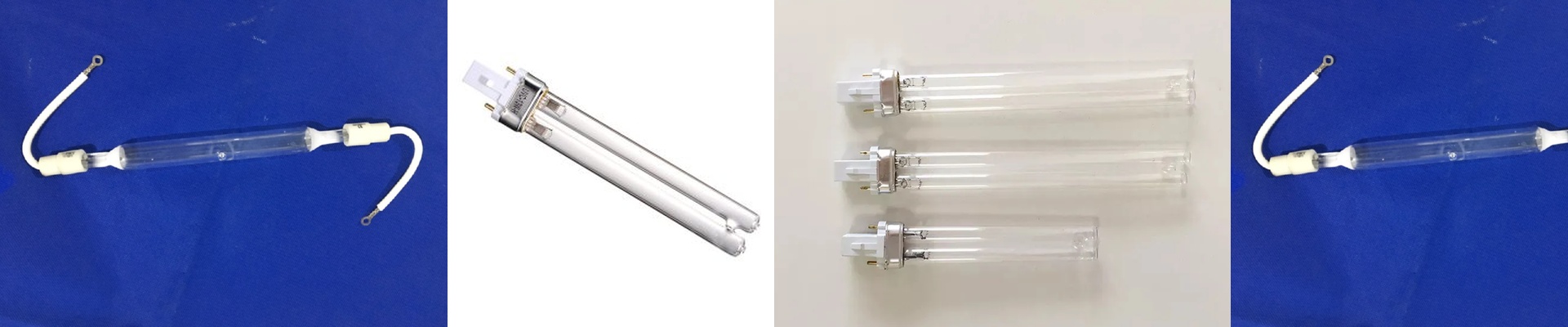
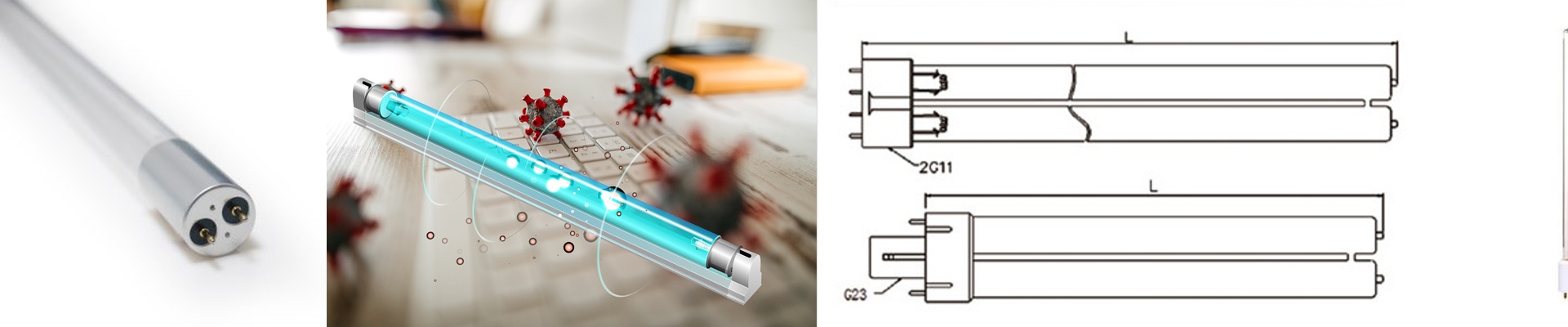
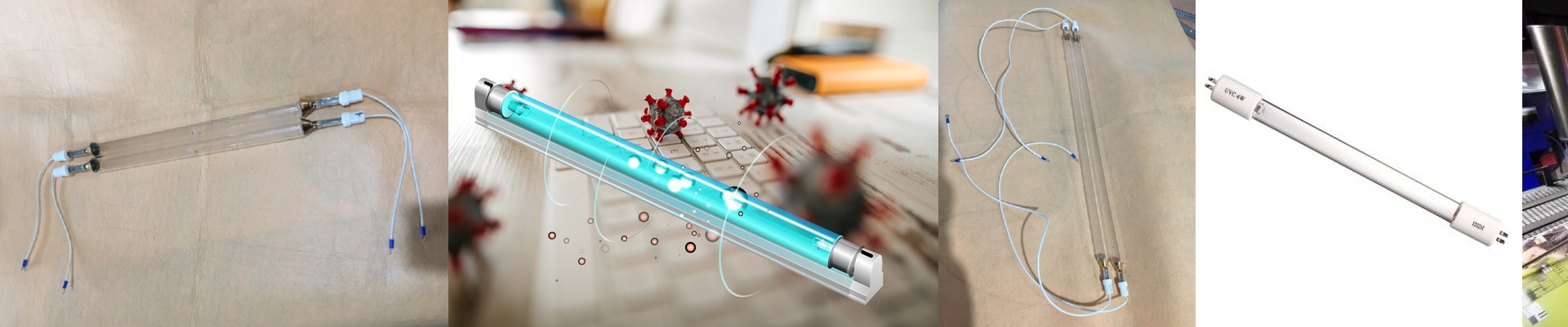
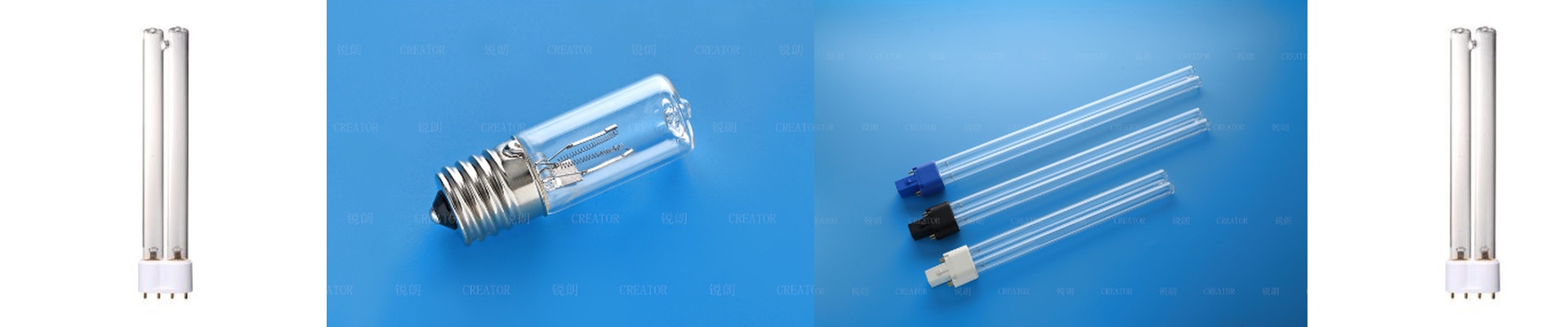
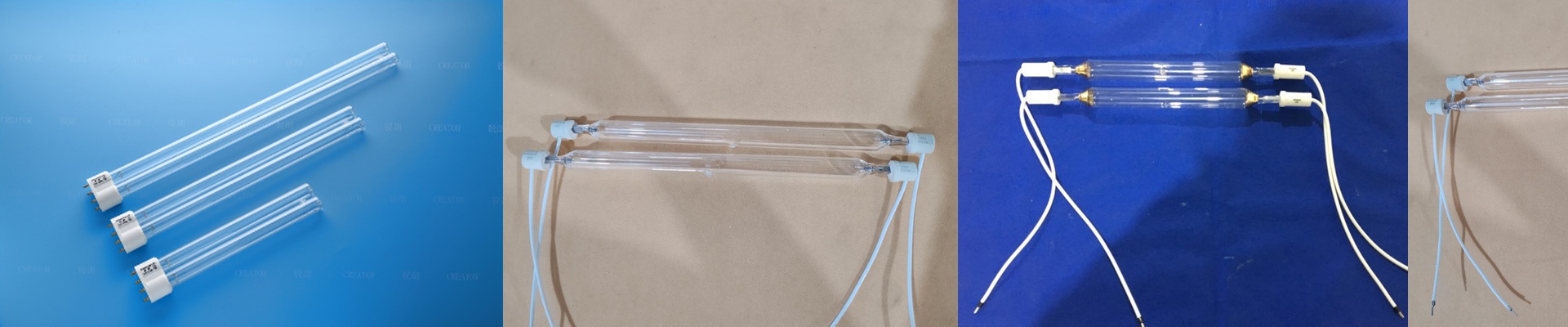
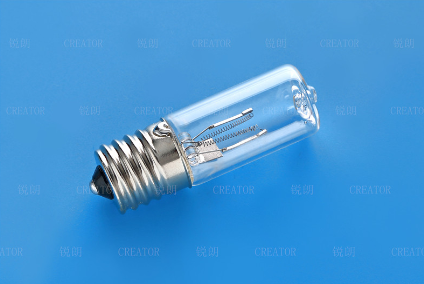
Out on the line, those high-intensity UV lamps throw down the irradiance needed to lock adhesion on metal and glass. But that same output floods the area with UV-A, UV-B, and UV-C. Without the right eye protection, you’re not talking about a distant risk—retinal exposure and corneal injury can happen in seconds around an operating mercury vapor lamp.
What matters, technically
UV lamp goggles have to track the spectral output of your curing system, not just how bright it looks. We spec lenses with optical density (OD) by wavelength: OD 5+ at 365 nm, OD 4+ at 313 nm, and OD 3+ at 254 nm—covering the full high-pressure mercury emission band. The lens material is UV-stabilized polycarbonate, with a hard coat for scratch resistance and chemical resistance to ink solvents. Strap tension and side shielding are designed to cut down stray exposure that slips off reflectors or leaks from lamp ends.
Why this works on tough jobs
When you’re running difficult substrates, adhesion means you need high peak irradiance to drive cross-linking through surface oxides and low surface energy layers. So the lamps get run hotter, and the operator position sits closer to the radiation envelope. These goggles keep eyes within safe exposure limits while still giving you the visual clarity you need for registration checks and lamp alignment. The payoff is fewer safety stoppages, steady curing cycles, and throughput that doesn’t get chopped up—on metal signage, glass containers, and decorated industrial parts.
The details you can’t skip
These goggles are tuned for high-pressure mercury lamps and LED UV arrays, but compatibility still depends on the exact spectral profile and how your reflector geometry behaves. Fit has to be verified at the machine’s actual operator position—some narrow-profile fixtures throw more peripheral scatter. Check the lenses regularly. Scratches and chemical hazing cut into effective optical density. Replace them when the lens coating degrades, or after any impact event.