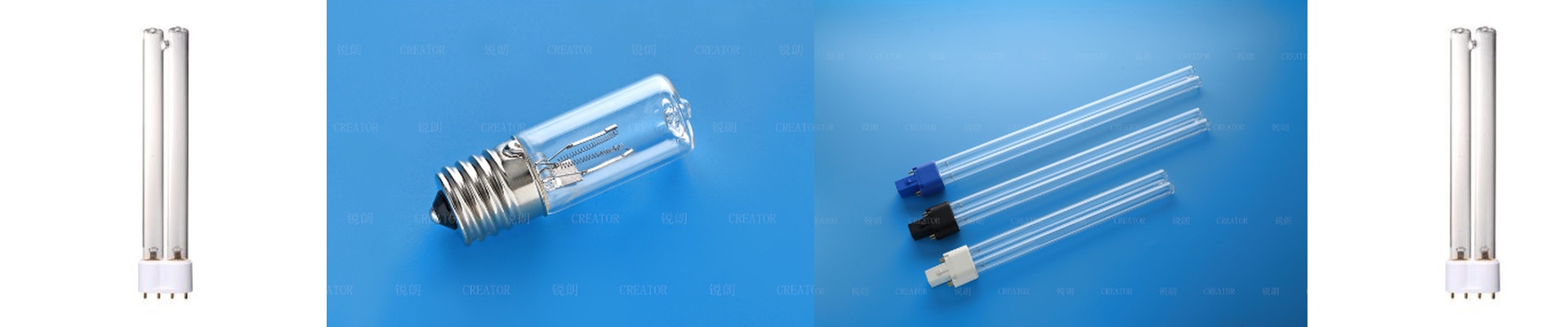
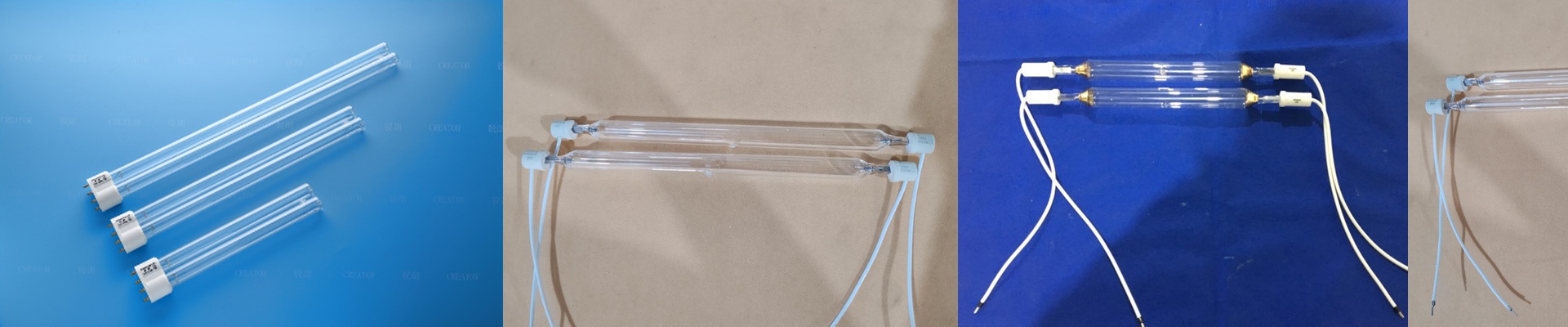
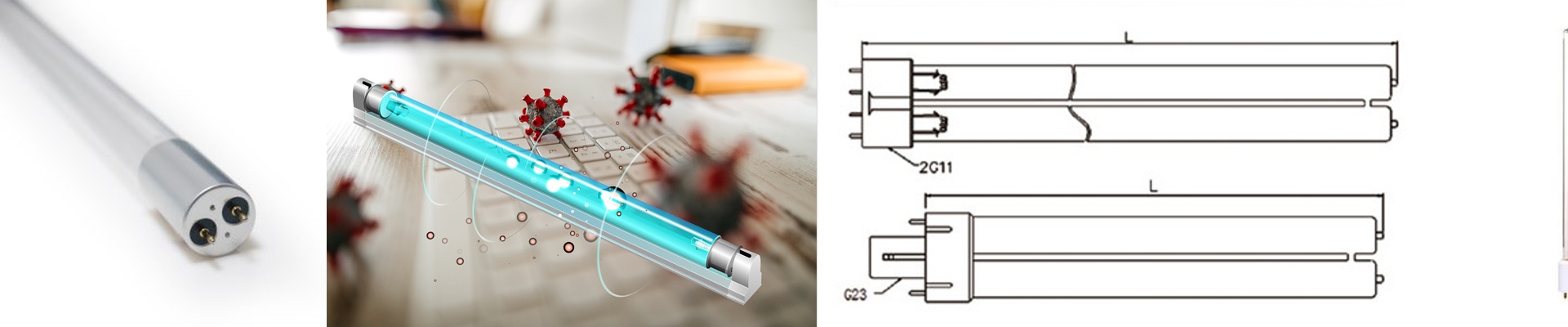
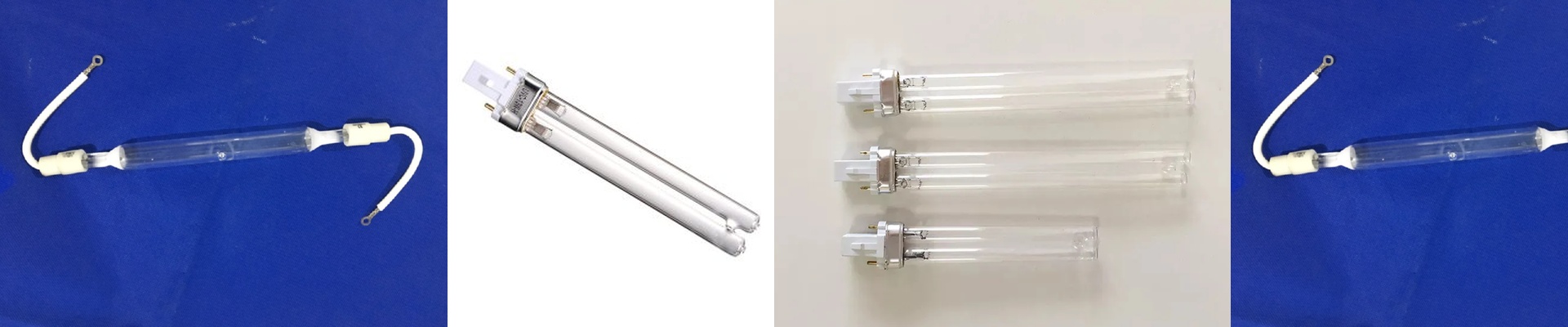
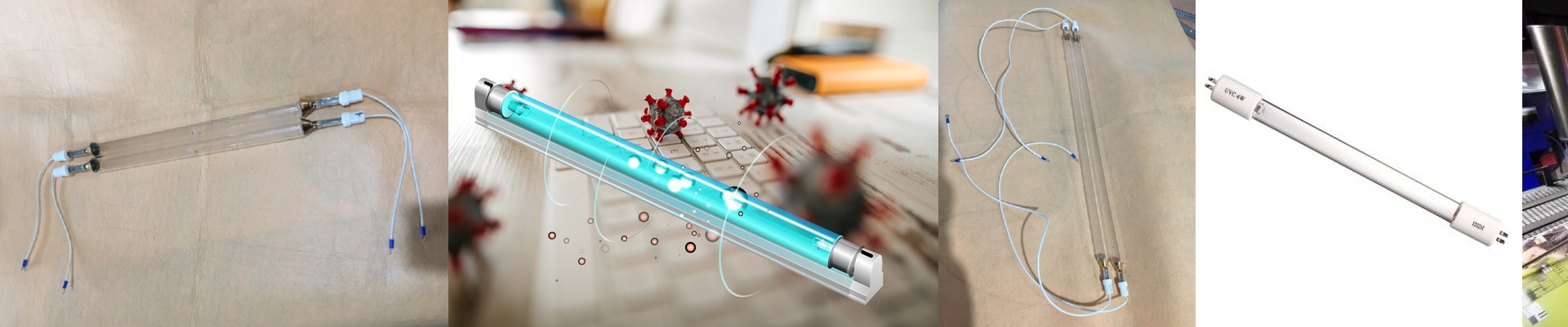
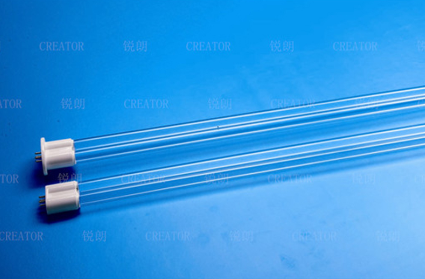
On the floor, where every second is paid for, the UV lamp isn’t a consumable. It’s the stabilizer that keeps the process honest. When you’re running 12-hour shifts and jumping between substrates, inconsistent cure energy shows up fast—adhesion failures, pinholes, and scrap that chews straight through margin. We built this lamp around one simple premise: repeatable spectral output, shift after shift. So your throughput and quality don’t come down to luck. What matters under the hood We run high-pressure mercury vapor lamps with a stable UV-A peak at 365nm—exactly the wavelength most ink photoinitiators are formulated to use. Peak irradiance is held steady by a reflector assembly with a dichroic coating, pushing energy forward and keeping wasted heat out of the web. Arc stability is controlled so output variance stays tight. A 10% swing in mJ/cm² is enough to shift cure depth and leave surface tack. We push for long lamp life by managing electrode erosion and fill pressure, and we keep system heat load down so your cooling and electrical runs closer to their rated duty cycle. Why it holds up in real production Contract manufacturing lives and dies on consistent yield and predictable cost. This lamp lets you run faster line speeds without giving up cure quality, because the spectral output stays stable over time. That translates into fewer rejects, fewer stoppages to check lamp output, and fewer changeouts. The end result is lower total cost of ownership: less downtime, fewer spares sitting in inventory, and less energy wasted as heat. The details that make it work Match the lamp to your press—reflector geometry, shutter, and cooling design. Output is sensitive to operating temperature and ballast stability, so stay within the specified voltage and airflow. Also, confirm the substrate can take the UV intensity. Some thin films will warp if the thermal load is too high. Proper setup isn’t optional. It’s what turns the spec sheet into performance you can count on, day after day.