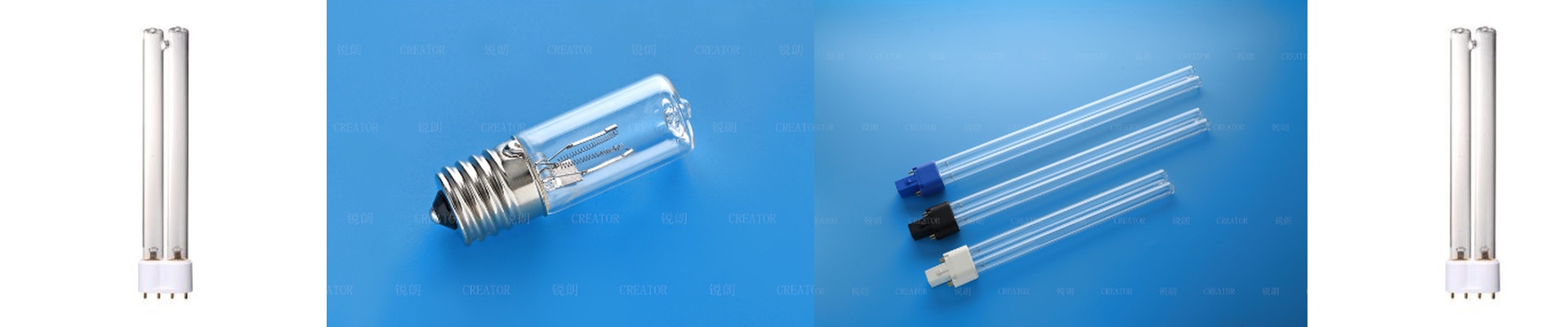
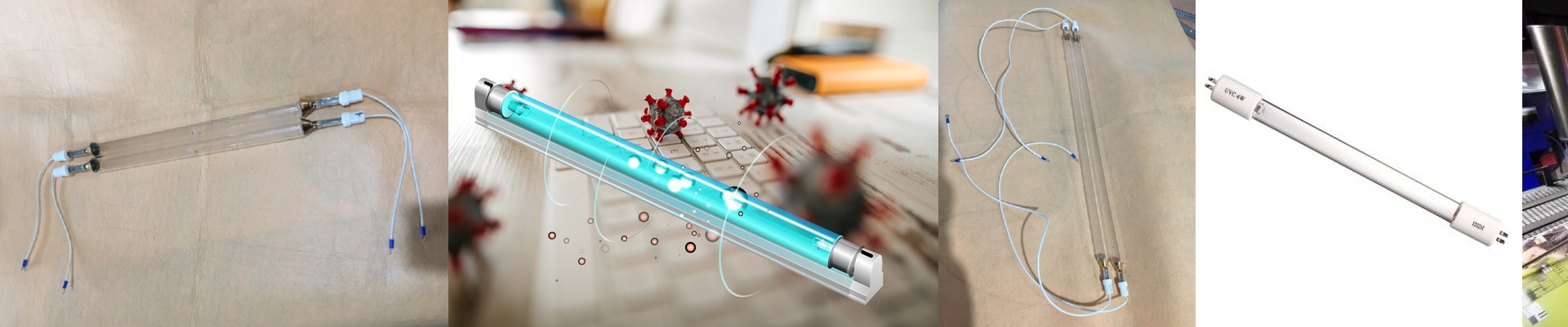
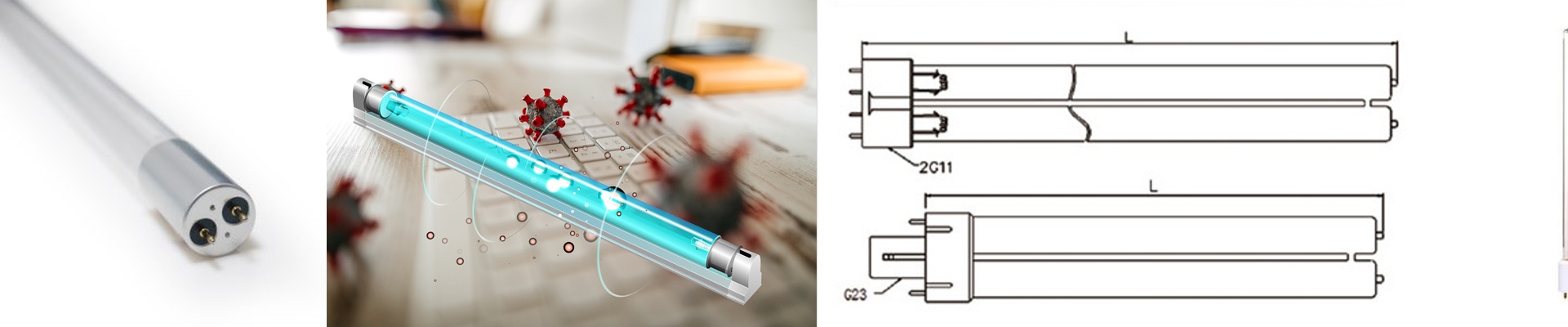
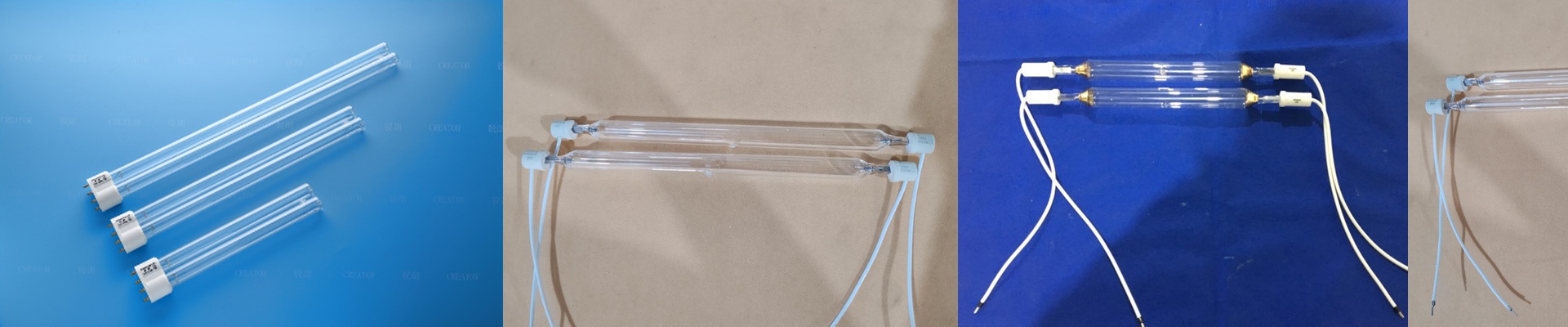
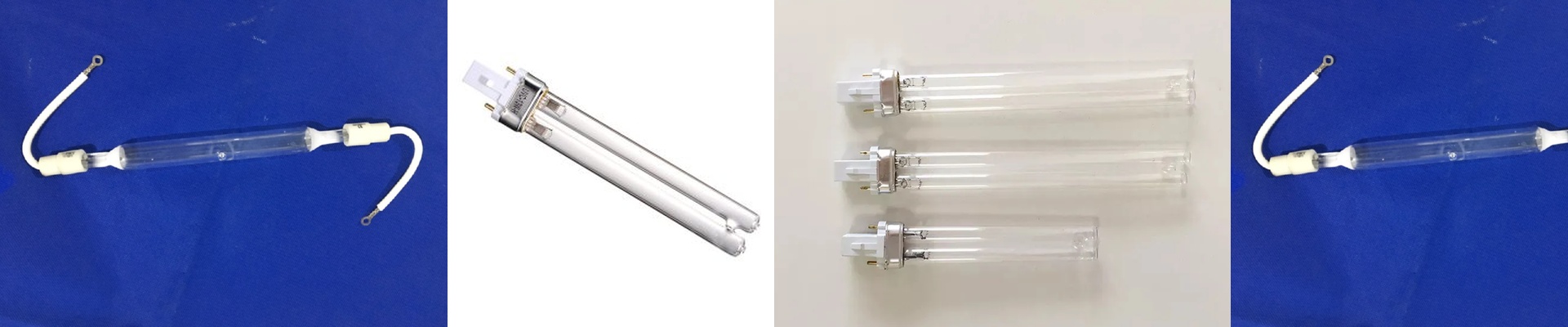
On the floor, color drift isn’t some vague gremlin—it’s a spectral mismatch you can trace. When your 405 nm lamp tries to cure an ink that’s tuned for 365 nm, the photoinitiators don’t finish their job. Monomers hang around, pigments shift, and you’re left with off-spec Pantones and scrap. What actually drives the cure UV curing is photochemistry, not just brute heat. Mercury vapor lamps throw down discrete bands—254, 313, 365, 405 nm—shaped by the quartz envelope and the dichroic reflector. A strong 365 nm peak gives you the penetration you need for thick screen inks. Meanwhile, 385–405 nm is what gets you surface cross-linking on thin flexo films and offset overprints. Peak irradiance and energy density (mJ/cm²) set the speed, and spectral stability keeps photoinitiator absorption matched from batch to batch. Why the spectrum has to match the process In screen, you’re dealing with ink build, so a 365 nm-dominant output drives through-cure without leaving the surface tacky. In flexo, a 385–405 nm profile cures those thin layers on film without pushing you into yellowing. Offset needs a more balanced band so you can cure a thin film fast without beating up the pigment. Match the lamp spectrum to the ink chemistry, and you get consistent gloss, adhesion, and color. Miss the match, and you’ll spend your days chasing metamerism under daylight and rerunning QC. The details that keep you out of trouble Lamp output drops with hours—expect about 10–15% irradiance loss after 1,000 hours on high-power mercury lamps. Reflector degradation and power supply tolerance make that worse. Get the arc length, reflector geometry, and lamp-to-substrate distance right during install. Verify spectral output with a radiometer, not by eyeballing the blue glow. Some formulations need ozone-free quartz and controlled airflow so ozone quenching doesn’t rob you of cure. And plan lamp replacement around your color-critical jobs, not after the lamp fails.