Engineering the 0.5%: A Lamp Built for One Thing
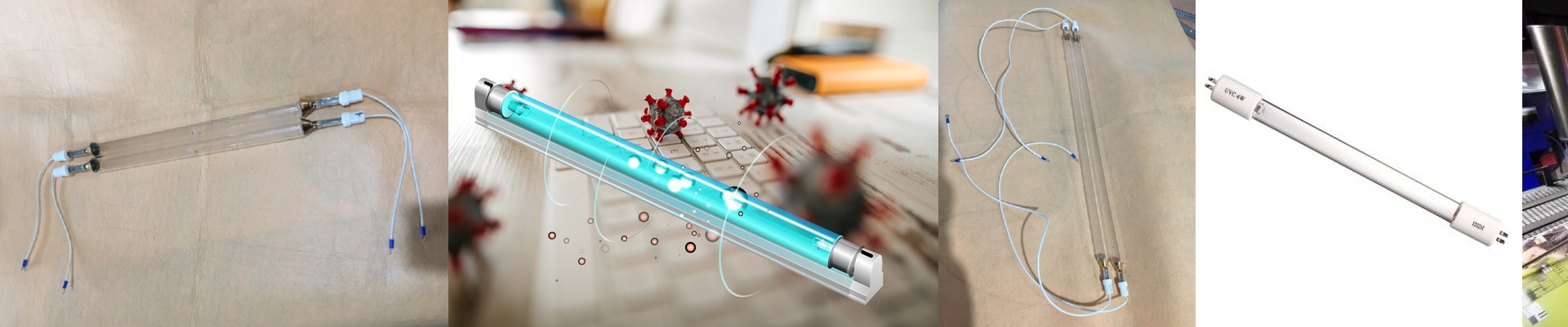
We built this UV curing lamp for one reason and one reason only: to end the precision headaches that hold up 3D printing production. That 0.5% spectral energy concentration isn’t a slogan. It’s the target. It shaped every single call we made, from the filament shape to the quartz sleeve.
Power, Voltage, and the Curing Reality
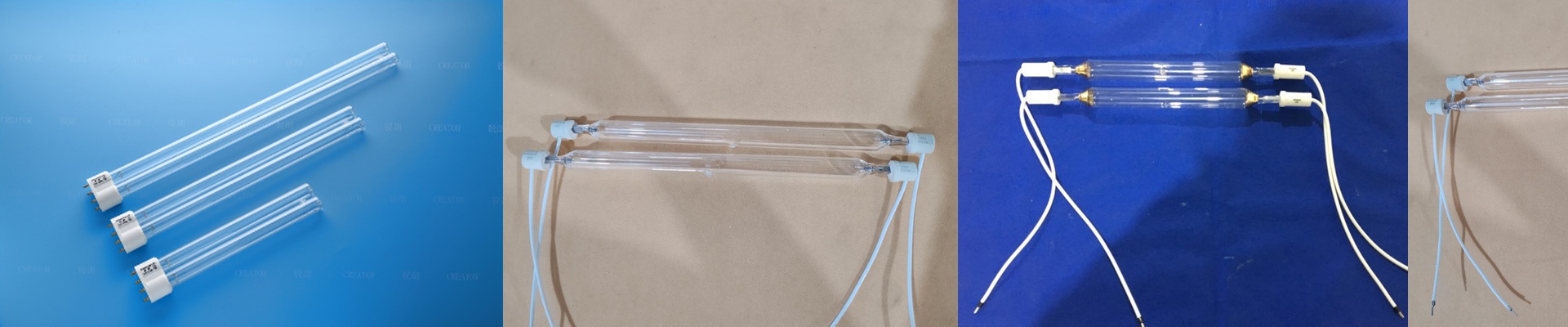
To hit that spectral target, we leaned into a high-voltage, high-power design. We’re talking 400V in, pushing 2500W through a 300mm tube. That’s intentional. High voltage settles the arc, so the light stays steady across the entire curing window. And packing that much wattage into a short tube gives you the heat density needed for fast, solid polymer cross-linking. Here’s the trade-off, though—it gets hot. Your machine’s cooling system needs to be ready for it. If it isn’t, the lamp runs outside its thermal sweet spot, and you shorten its life. No shortcuts here.
Halogen, Quartz, and a Base That Actually Holds
Inside, we run a halogen cycle inside a high-purity quartz envelope. The halogen cycle keeps the filament clean, so the output stays stable over time. The quartz handles the thermal shock and lets the UV wavelengths through without losing much in the process. And the R7s base? Not an afterthought. It’s a double-ended, high-temperature ceramic connector that locks the lamp in place with solid contact. It handles the current and stands up to the heat. That means you get a simple, drop-in replacement that stays aligned even when things vibrate—no hot spots, no uneven curing.
What This Means for Your 3D Prints
In 3D printing, curing isn’t a separate step. It’s part of the build tolerance. Our lamp gives you a stable, repeatable spectral profile. So you get consistent layer adhesion, less warping, and fewer failed prints. By focusing the engineering on spectral energy concentration, we took one variable off your plate. You can trust the lamp to perform, shift after shift, without constant recalibration. That’s the whole point of the work we did.