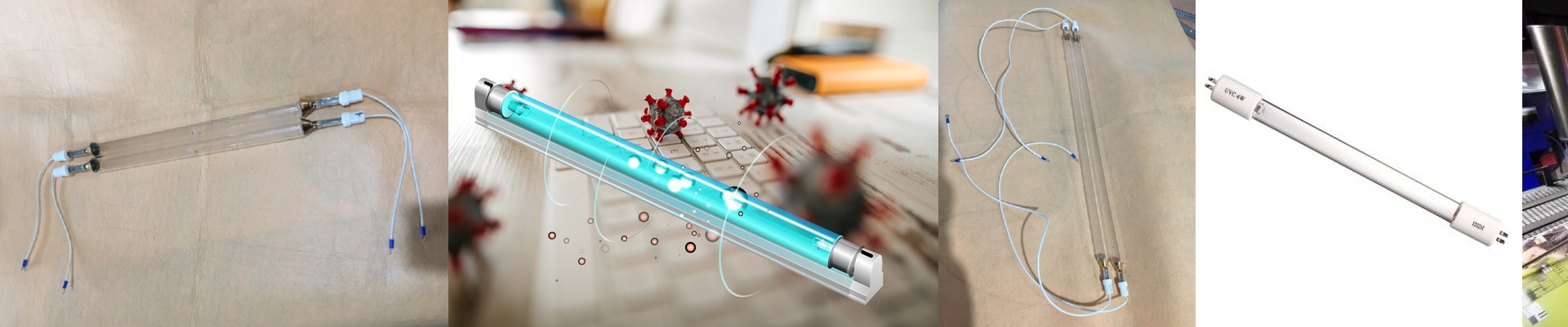
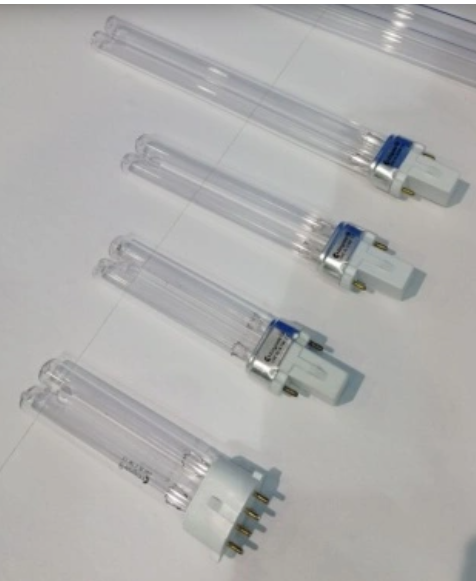
On the press, when the ink won’t cure, the first place I look is the lamp window. Oil mist and fines from the ink and substrate coat the reflector and the quartz sleeve. That film scatters the UV and steals peak irradiance. You end up short on energy density at the substrate, and the job shows it: uncured ink, adhesion failure, and lamps replaced way too soon. What matters, technically Compact mercury UV curing lamps give you the spectral output needed to kick photoinitiators fast. The short arc concentrates the output, and the dichroic-coated reflector shapes the beam so you get uniform irradiance across the print width. For high-pigment inks, you want stable output at 365 nm; 385–405 nm gives you some tuning room for surface cure. Don’t chase watts—measure performance in mJ/cm² and peak irradiance. Output drops predictably over time, but keep the lamp and reflector clean, and you hold intensity for thousands of hours. Here is why this works where it counts. In offset, a compact mercury lamp with solid short-wave output gets through the ink film for through-cure without cooking the blanket. In flexo, the narrow arc and even profile give you consistent cure at high speed, without pinholes. In screen, higher peak irradiance at 365 nm drives cross-linking through thick deposits. Clean quartz and reflectors keep the spectrum honest, even out hot spots, and cut downtime. Proper cleaning can stretch lamp life by about 30% by slowing premature quartz devitrification and reflector degradation. A few practical points. Match voltage, connector, and arc length to the OEM fixture. Mismatched reflectors and ballasts skew the spectral curve and burn lamps early. If airflow is tight, run ozone-free versions, and verify cooling to keep the arc stable. Clean on schedule with non-abrasive solvents and soft wipes—never touch the quartz with bare skin. Pair the lamp with a radiometer to track energy density, and replace on a measured degradation curve, not a guess.