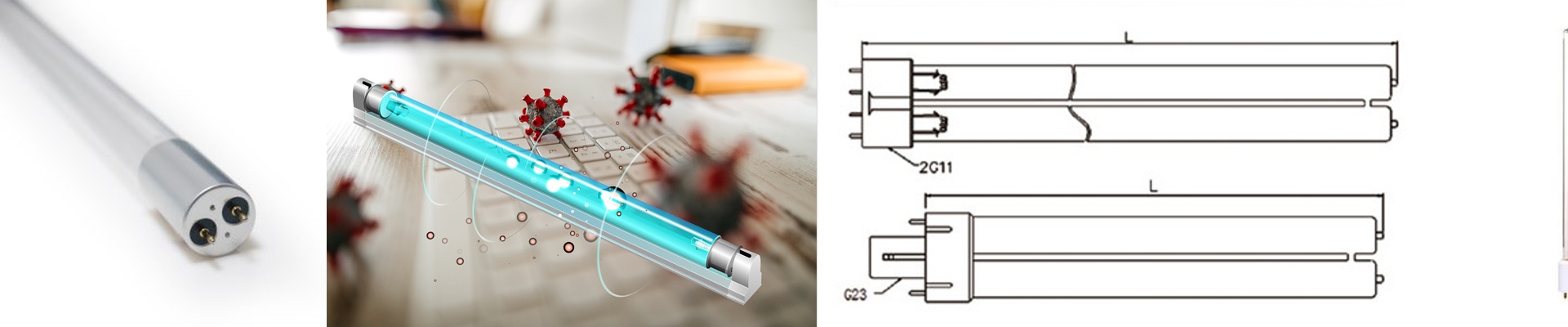
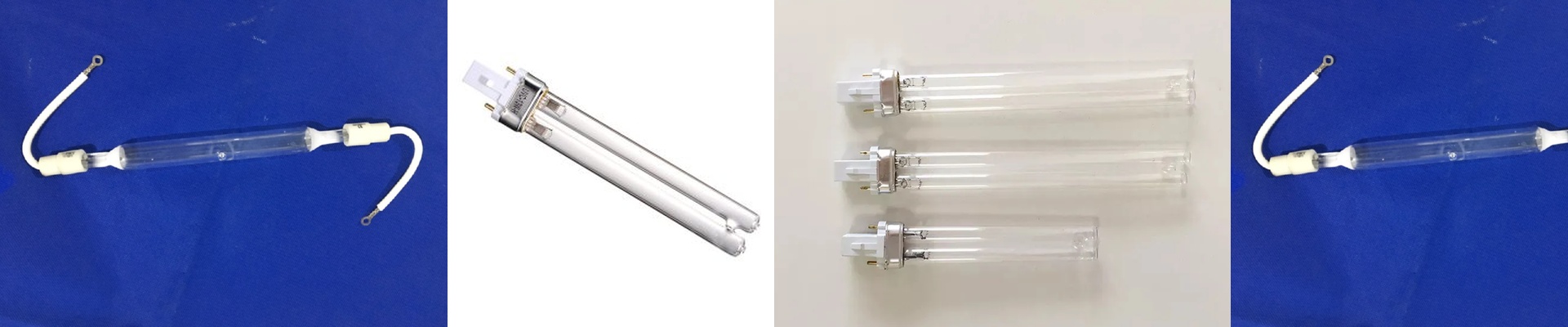
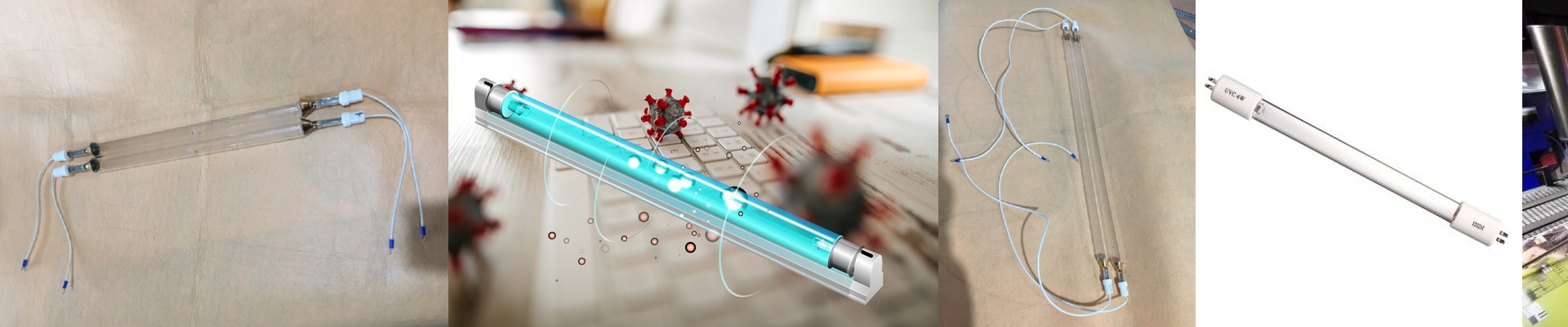
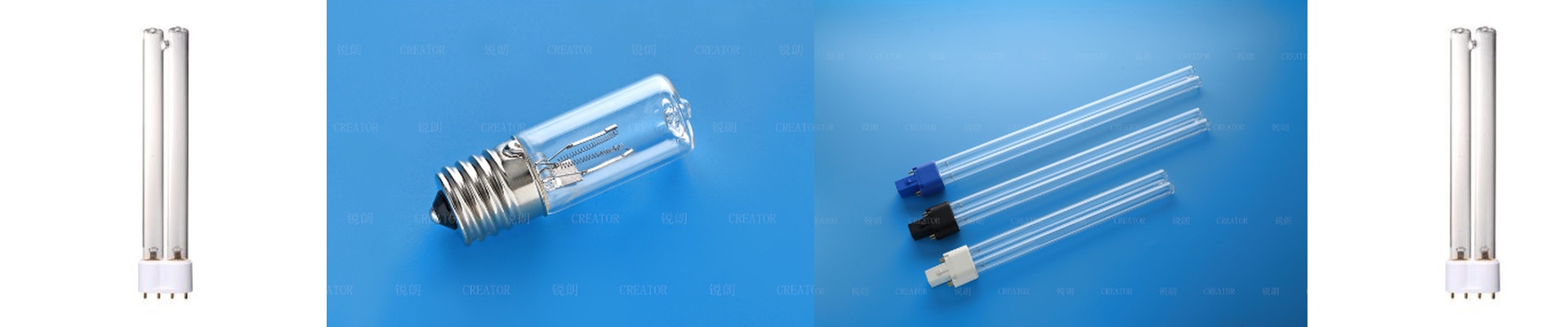
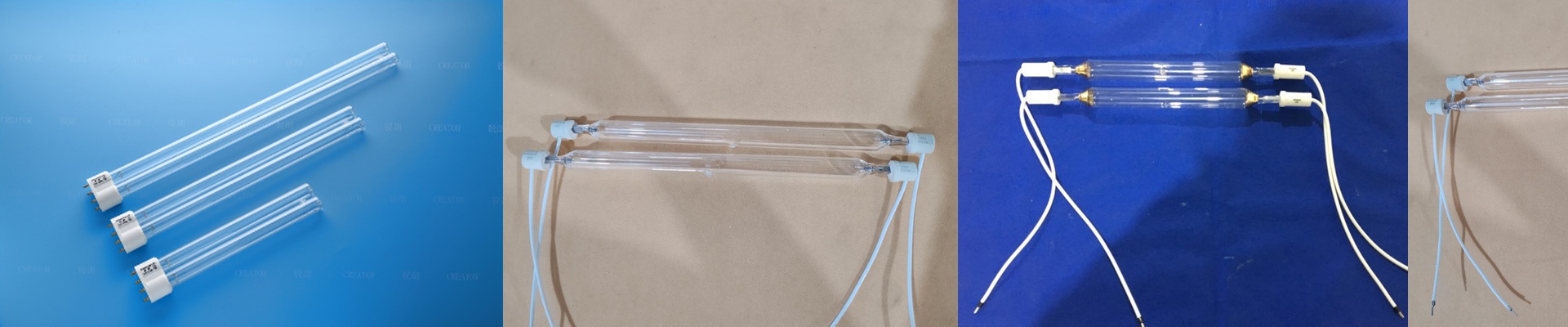
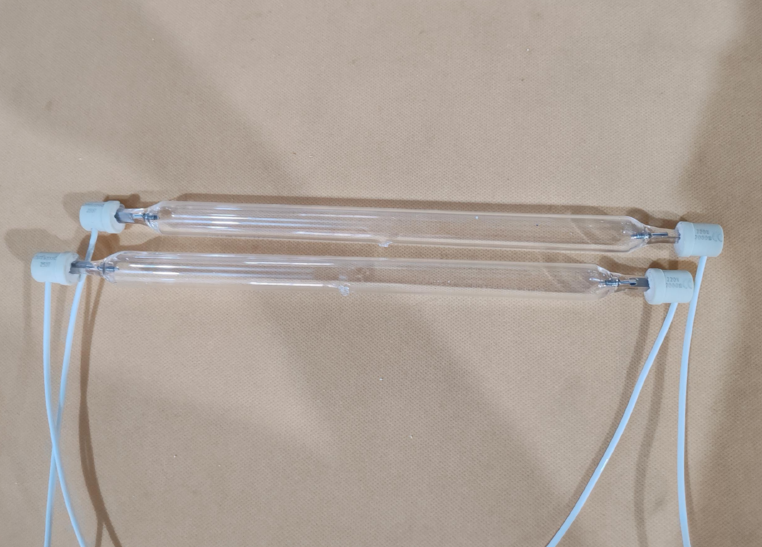
On the PCB floor, micro-traces and tight clearances don’t forgive solder mask that won’t stick. Under-cured ink migrates, bridges conductors, and turns high-density boards into scrap. The fix isn’t brute heat. It’s controlled UV energy—delivered at the right wavelength, with repeatable irradiance. What matters under the hood We build high-pressure mercury UV lamps around a stable arc and a spectral profile that lines up with photoinitiator absorption. The dominant 365 nm line gives you surface cure and through-cure in epoxy-acrylate solder masks, while the broad UVA output helps you reach depth. Peak irradiance at the substrate is engineered above 1.5 W/cm², translating to 600–1200 mJ/cm² across typical line speeds. Output stays stable because the reflector uses a dichroic coating and the lamp housing is thermally managed, keeping intensity drift under 3% over 2,000 hours. Ozone-free quartz envelopes keep the work area cleaner and cut down on maintenance interruptions. Why this fits PCB solder mask Solder mask needs sharp edge definition and adhesion across micro-features. The 365 nm peak hits the absorption window of common photoinitiators, so cross-linking happens fast—before the ink slumps into fine gaps. High peak irradiance cures quickly, which lets you run higher line speeds without heat build-up or shadowed under-cure between traces. Stable spectral output means the cure window stays consistent, so you see fewer adhesion and tack issues that send boards back for rework. Expect longer lamp life—5,000+ hours with a controlled output drop—lower energy per board, and fewer lamp changes. The shop-floor details you can’t skip Match the lamp to your curing module geometry and reflector focal length. Misalignment drops irradiance at the board and gives you uneven cure. Check fixture voltage, ignition method, and shutter cycle compatibility with your printer. Use a calibrated radiometer and track energy density per pass. Intensity drops as the lamp ages, so set a maintenance trigger at 15% output drop. Keep airflow adequate to control quartz temperature. Overheating shortens lamp life and shifts the spectral balance.