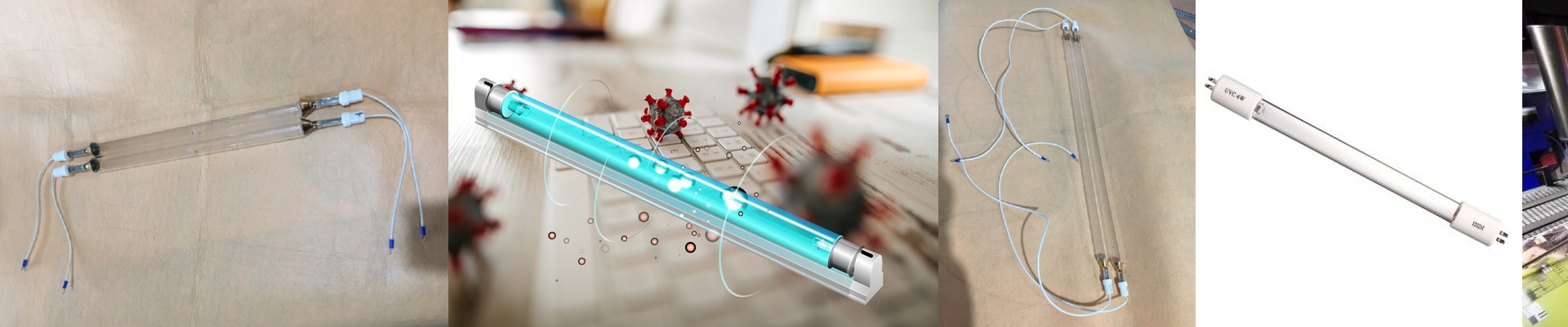
Getting Your UV Output Right: No More Guesswork
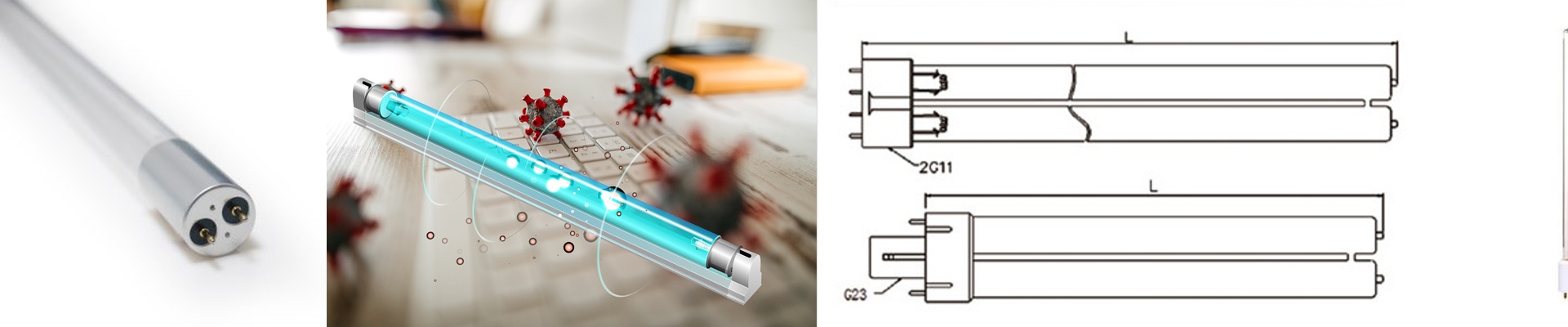
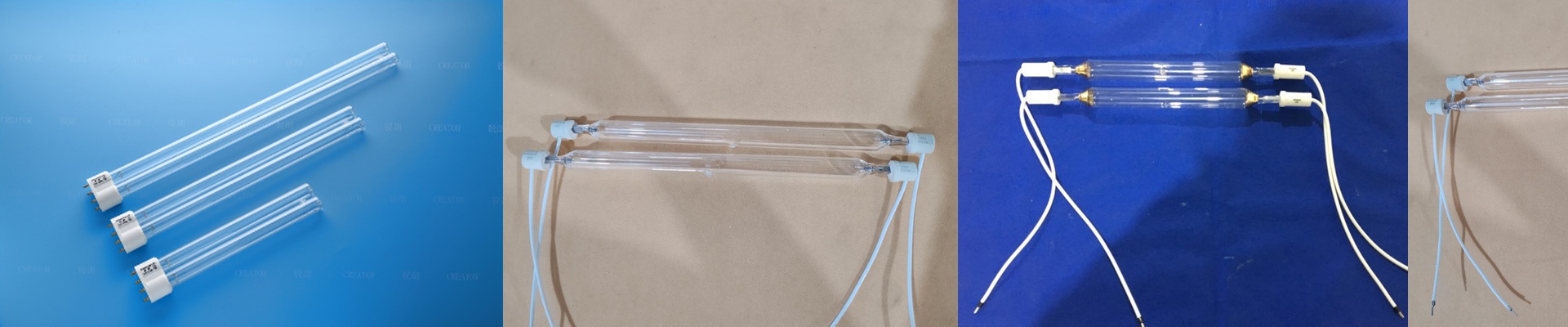
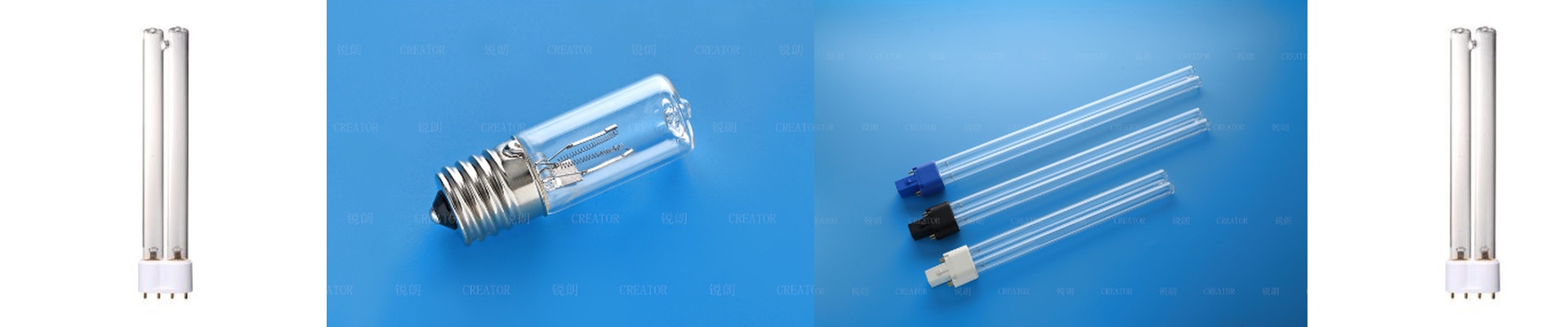
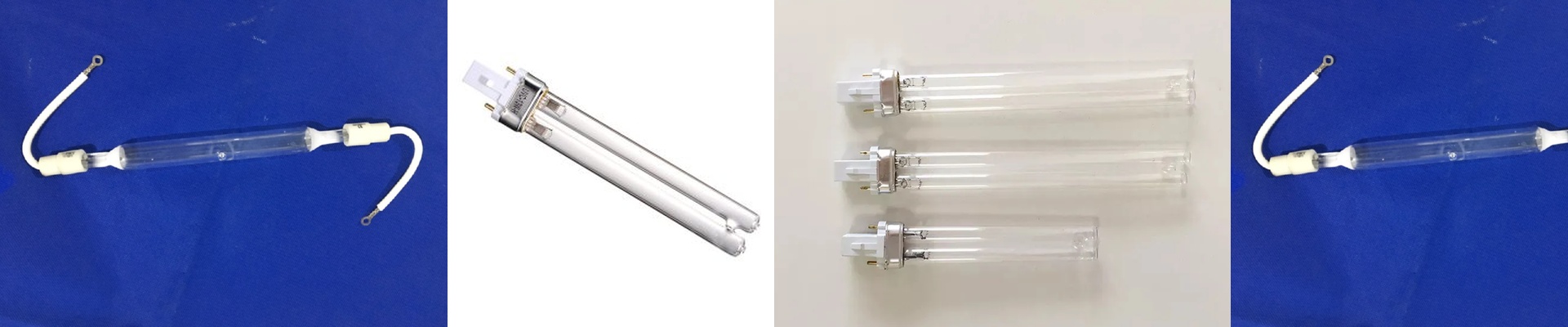
Let’s be honest: most people treat germicidal UV bulbs like lightbulbs for a hallway—just something you swap out when it dies. But if you’re running a printing or curing line, these lamps are basically the engine of your entire operation. When you’re ordering in bulk, the price tag is only half the story. The real headache starts if your bulbs aren’t consistent. Imagine running hundreds of units only to find out some spots aren’t curing or some germs are still hanging around because the spectral output shifted. That’s a nightmare you don’t want. The science bit (kept simple) Most of these bulbs live in the UVC spectrum, hitting that sweet spot around 253.7 nm. That’s the magic number that breaks down microorganism DNA and makes UV inks harden instantly. To make this work, we use high-purity quartz glass. Why? Because regular glass is basically a wall to UVC rays. Quartz is the open door that lets the light actually do its job. Where things usually go wrong Here is where most engineers hit a wall: the ballast. If your bulb and your ballast aren’t speaking the same language in terms of wattage or voltage, you’re asking for trouble. Too much power? You’ll fry your circuitry. Too little? Your UV intensity drops, your line slows down, and suddenly you’re missing deadlines. And for heaven’s sake, double-check the fit. A tiny 2mm difference in length or a pin that’s just a hair off-center means the lamp won’t sit right. That creates a tiny air gap, which leads to arcing at the electrodes. It’s a small detail that causes a big mess. The heat struggle High-output bulbs are powerful, but they run hot. Really hot. You can’t just slide a high-wattage bulb into a slot designed for a low-wattage one and hope for the best. If your cooling system can’t handle the extra heat, the lifespan of your bulb will plummet. It’s a fast track to wasting money. Pro tip: keep a close eye on the sleeve temperature. It’s the best way to make sure your quartz isn’t degrading. We do more than just put parts in a box and ship them. We’ll actually help you get everything wired up and tweak your process until your cure rate is exactly where it needs to be.