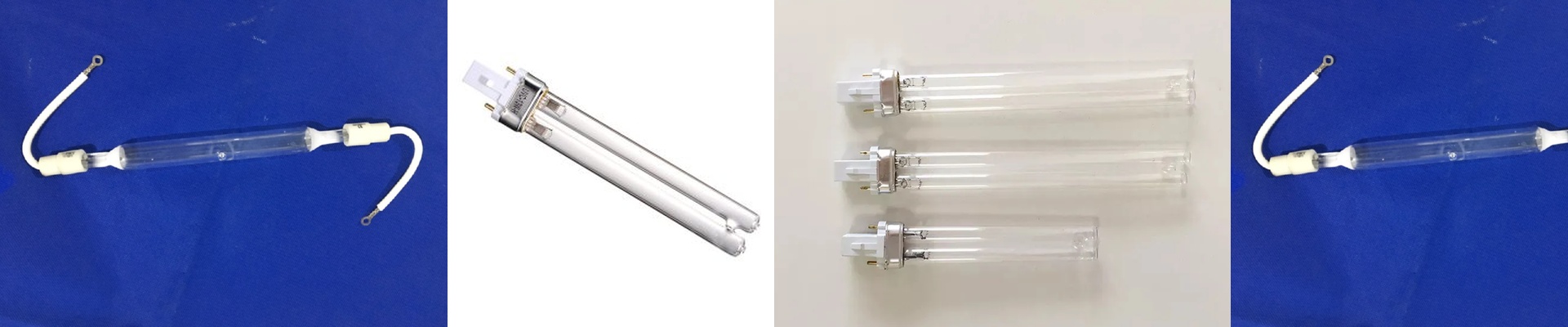
Why Your UV Tubes Keep Drifting (And How We Fixed It)
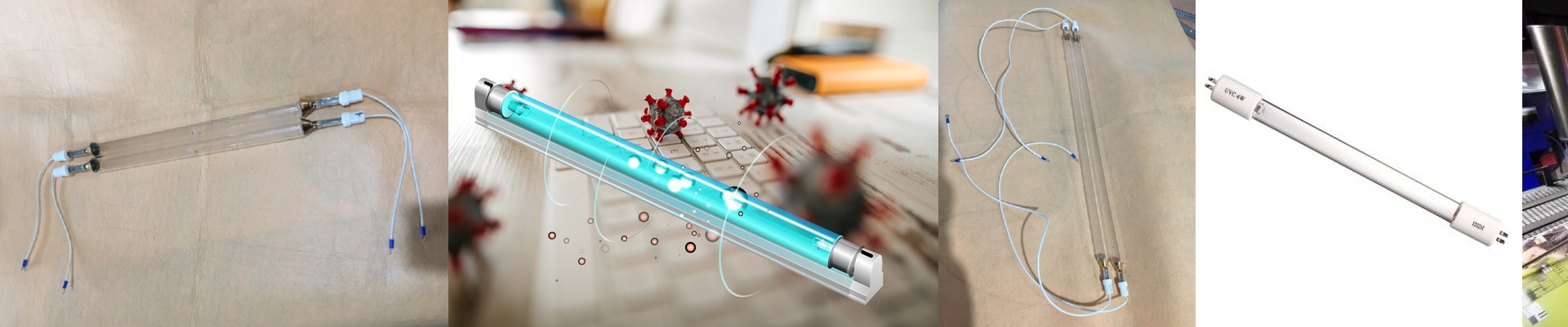
Here is the deal with mercury UV curing tubes: they have one job. They need to hit a very specific spectral peak to trigger that chemical reaction—photopolymerization—without torching your materials. The problem? Most tubes you buy off the shelf just… drift. Over time, the wavelength shifts. And when that happens, your cure rate tanks. You end up with resins that feel tacky to the touch or, worse, stuff that isn’t cured at all. We decided to stop that.
Keeping the Light Locked In
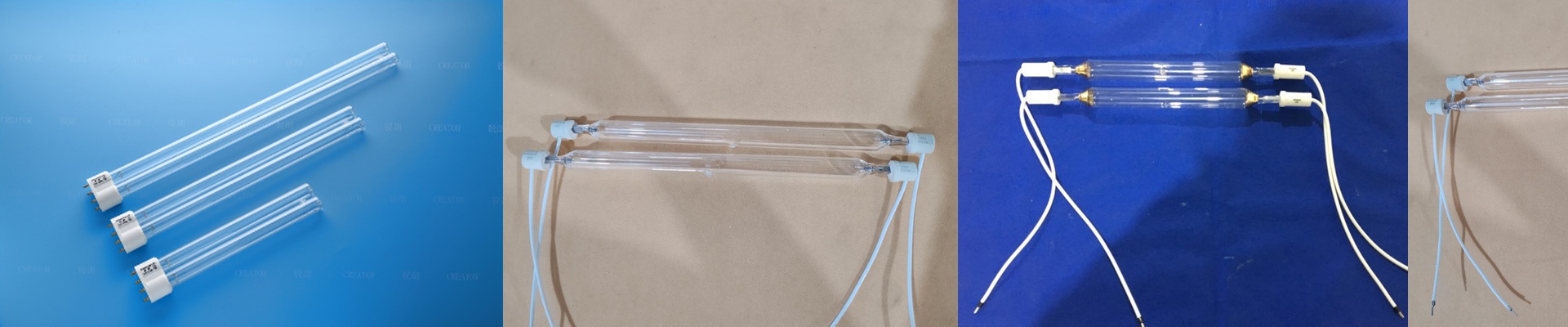
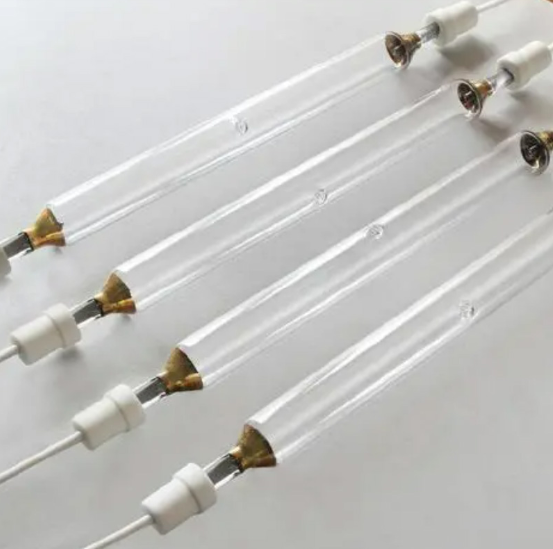
A long-life tube isn’t just about the glass. It’s about what’s happening inside. We spend a lot of time obsessing over the gas mixture and the electrode chemistry. By dialing in the mercury vapor pressure, we keep that emission peak locked exactly where it needs to be. We also use high-purity synthetic quartz. If you’ve ever seen a tube get that cloudy, milky look—that’s called solarization. It kills your UV output. By stripping out the impurities in the quartz, we keep the tube clear and the milliwatts flowing for much longer.
The Heat Struggle
Let’s be honest: high-intensity UV creates a ton of heat. Our tubes are built to handle high current densities, but they can’t do all the heavy lifting alone. You’ve got to make sure your cooling is up to the task. If your conveyor is crawling or your fans aren’t pushing enough air, the tube will overheat. That’s a fast track to burnt-out electrodes. We’ve designed the footprint to give the heat as much room to escape as possible, but you still need a solid thermal setup to keep the lamp from cooking itself.
No Headaches During Setup
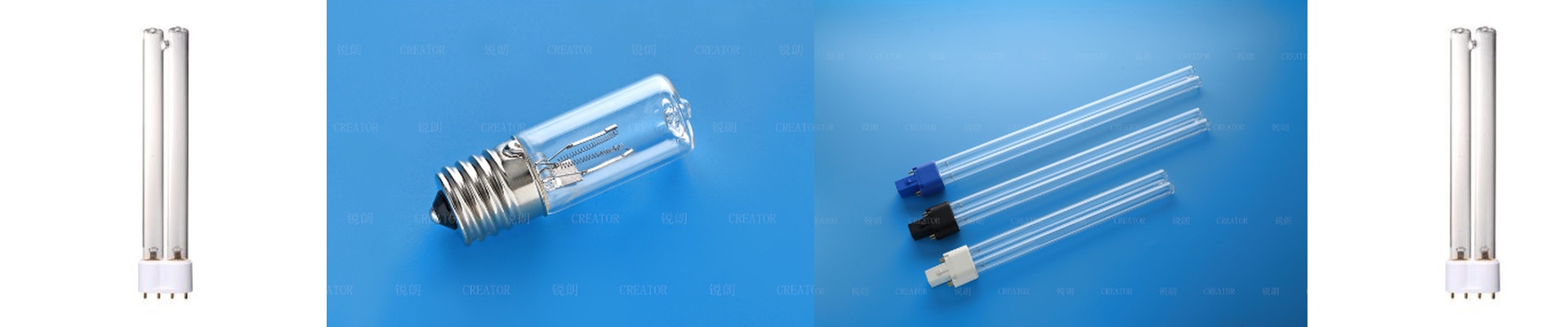
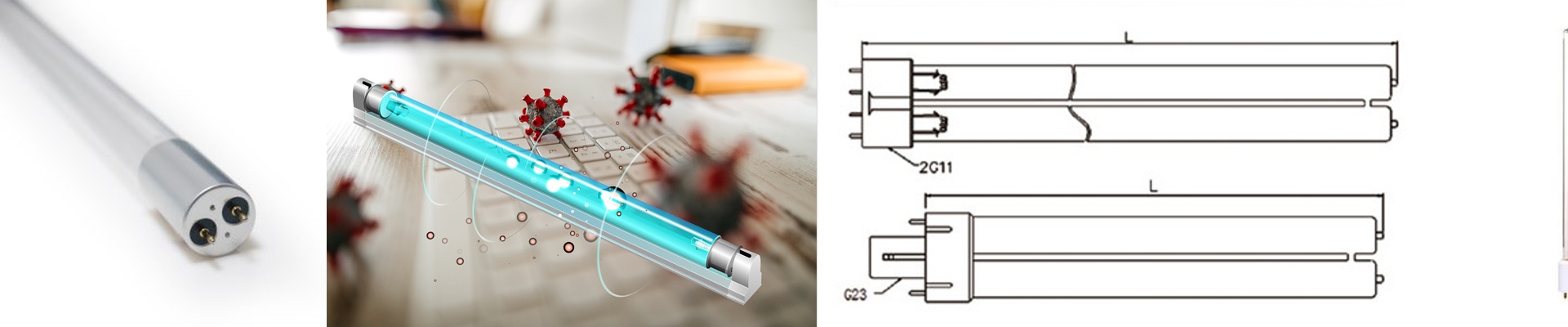
Nobody wants to spend their afternoon rewiring a ballast or messing with reflectors just to get a better bulb. That’s why we made these a simple drop-in replacement. We keep the pins and dimensions tight to the industry standards. You just swap out the old, burnt-out tube and get back to work. The beam hits the exact same focal point it did before, so your process doesn’t miss a beat.