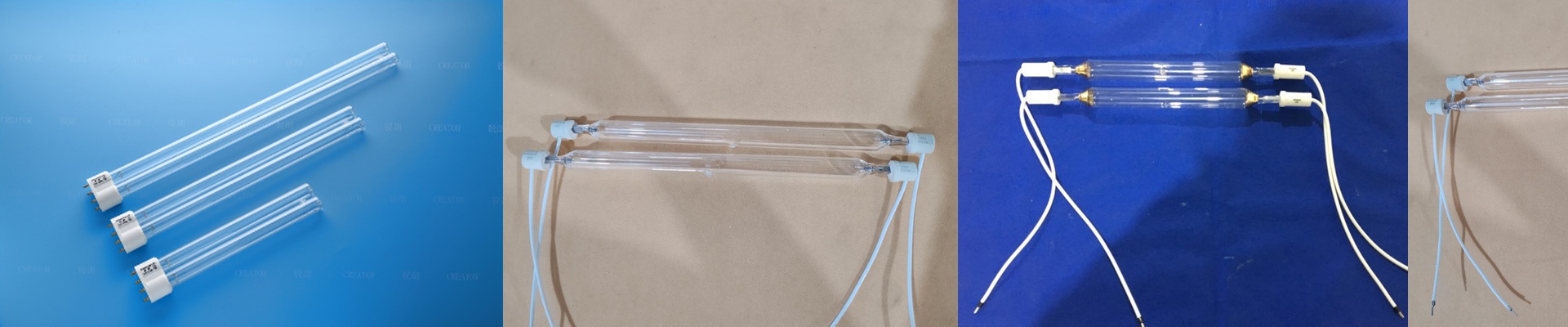
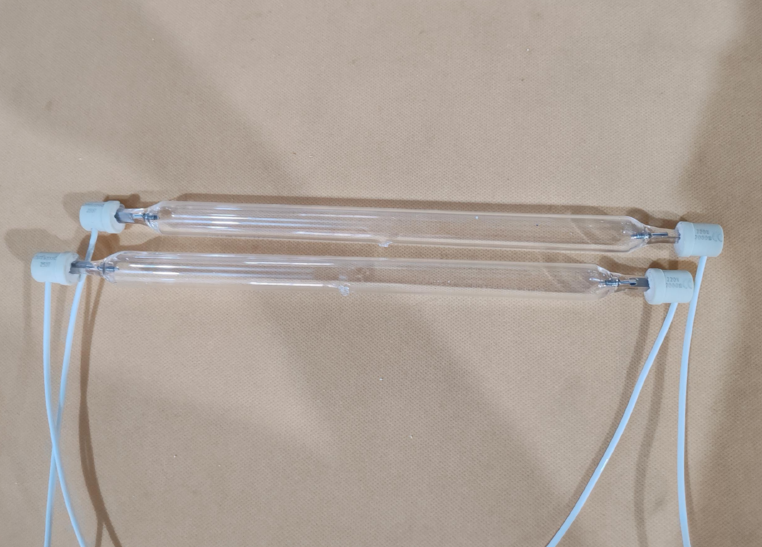
Getting the Most Out of Our 80W/cm Mercury UV Lamps
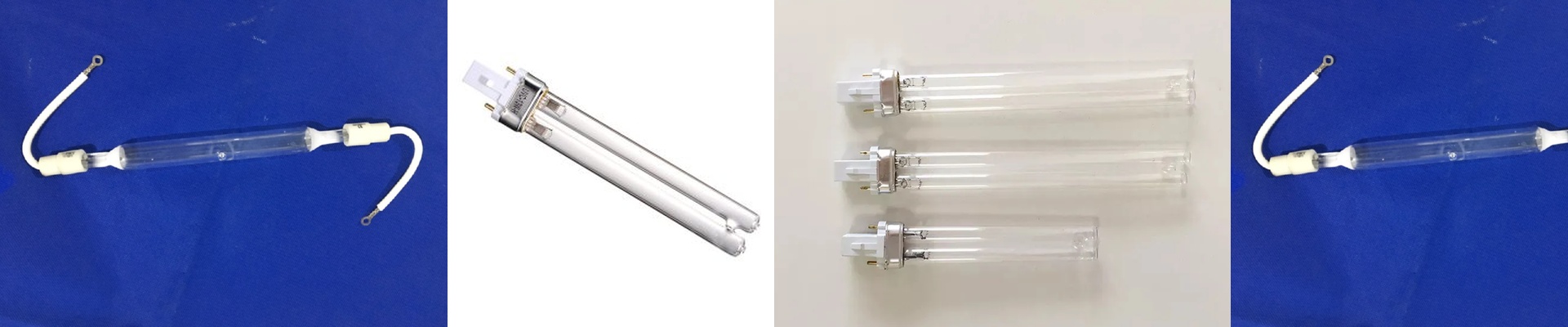
When we built our standard mercury UV lamps, we had one goal: hit a consistent 80W/cm. Why that specific number? Because it’s the sweet spot for getting UV inks to snap into place on fabric. In the textile world, it’s a balancing act. You want that pigment locked deep into the fibers, but you don’t want to accidentally scorch the cloth. The heat factor That 80W/cm spec is all about how much energy is packed into the length of the tube. We use high-purity mercury vapor to get the exact UVC and UVB wavelengths you need. Once these are wired into your array, the ink hits its gel point in milliseconds. It’s nearly instant. But here’s the thing: you’ve got to get your conveyor speed just right. If the fabric crawls too slowly, you’re risking a burn. Too fast? Your ink stays tacky, and nobody wants that. Why we use fused quartz We house the mercury arc in fused quartz glass. We do this because regular glass would just soak up all the shortwave UV radiation. Quartz lets it fly right through. Now, running at 80W/cm gets the lamp internals pretty hot. It’s a bit of a trade-off. That heat actually helps the ink react chemically, but it’s tough on the lamp ends. To stop gas leaks or early burnouts, we use reinforced seals. They’re built to take the pressure. Setting them up in your line These lamps are designed to be simple drop-in replacements for most industrial curing tunnels. Since the wattage is fixed, calculating your total energy dose (J/cm²) is straightforward—just look at how many lamps you’ve got in the bank and how fast your line is moving. One quick tip: keep an eye on your ballast settings. It’s tempting to push the tubes harder, but if you go beyond the 80W/cm spec, you’ll kill the lifespan of the lamp. Better to play it safe and keep them running longer.