More Than Just a Sticker: What CE Certification Actually Means for Your UV Lamps
Most people see a CE mark and think “paperwork.” They treat it like a customs hoop to jump through or a boring sticker that doesn’t really do anything. But if you’re running an industrial shop, thinking that way is a gamble. For those of us building these lamps, CE isn’t a bureaucratic chore. It’s the actual blueprint we use to make sure your gear doesn’t blow up or crash your other electronics.
The Nitty-Gritty of the Hardware
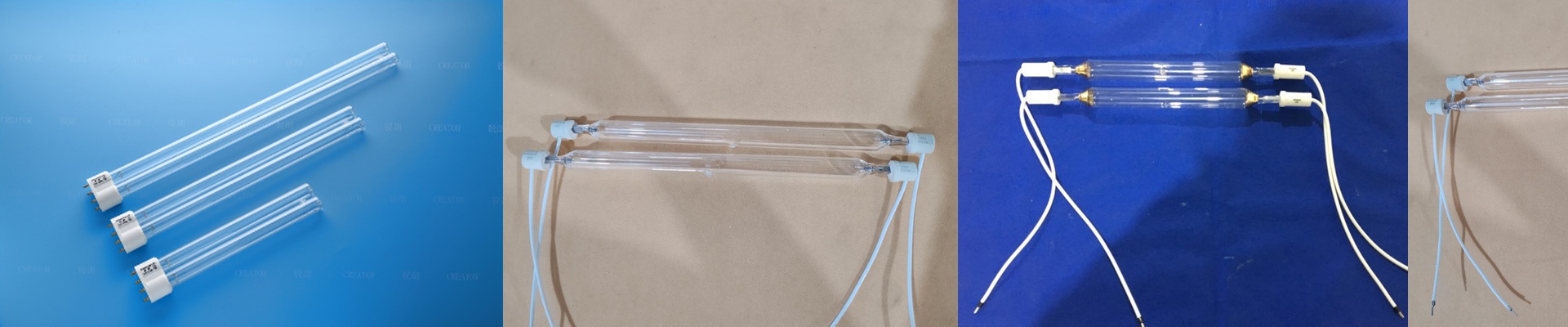
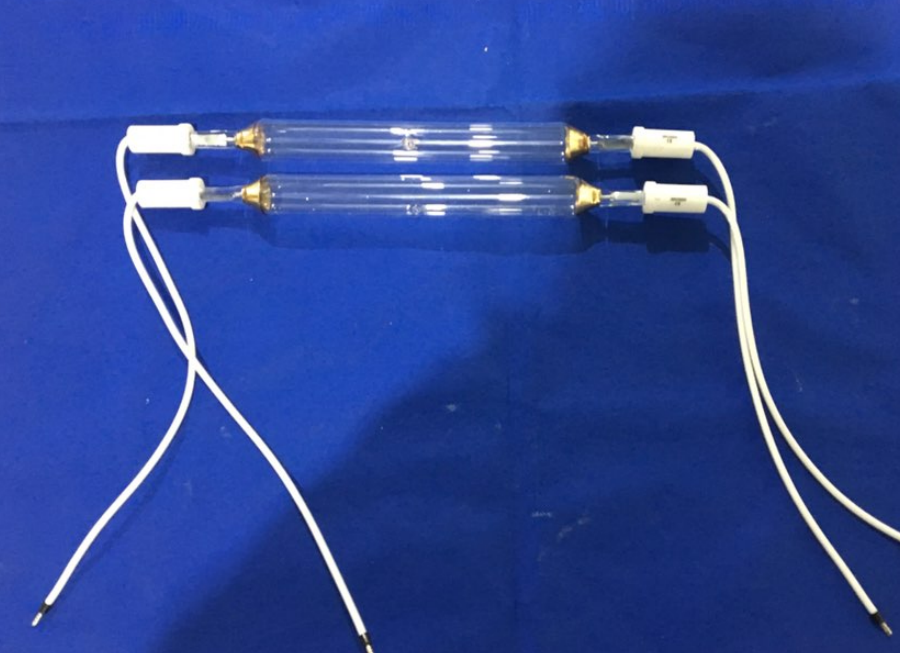
When we talk about a CE-marked lamp, we aren’t just talking about the bulb. We’re talking about the whole setup. We spend a lot of time obsessing over insulation and dielectric strength. Why? Because high-voltage loads are brutal. If a lamp isn’t built to handle voltage spikes or if the grounding is sloppy, you’re looking at a fried ballast. Or, in a worst-case scenario, a fire inside your curing tunnel. Not a great day at the office. We also use specific quartz and sealants. This means when the lamp heats up and cools down—over and over again—the glass doesn’t crack and the electrodes don’t start leaking. It just works.
Avoiding the Nightmare Scenario
Here’s the thing: if you’re selling or operating in Europe or North America, the big players won’t even look at uncertified gear. It’s all about liability. Imagine you install a cheap, uncertified lamp and it causes a massive system failure. Guess what? Your insurance company will probably walk away. Beyond the money, there’s the health side. CE proves the lamp follows LVD and RoHS standards. In plain English? You aren’t leaking lead or mercury into the air your team breathes every day.
The Trade-Off (The Honest Truth)
Now, playing by the rules does come with a few catches. To keep electromagnetic interference (EMC) under control, we sometimes have to add extra shielding or use thicker wiring. This makes the lamp a bit bulkier. It’s not as “sleek” or lightweight as the budget stuff you find from uncertified sellers. But there’s a reason for that bulk. It’s the difference between a lamp that trips your breakers every other week and one that quietly hits 10,000 hours without a hiccup. If you want peace of mind, you want the certification.