Let’s Be Honest About CE Certification for UV Lamps
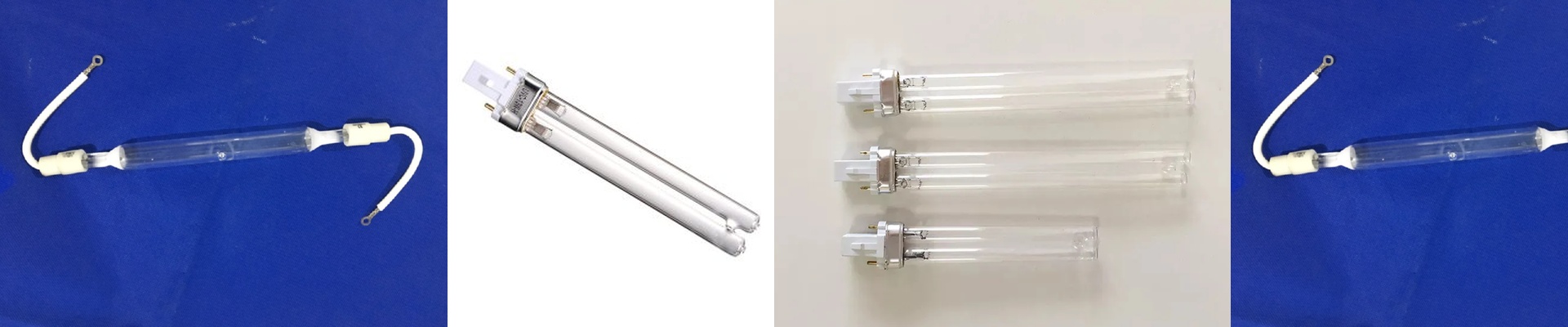
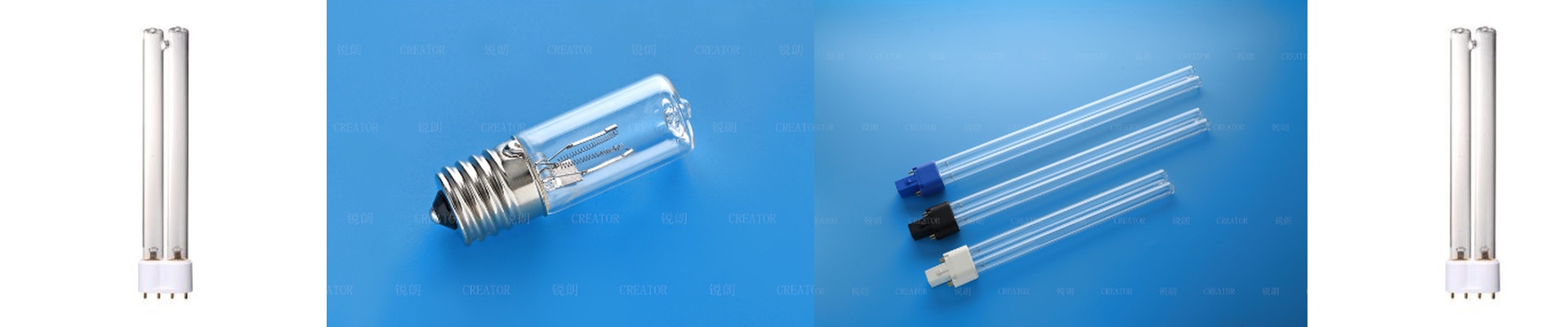
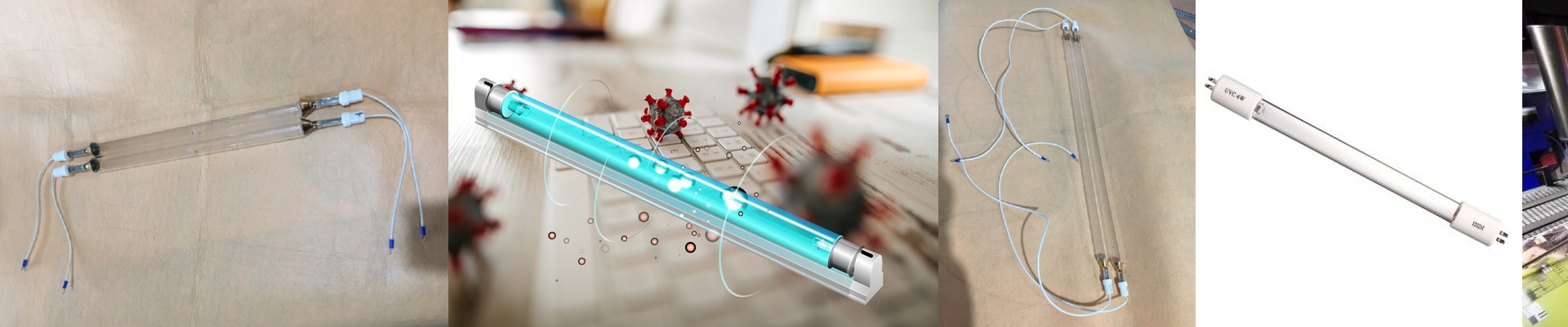
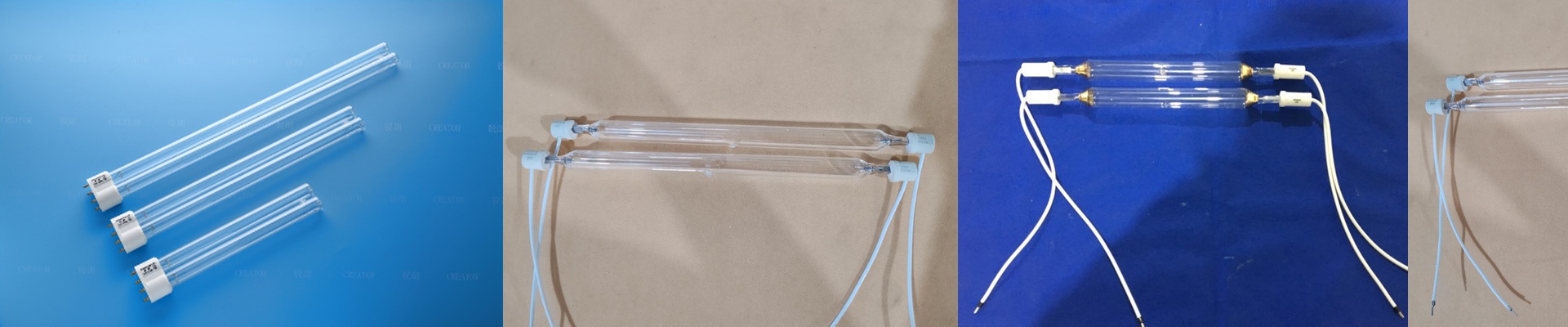
A lot of people look at a CE logo and just see a piece of paper. A formality. Something to check off a list so the lawyers are happy. But when you’re actually on the factory floor, it’s a different story. For us, building UV curing lamps isn’t just about making them light up. It’s about making sure your hardware doesn’t give up the ghost right in the middle of a massive production run.
The scary stuff: Safety and “Noise”
UV lamps are beasts. They use high-frequency power and pump out intense radiation. If the wiring is sloppy or the insulation is cheap, you’re looking at electrical leaks or terminals that just snap under pressure. We spend a lot of time on the circuit design specifically so you don’t have to worry about that. Then there’s the “noise”—what the engineers call Electromagnetic Compatibility (EMC). Think about it. Your UV lamp is probably sitting right next to your PLCs and sensors. If that lamp is leaking electromagnetic interference, it’s like someone screaming in a library. It trips your sensors. It crashes your controller. It’s a nightmare to troubleshoot. We use heavy-duty shielding to keep that noise locked inside the lamp, so your signal cables stay clean and your line keeps moving.
The “Insurance” Factor
If you’re working with big OEMs in Europe or North America, they aren’t even going to look at a component if it isn’t certified. It’s their safety net. Imagine a lamp burns out or, heaven forbid, starts a fire. The first person who walks through that door is the insurance auditor. They don’t care how “good” the lamp felt; they want to see the certification. Without it, you’re on your own.
The Price of Doing it Right
Here is the catch: doing this right costs more. We have to use higher-grade capacitors. We use more expensive shielding materials. Because of that, our units cost more than those cheap, non-certified clones you see floating around. But look at it this way. You can save a few bucks upfront, or you can avoid the headache of rewiring your entire electrical cabinet because your “bargain” lamp is messing with your sensors. We build these to be drop-in replacements for global assembly lines. The CE mark is just our way of saying the physics actually work and the engineering is solid.