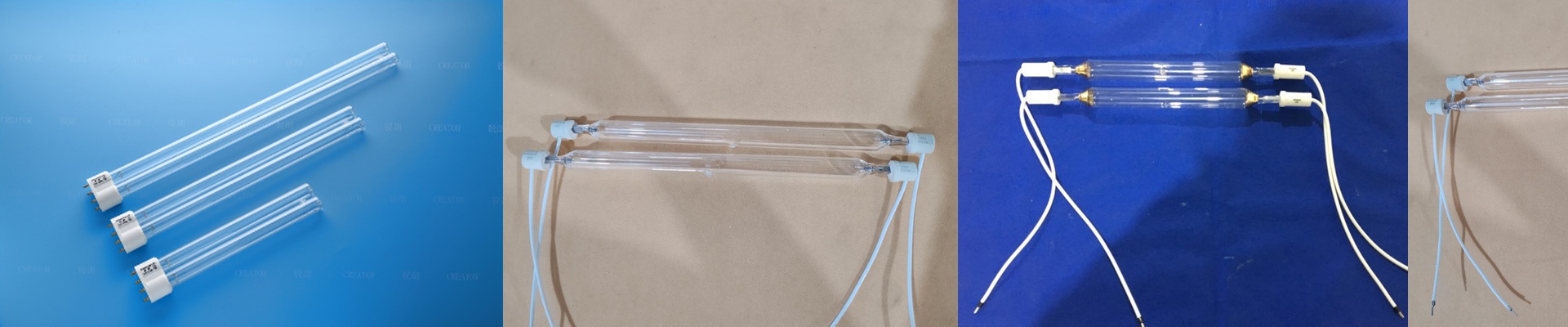
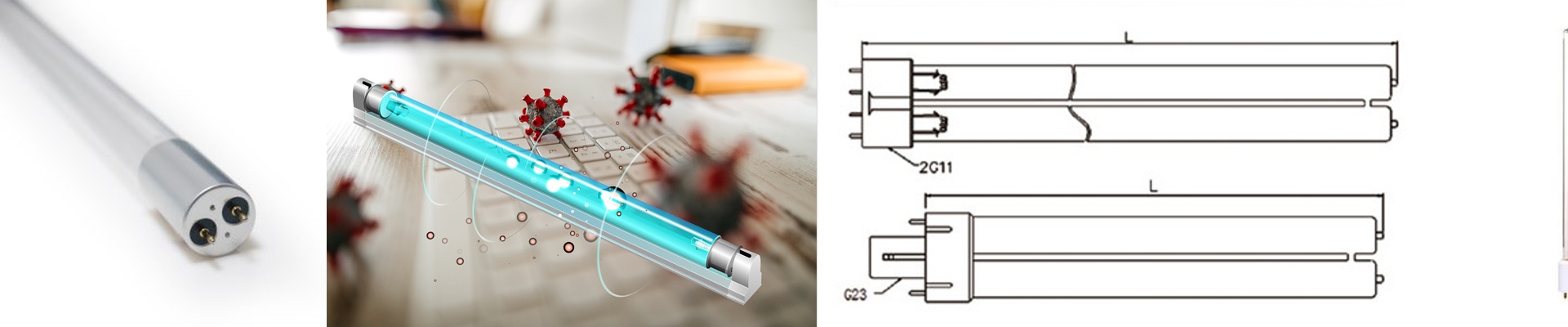
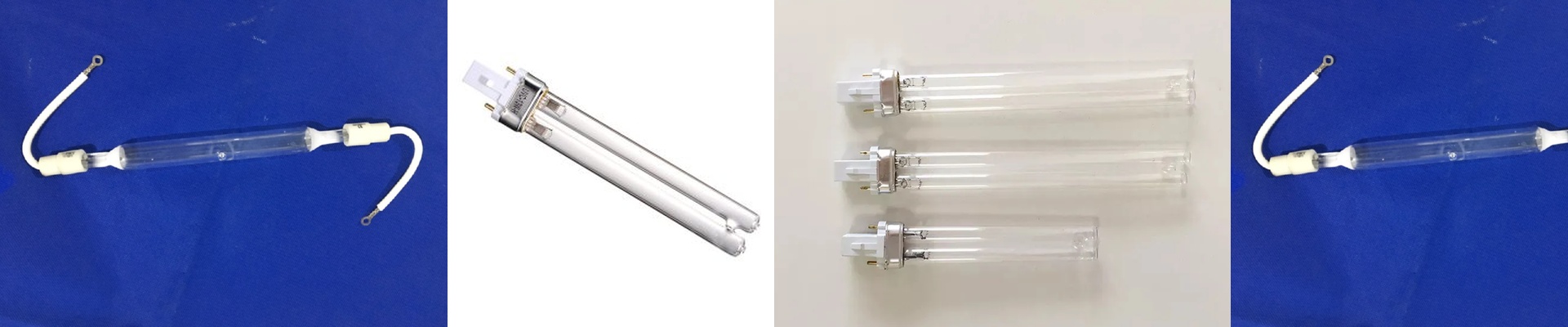
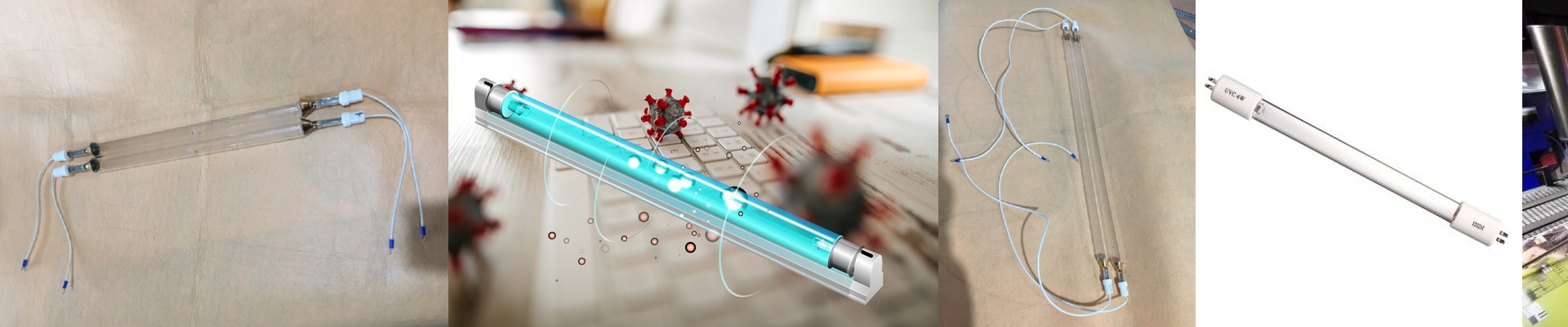
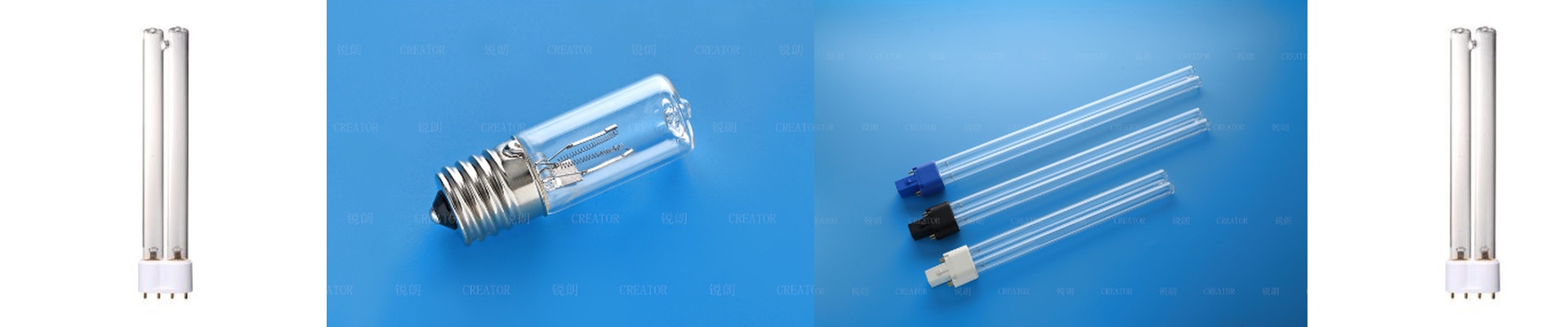
The Real Deal on Quartz UV Tubes
Look, we do more than just blow glass. Our whole focus is on the nitty-gritty details of spectral output. If you’re running a lab or a production line, you know how it goes. A tiny shift—even 5nm—can be the difference between a perfect batch and a total disaster. Whether it’s a sterilization cycle that fails or a product that won’t cure, those few nanometers matter.
Getting the Light Right
We start with high-purity fused silica. Why? Because regular glass basically acts like a wall to UV radiation. To hit those specific shortwave or longwave targets, we play with the dopants in the quartz melt and get really precise with the gas fill pressure. It’s all about the match. If you need 254nm to kill germs or 365nm for curing, we tune the electrodes and the arc physics. The goal is to get rid of the “stray” wavelengths that just get in the way.
The Heat Struggle
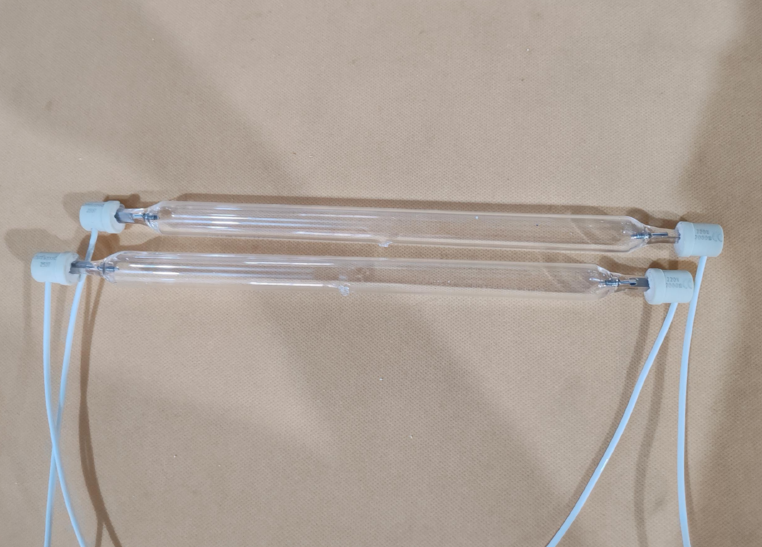
UV lamps get hot. Like, really hot. The energy needed to push out that UV light creates massive temperature swings across the tube. It’s a balancing act. We make the walls thin enough so the UV rays can actually get out, but thick enough so the whole thing doesn’t shatter the moment it hits a thermal shock. And a heads-up: the higher the wattage, the more you need to worry about cooling. If your airflow is sluggish, the quartz softens, the arc drifts, and your wavelength shifts. Then you’re back to square one.
Making Them Work for You
We build these to be simple drop-in replacements. No fussing around. We keep the length and pin alignment tight so they just slide right into your sockets. But here is the thing: because we push for such high purity, these lamps are incredibly sensitive. Please, use gloves. A single fingerprint on the quartz can actually bake into the glass during those first few hours of use. That creates a “hot spot” that ruins the UV transmission and kills the lamp early. It’s a small mistake that costs a lot of money.