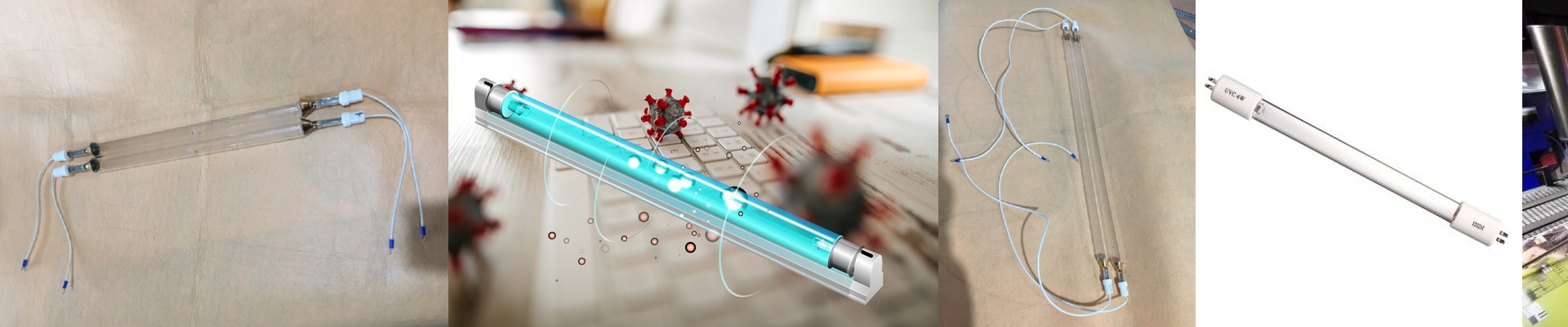
Why we built the Gallium Iodide UV Module
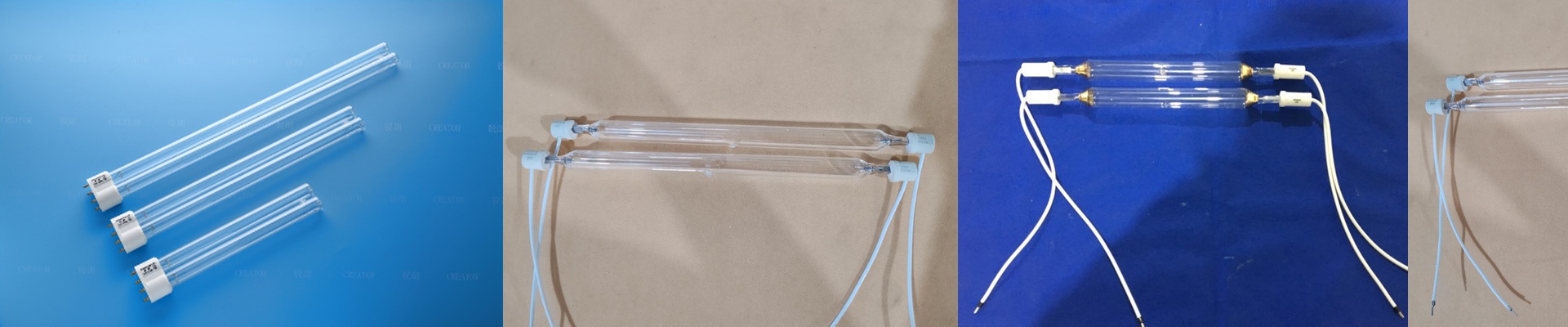
At the 2026 Printing Expo, people kept circling back to our custom Gallium Iodide (GaI) modules. Here is the thing: these aren’t your typical off-the-shelf bulbs. We built them for those nightmare jobs where standard mercury lamps just can’t cut it—specifically when you’re dealing with thick ink layers or materials that melt if they get too hot.
Getting the light where it actually matters
Traditional mercury vapor lamps have a habit of only curing the surface. You get that “skin-over” effect where the top looks great, but the bottom is still gooey. We fixed that by shifting the spectrum toward longer UV-A and UV-B wavelengths. It sounds technical, but it basically means the light actually digs deep into the ink. You get a full cure, all the way through. But you can’t just crank the power. If you go too far, you’ll scorch your substrate. We spent a lot of time balancing the electrical load so you get a stable plasma arc without turning your quartz envelope into a heater. It’s a delicate balance, but it’s what lets you run your lines faster without ruining the product.
The build (and the heat)
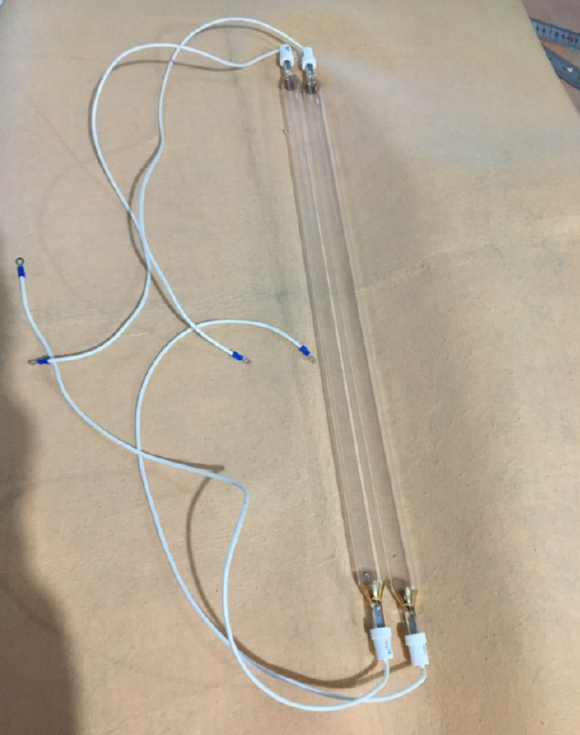
We use high-purity fused quartz. Why? Because nothing is more annoying than a lamp that clouds over after a few hundred hours. This keeps the light clear and the output consistent. Plus, we made them drop-in replacements. They fit right into your existing chassis, so you don’t have to rip out your whole setup. One warning, though: these things runhot. If your cooling fans or water loops aren’t up to the task, your UV output will tank as the temperature climbs. You can’t skip the heat sinking here. It’s just not an option.
Making it work on the shop floor
We wanted the installation to be a non-event. That means standardized connectors and reinforced leads to stop those annoying arc-overs at the base. You just wire it up and get back to work. No need to redesign your power supply or call in a specialist. And since printing presses shake—a lot—we reinforced the end-caps. These modules can take a beating in a loud, vibrating industrial environment and they just keep humming along.