Getting Your PCB Exposure Right with Gallium Iodide Lamps
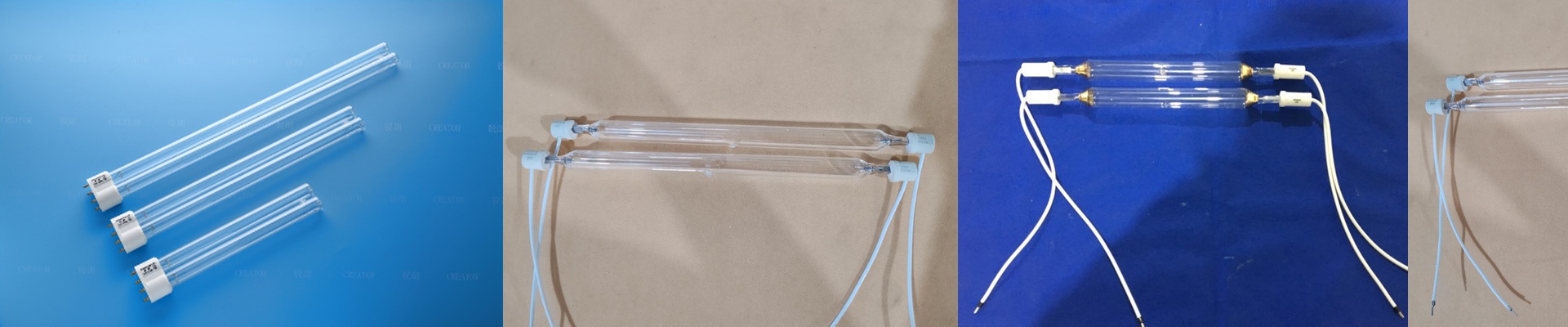
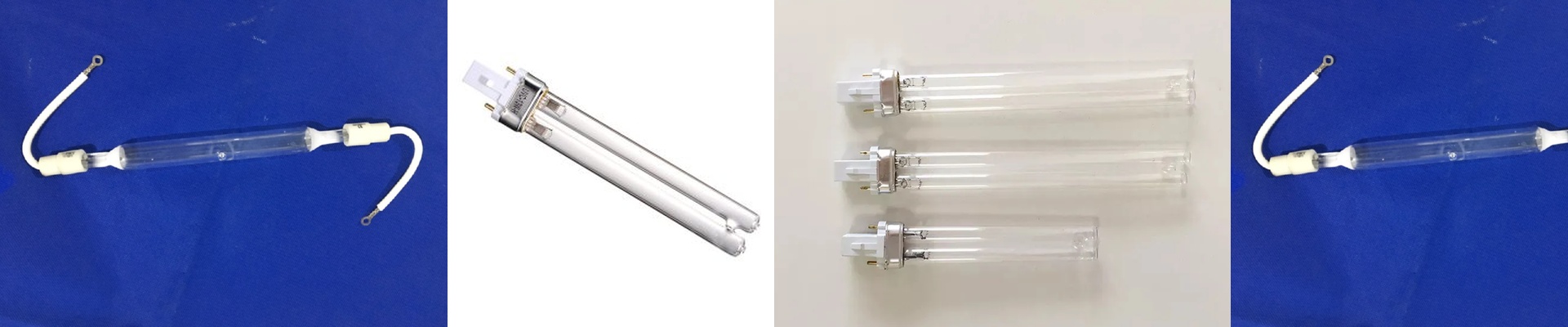
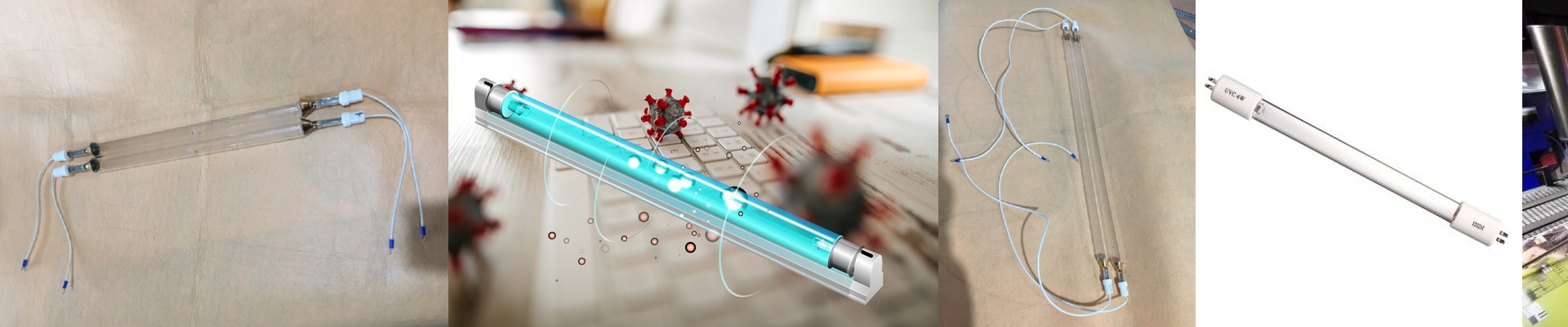
If you’re doing high-precision PCB work, you know the struggle of getting those traces exactly where they need to be. That’s where Gallium Iodide (GaI) lamps come in. Unlike those broad UV lights that throw energy everywhere, GaI lamps focus right in on the 300nm to 350nm range. It’s the sweet spot. It triggers the photoresist exactly how it should without scorching your substrate. The trick is in the timing and the light. Here’s the thing: the physics of the halide cycle keeps the output stable and intense. We aim for the exact absorption peak of your photoresist. Why? Because if that wavelength drifts even a little bit, you’re in trouble. You’ll end up with under-exposed traces or those annoying “bleeding” edges. If you’re working on high-density interconnect (HDI) boards, you just can’t afford that kind of sloppiness. Let’s talk hardware. You’ll usually see these lamps tucked into vacuum frames or moving through conveyor systems. We use high-purity quartz for the envelopes. Don’t let anyone talk you into using low-grade glass. Cheap glass just sucks up the UV energy, turns it into heat, and pops the tube way before its time. And a word of advice on the wiring: watch your ballasts. It’s tempting to over-drive the lamp to speed things up, but that’s a trap. You’ll kill the lifespan of the bulb and shift the spectral peak. It’s all a balancing act between wattage and how long you’re exposing the board. The reality of the shop floor. GaI lamps are fast. They get the job done quickly. But they runhot. You can’t just plug them in and forget about the heat. If your chiller or airflow isn’t up to the task, the lamp’s output will start to dip as the temperature climbs. You’ll notice it when your etching looks inconsistent from one batch to the next. Keep an eye on those operating temps. It’ll save your electrodes—and your sanity.