Getting Your Wavelengths Just Right with High-Pressure Mercury Lamps
When we build these lamps, we aren’t just trying to make something that glows. We’re aiming for specific spectral peaks. Most of the time, if you’re curing materials or sterilizing a surface, you want as much UVC as possible without melting everything in the process. Our R&D team spends a lot of time messing with the plasma chemistry inside the quartz. The goal? Making sure you get the exact photon energy needed for those molecules to actually link up and harden.
Pressure, Power, and the Balancing Act
Here’s how it works: we compress mercury vapor to shift the emission spectrum. By tweaking the internal pressure and the wattage, we can dial in the intensity of those 254nm and 365nm lines. Now, you could spec a lamp with higher wattage in a shorter tube to crank up the power density. That’s great for your bottom line because your conveyor belts can run faster. But there’s a catch. It puts a lot more stress on the quartz. It’s a constant trade-off between how much light you’re hitting the product with and how often you’ll have to replace the bulb.
The Hardware Side of Things
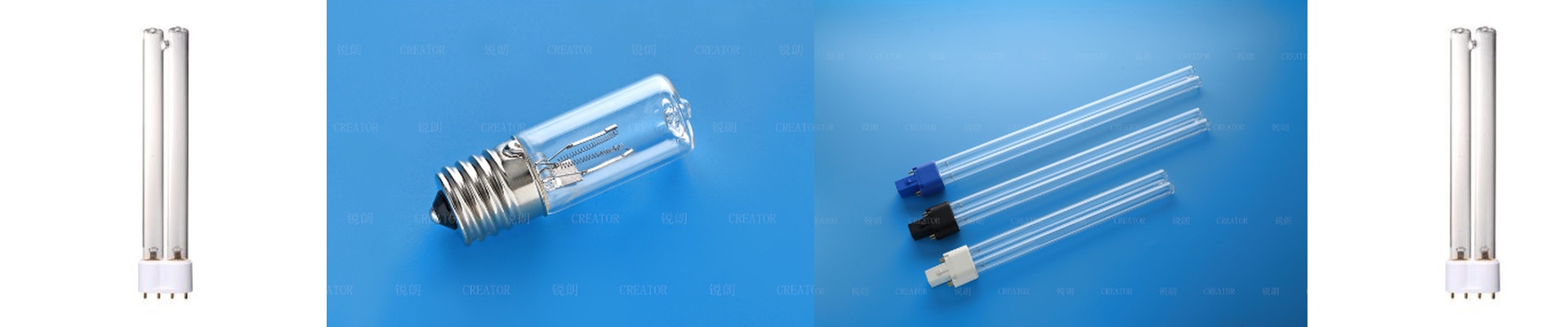
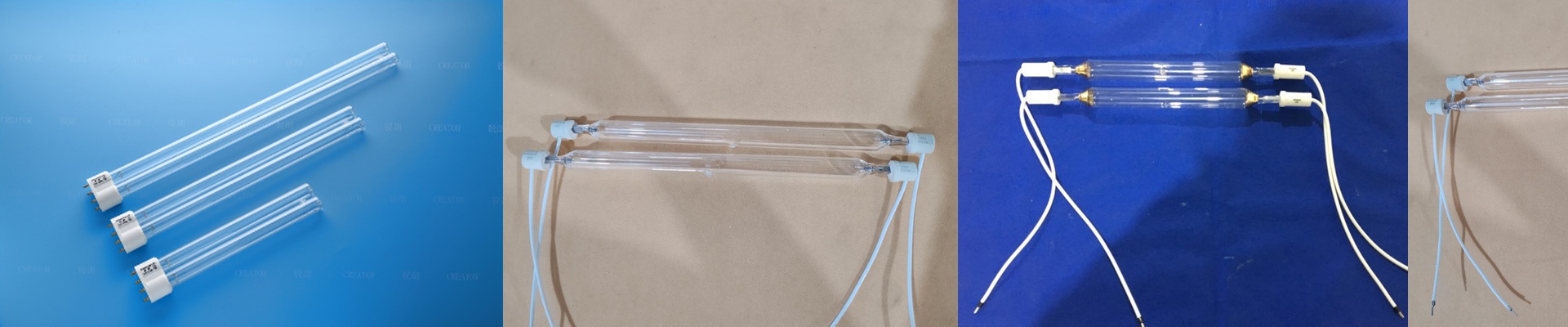
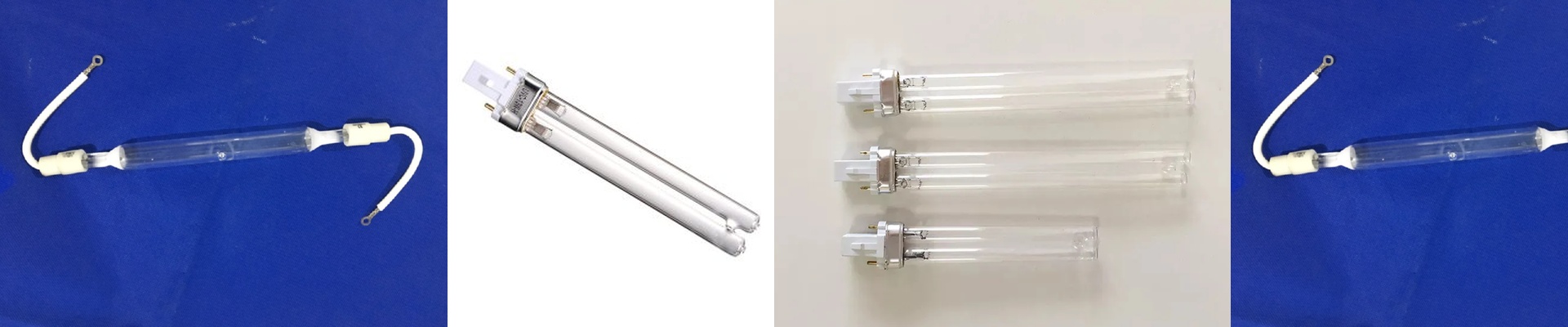
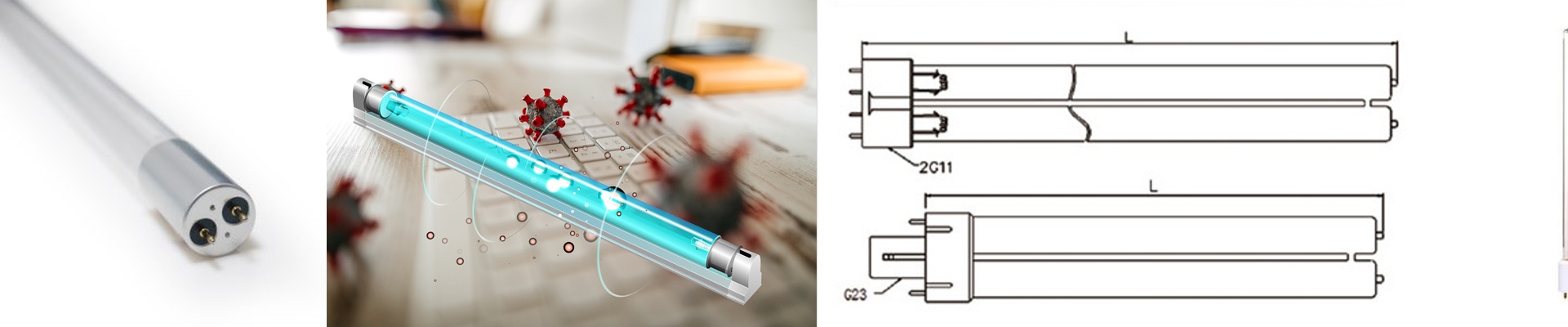
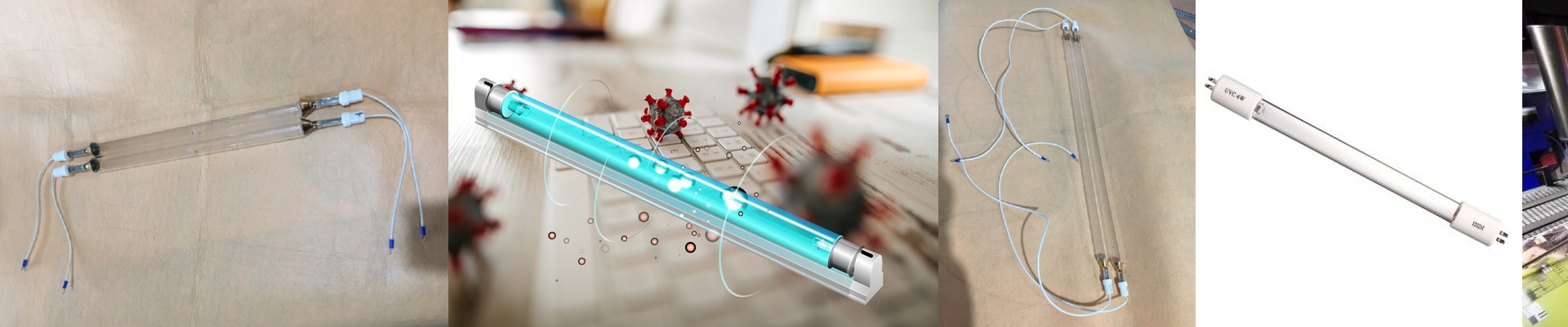
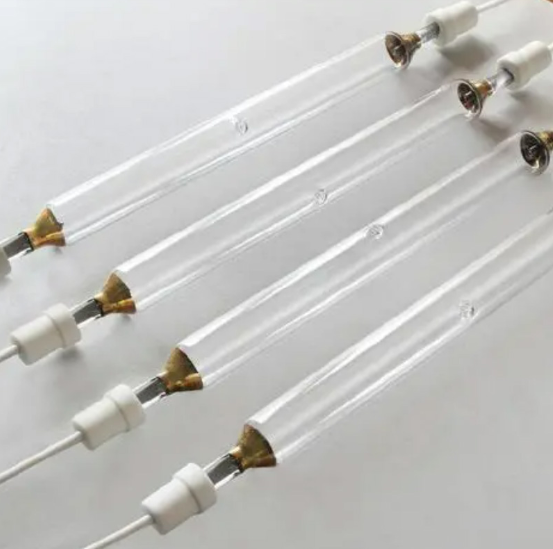
We use high-purity fused quartz because cheap glass is basically a wall to UVC—it just blocks it. Our quartz lets the light fly right through. We also put a lot of thought into the electrodes. Most lamps fail at the ends of the tube—they just burn out. We’ve tuned ours to stop that from happening. Plus, we use standard connectors. They just slide right into your existing rigs. No fuss. And because they fit snugly, you don’t have to worry about arcing at the base, which is a quick way to fry your ballast.
The Heat Problem
The thing about high-intensity UV is that it creates a ton of infrared heat. If you’re running these lamps at full tilt, your cooling system needs to be up to the task. If you don’t have enough airflow or a solid water-cooling setup, the quartz gets too hot. When that happens, your spectral output shifts and the lamp dies way sooner than it should. We build them for maximum power, but keeping them alive depends on how you handle the heat on your shop floor.