Getting Your UV Curing Right
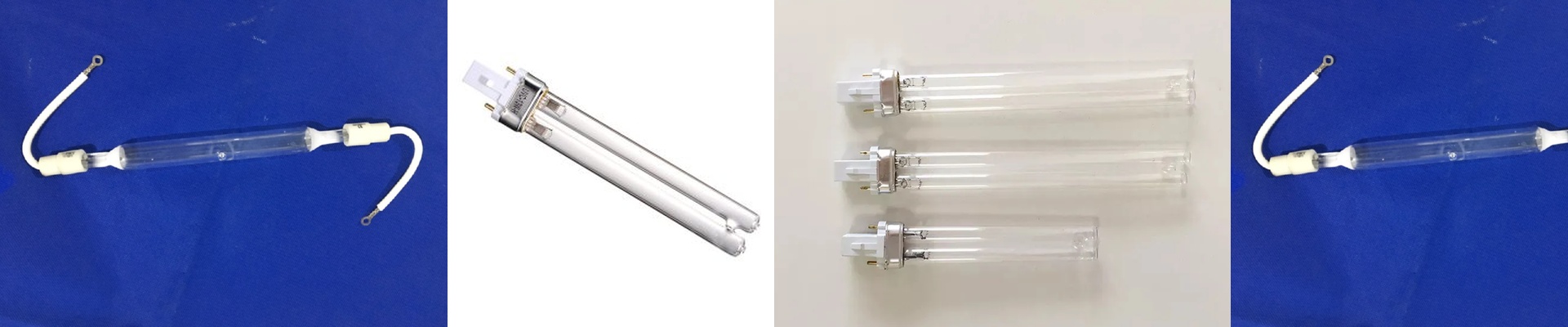
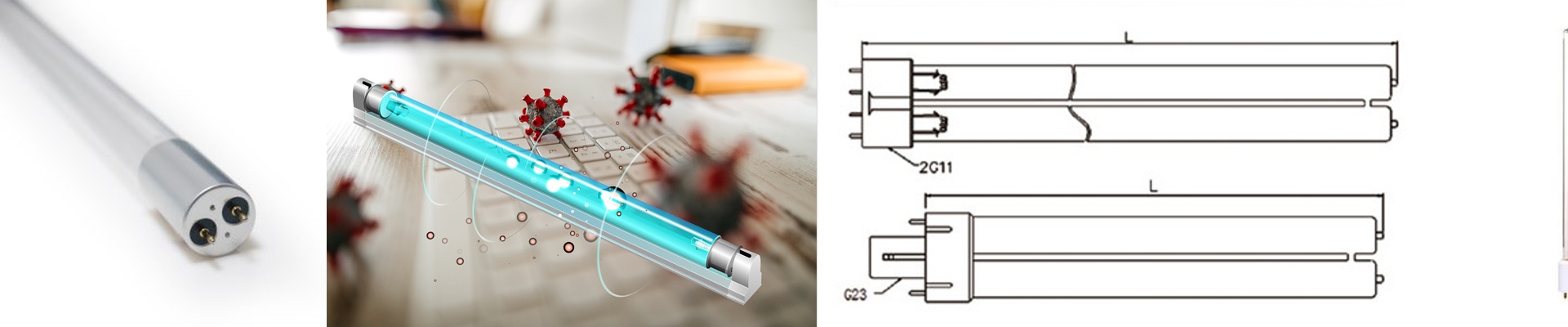
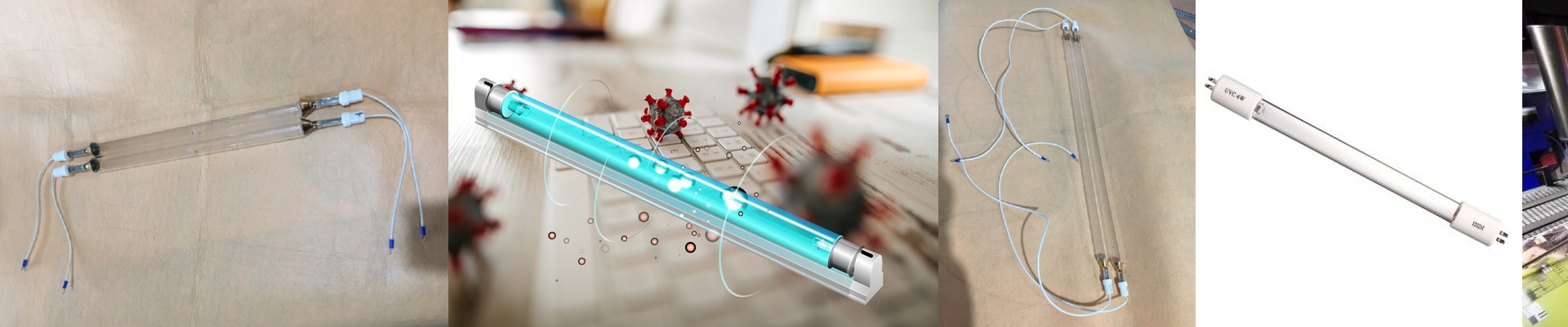
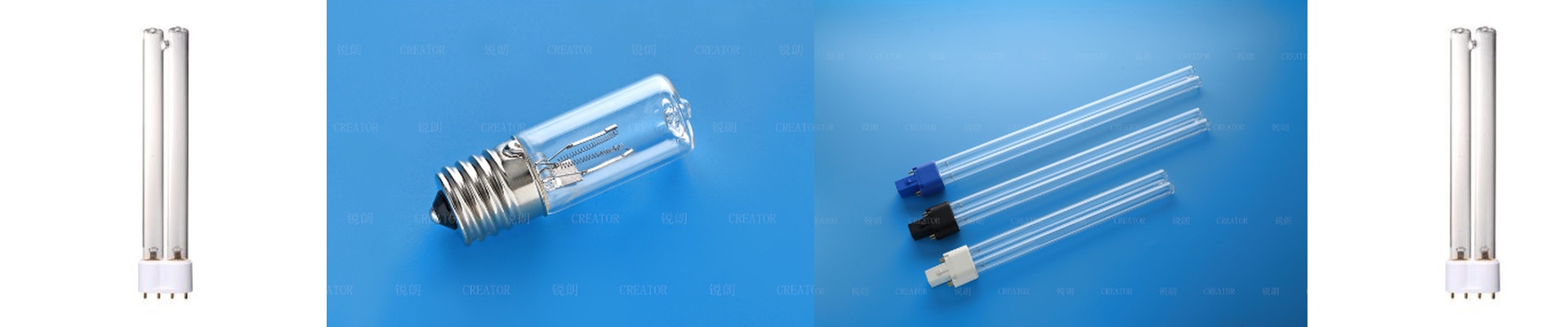
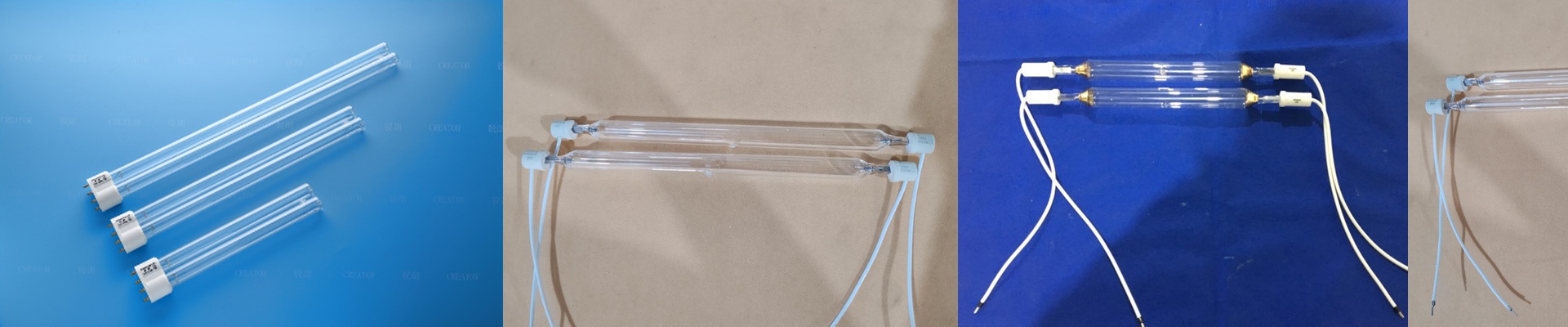
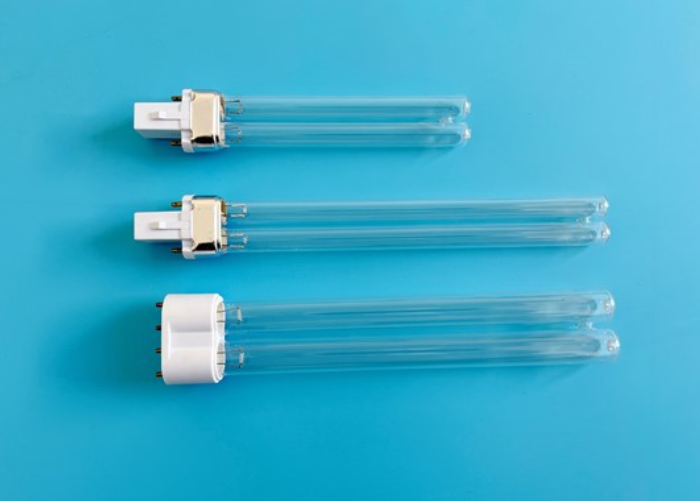
Let’s get one thing straight: in the printing world, we talk about “drying” ink, but that’s not actually what’s happening. It’s more like a chemical spark. We provide the light energy that tells the ink to snap together and turn into a solid film. If your spectral output is off? Your ink stays tacky. Your prints get ruined. It’s a nightmare. The balancing act of power If you want to keep up with the speeds we’re seeing these days, you need some serious wattage density. We focus on a concentrated UVC/UVB output because that’s what gets the job done. But here is the tricky part. If you go too low on wattage, your line slows to a crawl. If you crank the voltage too high without a solid ballast, you’ll fry your electrodes. It’s all about finding that sweet spot where the lamp stays stable and your conveyor keeps moving. Dealing with the heat We use high-purity quartz for our envelopes. Why? Because it lets the most UV light through. These tubes take a lot of abuse—heat, vibration, you name it. That’s why we make them as simple “drop-in” replacements. No one wants to spend half a day on downtime. Just a heads-up: these things gethot. Like, really hot. High-output lamps throw off a ton of infrared heat. If your cooling fans or water-jackets aren’t up to the task, you’re going to see your substrates warp or your ink blister before it even cures. Keeping it running Wiring these units isn’t something to rush. We obsess over the connectors because the last thing you want is arcing at the lamp head. And do yourself a favor: check your reflectors every few months. It sounds simple, but a bit of dust on that aluminum mirror can kill your irradiation by 30%. Keep them clean, keep your ballast voltages steady, and your tubes will actually last as long as they’re supposed to.