Getting UV Lamps Right in Your Textile Line
Most people think UV lamps are just for that final “set it and forget it” cure at the end of the line. But in reality? They’re doing the heavy lifting everywhere. From the moment you’re treating raw fibers to the second a garment is finished, it’s all about managing that energy.
The Nitty-Gritty of the Process
When you’re starting out, you might use UV to bond fibers or fix surface tension. But here’s the thing: you can’t just grab any lamp off the shelf. A thin coating needs one wavelength, but a thick, heavy weave? That needs something completely different to actually penetrate the fabric. We look at your line speed first. If your conveyor is flying, we crank up the power density. Otherwise, the fabric leaves the chamber before the chemistry has a chance to actually happen.
Building Something That Actually Works
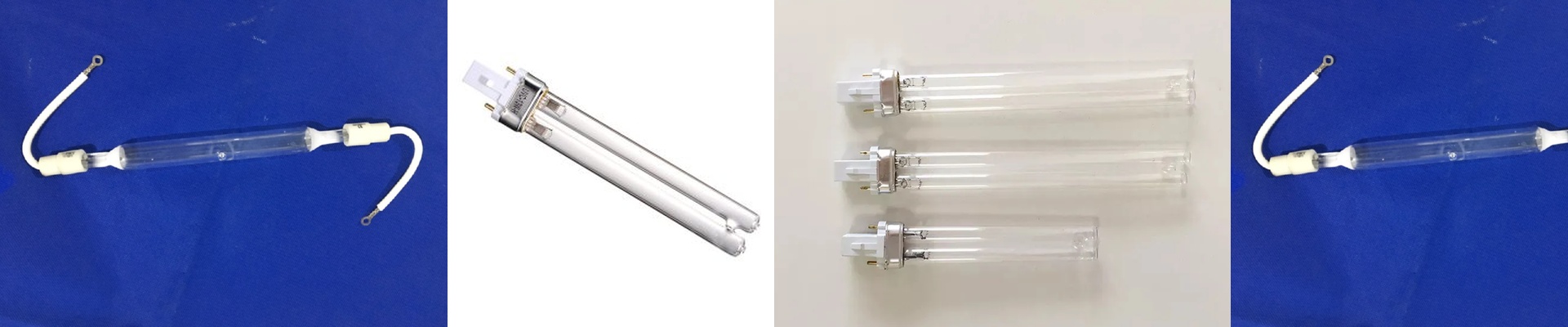
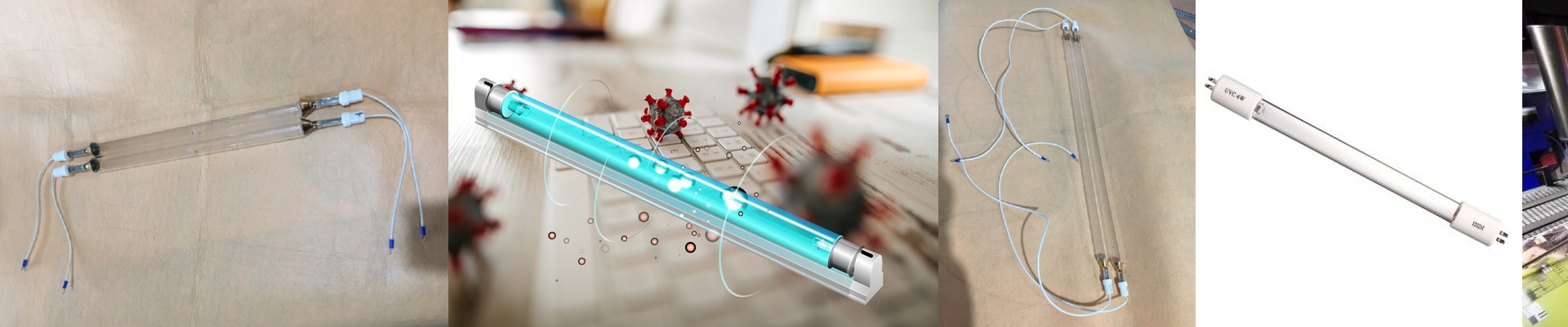
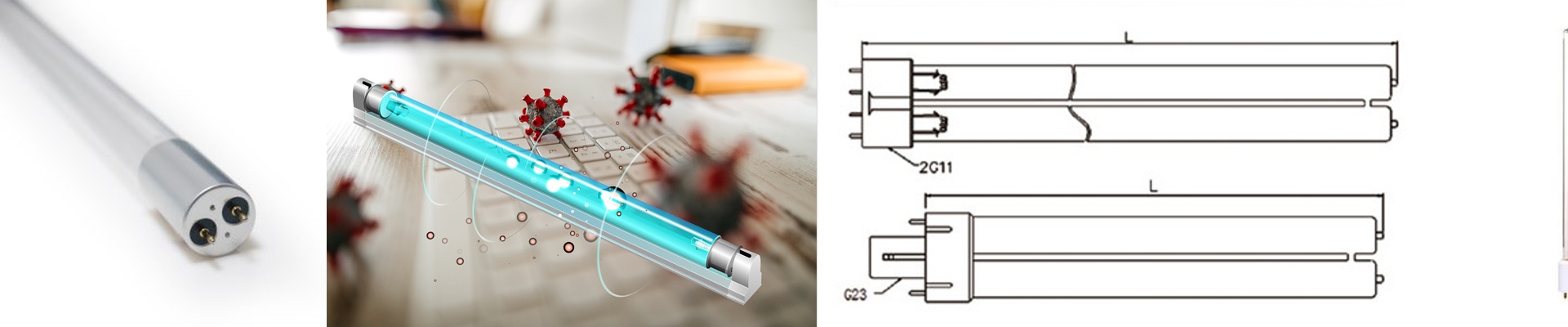
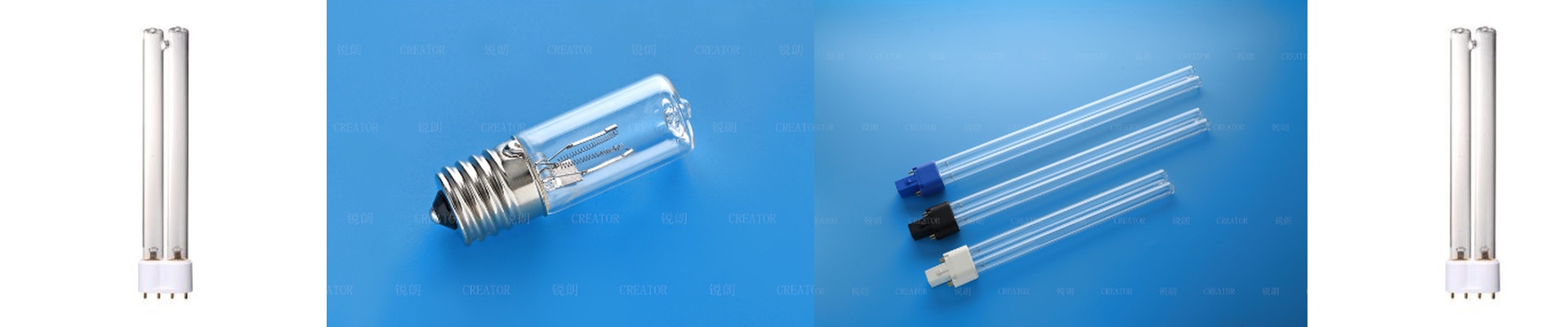
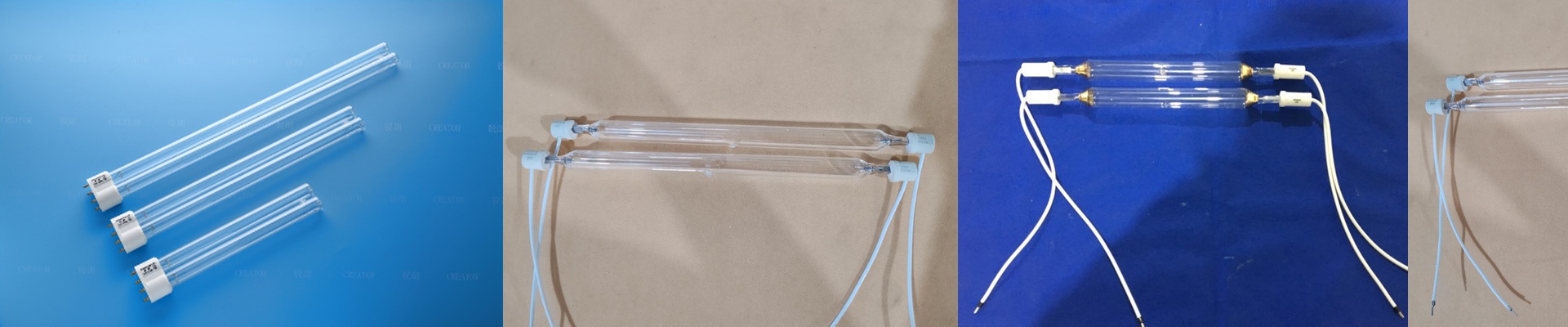
Custom setups let us play with the light spectrum. Take textile printing, for example. We use narrow-band UV because the last thing you want is to melt your fabric. We use special quartz glass to filter out the infrared heat. It keeps the ink curing perfectly while the fabric stays cool to the touch. No scorch marks. No ruined batches. But you have to be careful with the power. Sure, a high-wattage lamp speeds things up, but it puts a lot of stress on your ballasts. If you push it too hard, the fabric gets brittle. It loses that soft feel. To fix that, we usually set up a tiered array of lamps. It creates a gradual cure that’s much kinder to the material.
The Real-World Trade-offs
Fitting these into an existing factory floor is always a puzzle. Space is tight. We build the housings to make sure no UV light leaks out—because your team’s safety isn’t something to mess with. And remember: more power equals more heat. If your cooling fans or water-jackets aren’t up to the task, your lamps are going to die young. I’ve seen way too many expensive tubes burn out early just because someone treated the ventilation as an afterthought.