Getting UV Lamp Quality Right for OEM Systems
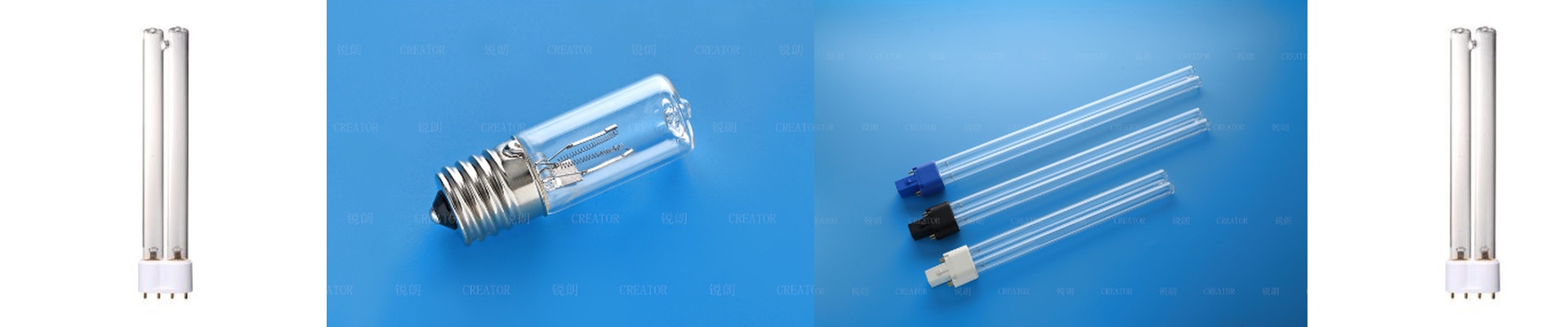
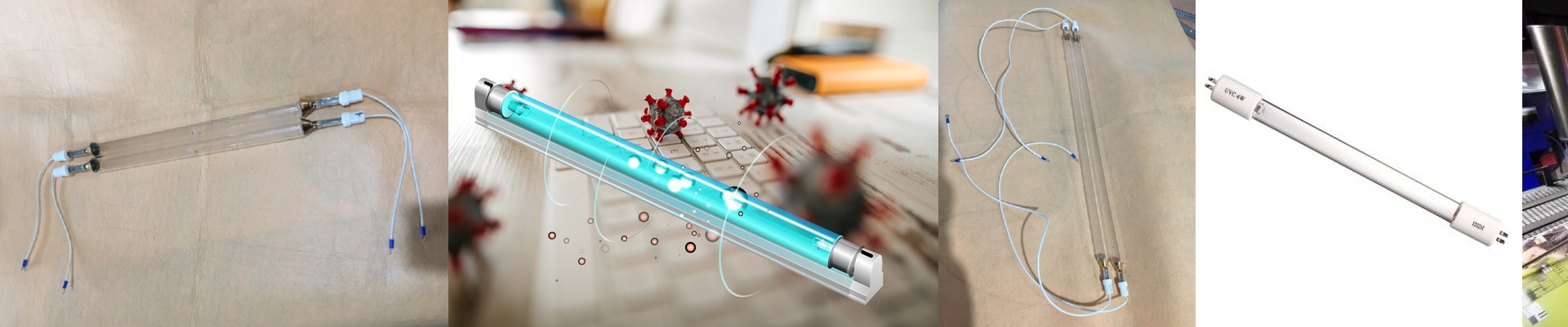
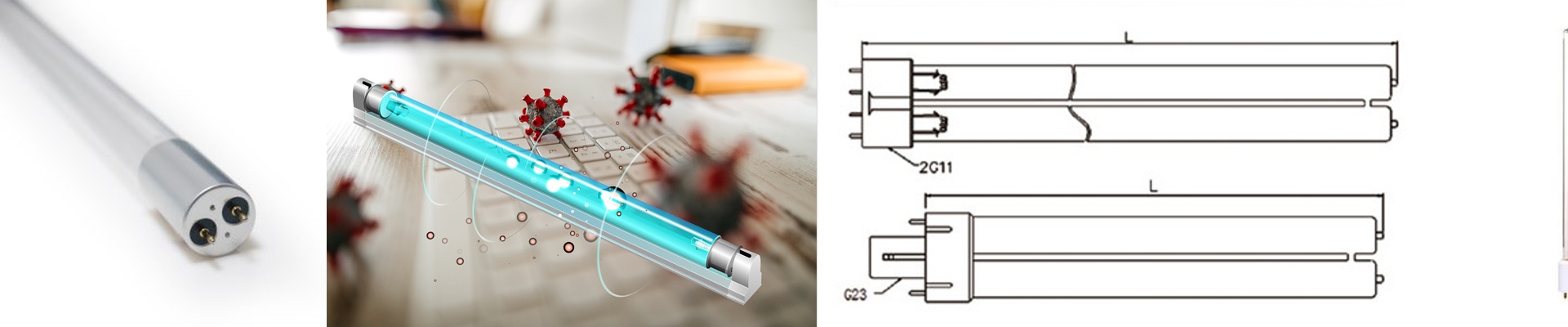
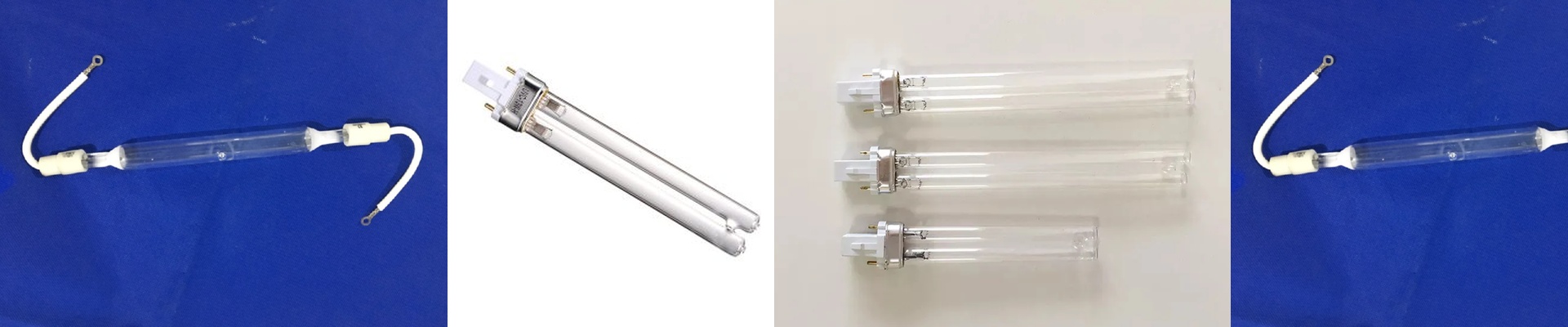
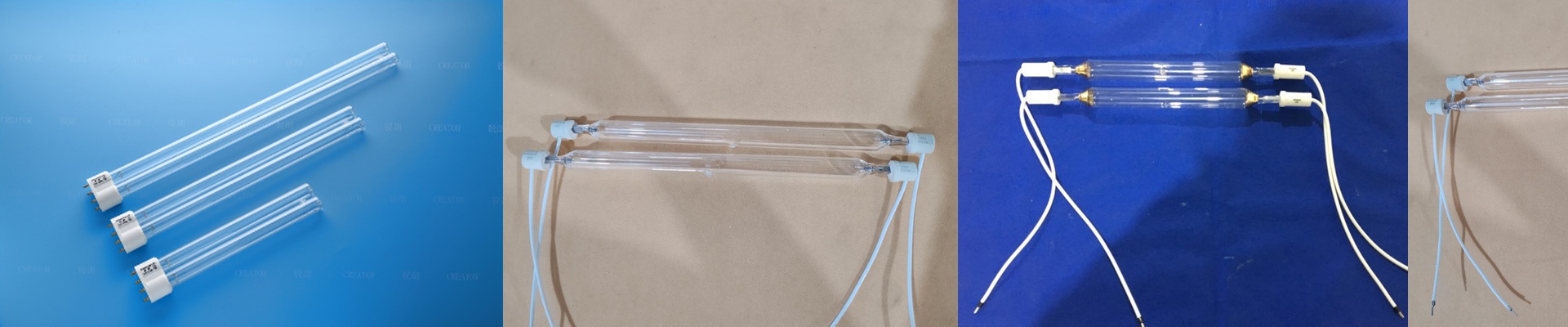
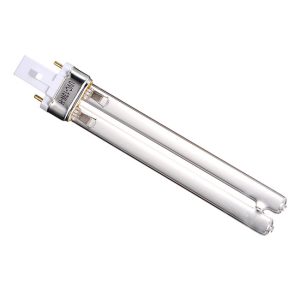
We spent 15 years figuring this out. We started with basic white-label assembly, but we eventually realized that just “putting things together” wasn’t enough. We had to move into precision engineering. If you’re building OEM or ODM systems, you know the struggle. There’s a massive difference between a generic UV lamp and one that actually holds up in an industrial setting. It usually comes down to two things: how stable the light is and how the lamp handles heat. The truth about output stability Most people just look at wattage. But wattage is only half the story. The real secret is in the arc discharge and the purity of the quartz. If the gas mix is slightly off or the electrode material is cheap, you get “hot spots.” Those are killers. They eat through the tube and cause it to burn out way too early. We keep our tolerances incredibly tight. Why? Because if you’re running a high-speed curing line, you can’t have “missed spots.” You need the same amount of UV hitting every single centimeter of your product. Otherwise, you’re just dealing with under-cured patches and wasted material. The heat struggle We use high-transmittance fused quartz to get the most UV-C and UV-B possible. Sometimes we add special coatings to shift the spectrum or just to keep chemical splashes from ruining the glass. But here’s the catch: power density creates heat. Lots of it. A high-wattage lamp is great for fast curing, but it puts a ton of stress on your reflectors and fans. If your housing isn’t built to breathe, the lamp life just plummets. We don’t just sell you a bulb; we help you match the wattage to what your machine can actually handle without overheating. Making it work on the shop floor We design for the people actually using the gear. Whether you need a weird pin configuration or a custom length, we build our lamps to be simple drop-in replacements for the big international brands. That means no messing around with your ballast. No redesigning your lamp holders. No headaches. You just swap the component and get back to work. Plus, we give you the raw data on spectral distribution and decay rates. That way, you can dial in your line speed perfectly and know exactly when it’s time for a change.