Let’s Get Your UV Brand Actually Working
Building a UV brand takes a lot more than just a fancy logo. If you don’t nail the wavelength and power density, you’re in trouble. Your lamp might not kill the microbes it’s supposed to, or worse, it could torch the very thing you’re trying to cure. That’s where we come in. We build the hardware; you tell us exactly how you want it to perform.
Getting the Specs Right
Usually, you’re looking at one of two paths: killing germs (UV-C) or curing resins (UV-A/B). If you’re in the sterilization business, we aim for that 254nm peak. It’s the sweet spot for disrupting DNA. But if you’re building industrial adhesive lamps, we shift things around to make sure the light penetrates deeper into the material. Then there’s the wattage. A small tube is fine for a simple water filter, but if you’ve got a conveyor belt moving fast, you need some serious muscle. One quick tip: make sure your ballast matches the lamp’s voltage. If you push too much power through the tube, you’ll fry the electrodes and kill the lamp’s lifespan way faster than you should.
The Hardware Side of Things
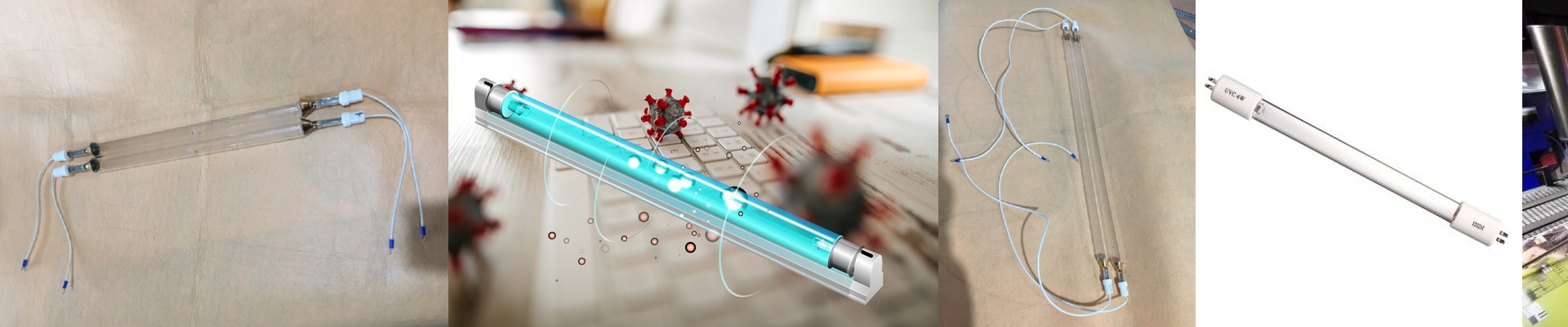
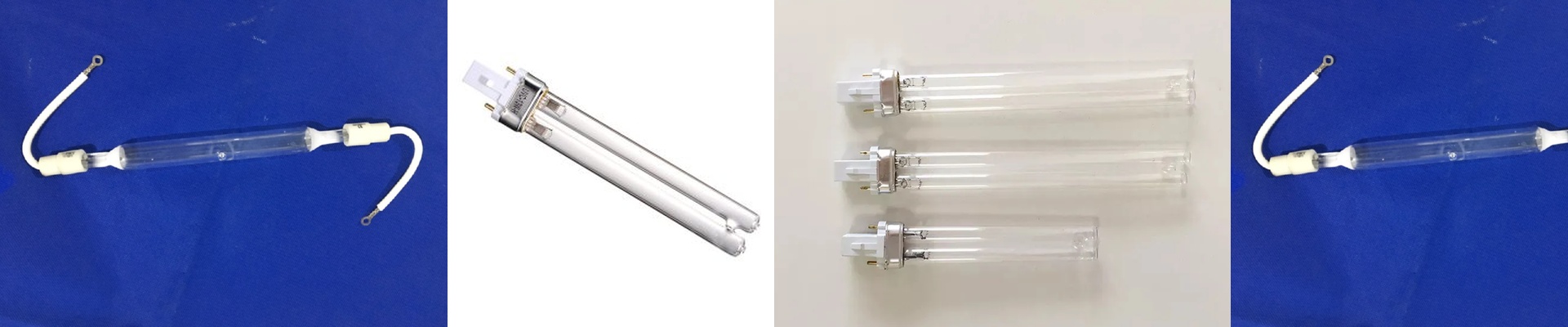
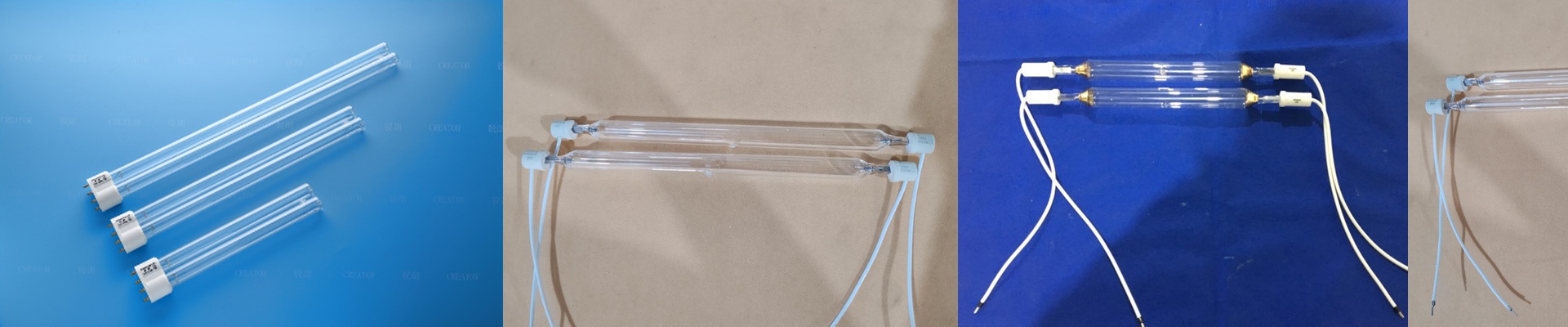
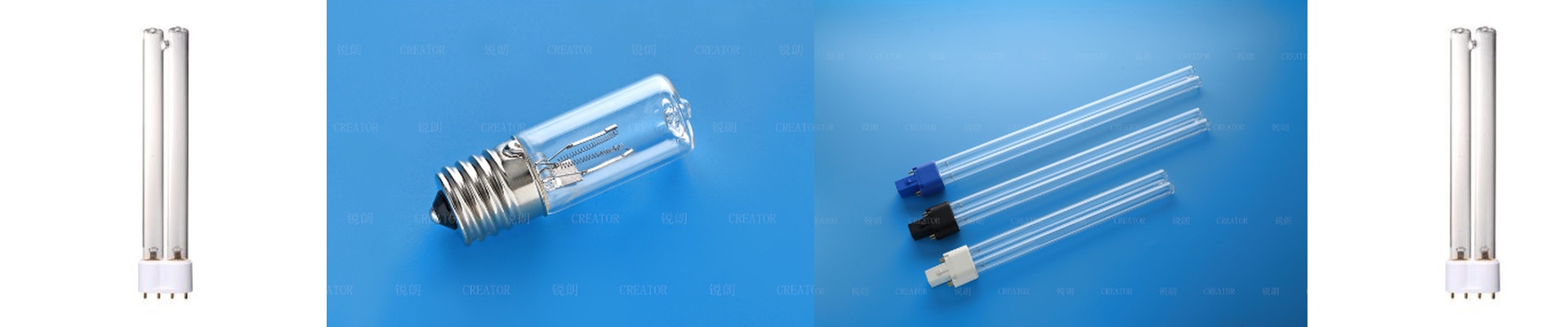
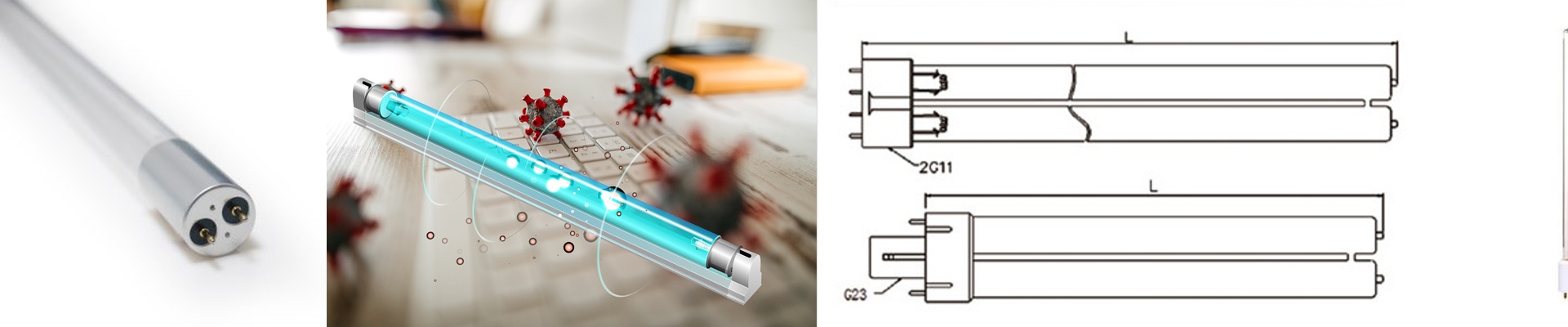
We can build these to fit almost any machine footprint. Whether you need open-end tubes or capped designs, the fit has to be spot on. If there’s a gap, light leaks out. And let’s be honest—UV leakage is a safety nightmare you just don’t want. You can also pick your glass and coatings. Doped quartz is great for boosting output in certain bands, but it does change how the lamp handles heat. We take care of all the wiring and connectors, so when your customers get the lamps, they just slide right in. No fuss.
The Big Trade-off
Here’s the thing: more intensity means faster cycle times. That sounds great on paper. But there’s a catch. High-power lamps gethot. Really hot. If your housing doesn’t breathe or lacks a good cooling system, the temperature will spike. When that happens, your spectral output shifts and your efficiency tanks. To keep things stable, you’ve got to size your cooling fans based on the total wattage of the array. Get the airflow right, and everything else just clicks.