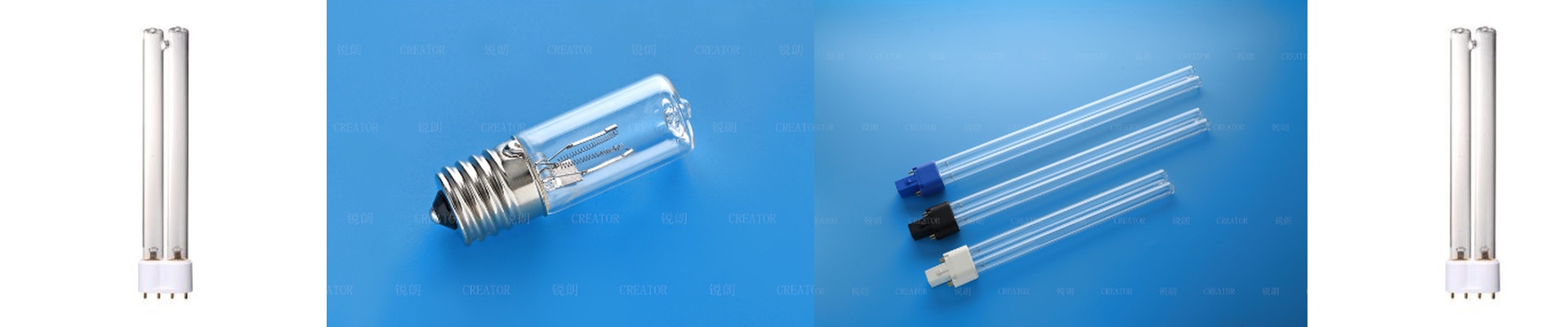
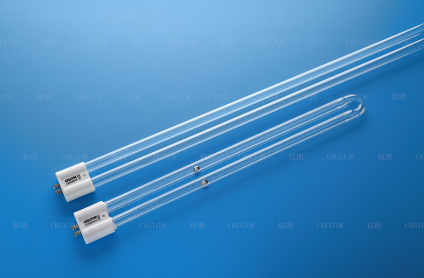
Let’s Talk About Custom UV Curing
Here is the truth about UV curing lamps: they aren’t just parts you plug in and forget about. They’re more like precision tools. If they aren’t dialed in perfectly, they just don’t work. We spent 15 years learning this the hard way. We started out selling other people’s white-label gear, but eventually, we realized we wanted to build lamps that could actually go toe-to-toe with the biggest international brands.
The Balancing Act: Power vs. Heat
Getting the light intensity right is a bit of a tightrope walk between wattage and voltage. When we’re designing a lamp for you, we’re looking closely at the spectral distribution. If we push more voltage, you get a more intense arc. That means more UV hits your material, and your line speeds can move faster. But there’s a catch. More power means more heat. If your cooling blowers aren’t up to the task, you’re looking at warped materials or bulbs that burn out way too soon. It’s all about finding that sweet spot.
The Nitty-Gritty of Materials
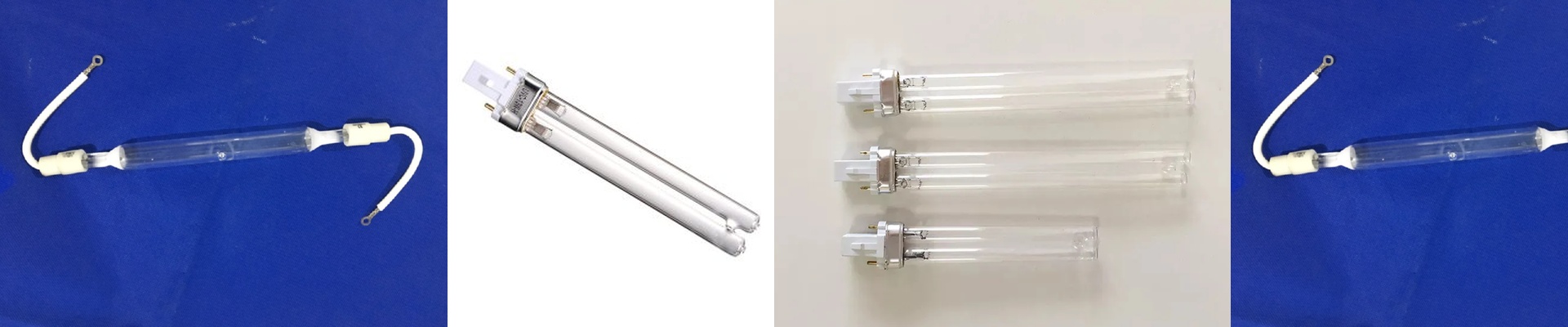
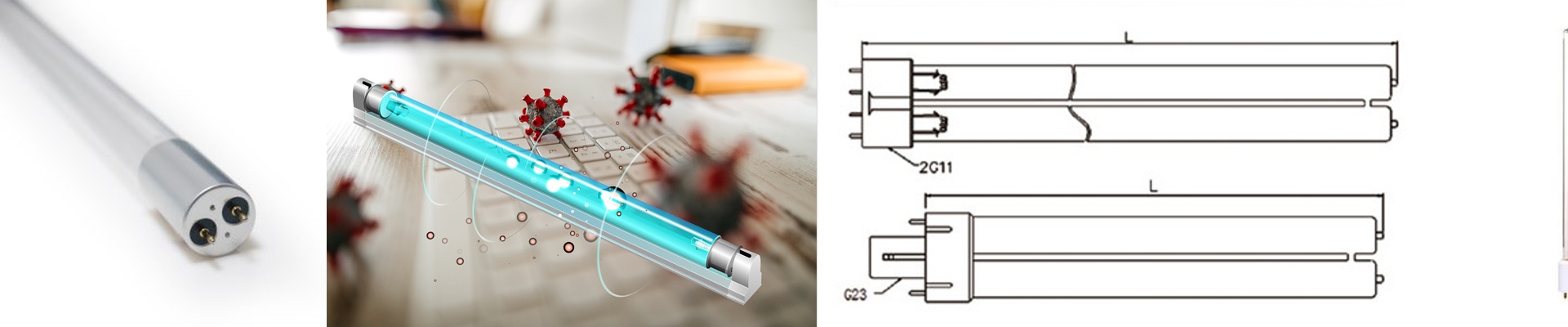
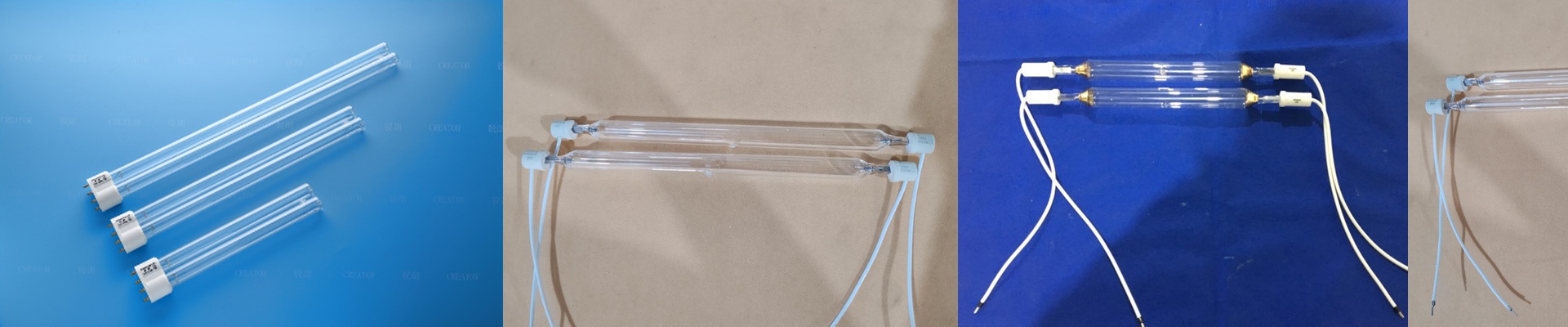
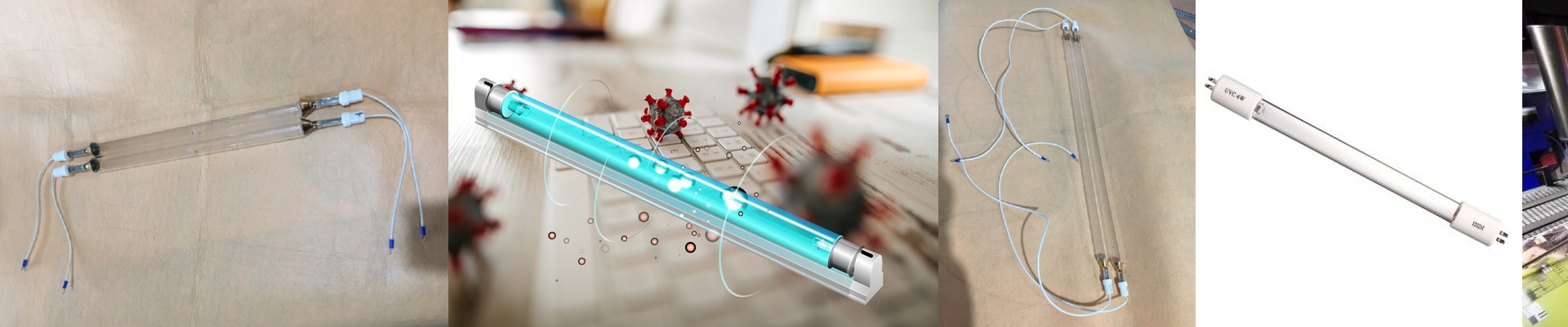
We use high-purity fused quartz because standard glass basically acts like a wall, blocking the very wavelengths you need. We also obsess over the electrode chemistry. Why? Because if you don’t, you get that annoying “blackening” at the ends of the tube. Once that happens, your light output tanks, and your productivity goes with it. Then there are the connectors—R7s, Sk15, or whatever custom leads you need. In a loud, vibrating factory, these are usually the first things to break. We weld our connections so they can handle the constant expanding and contracting from the heat without cracking. A loose fit is a disaster; it leads to arcing and a fried socket.
Making It Work in the Real World
Our lamps are designed to slide right into your existing UV tunnels. We match your current footprint and wavelength peak exactly. The goal is simple: you shouldn’t have to touch your conveyor speed. You just get a steady, reliable output that doesn’t drift. As long as your ballast is tuned to the lamp’s impedance, these things are built to take a beating in a 24/7 production environment. They just keep running.