Getting Your UV Curing Right Without the Headache
We build modular UV curing systems because industrial printing and coating are tough on gear. The goal is basic: get enough light hitting your ink or adhesive to make it set instantly, but do it without melting your materials in the process.
Why we go modular
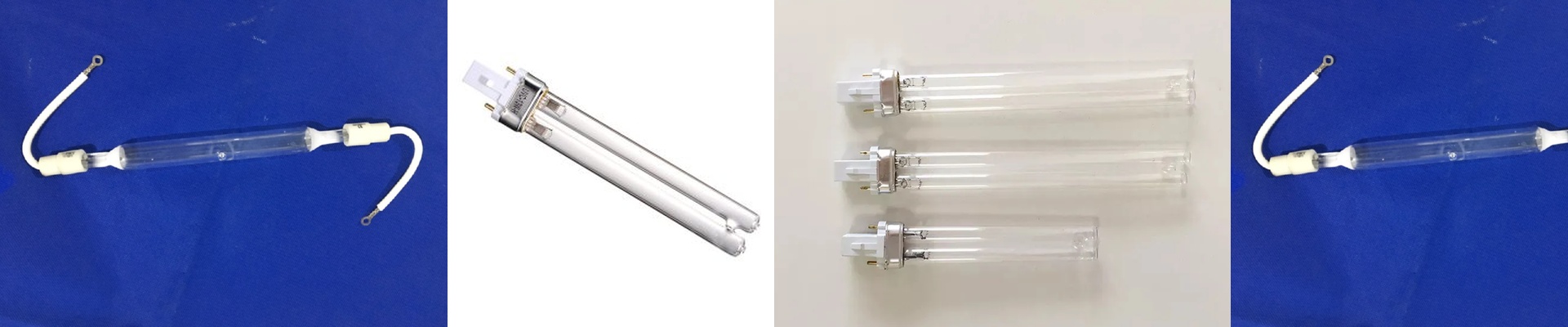
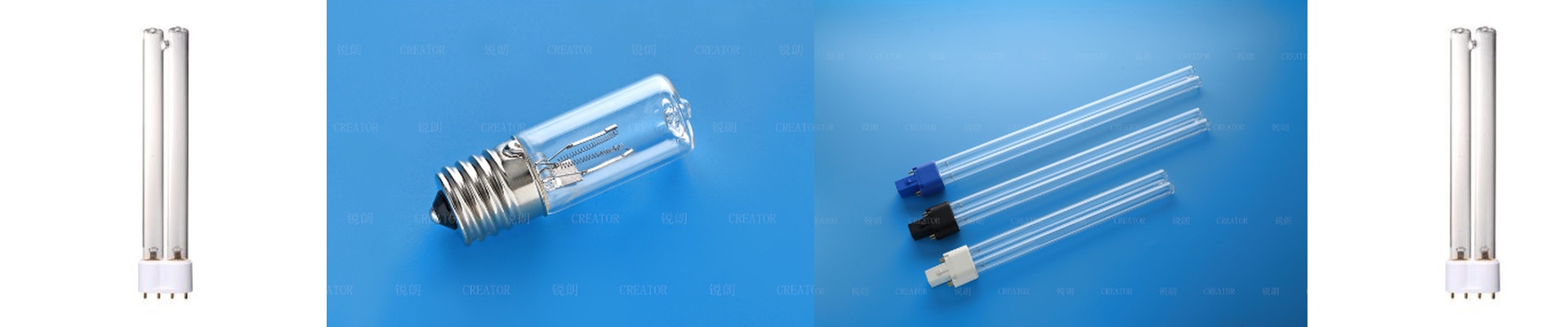
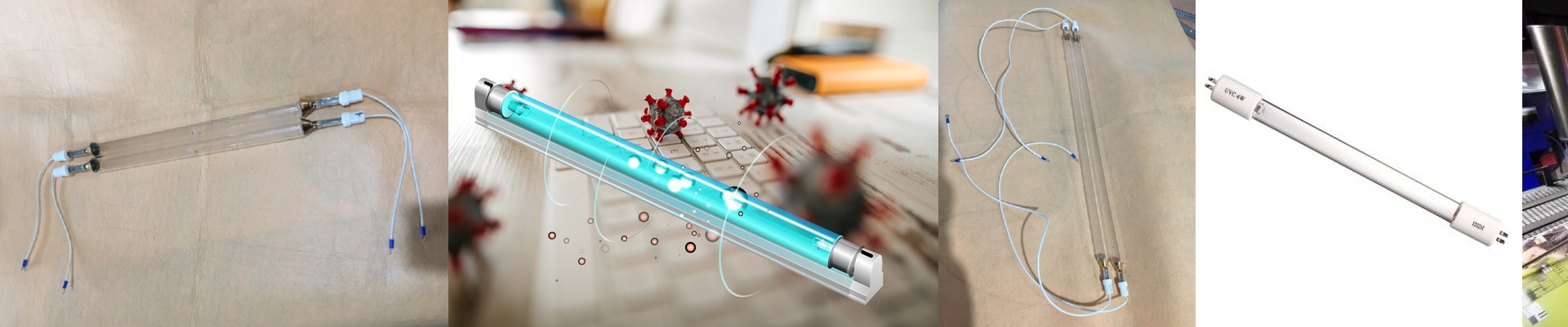
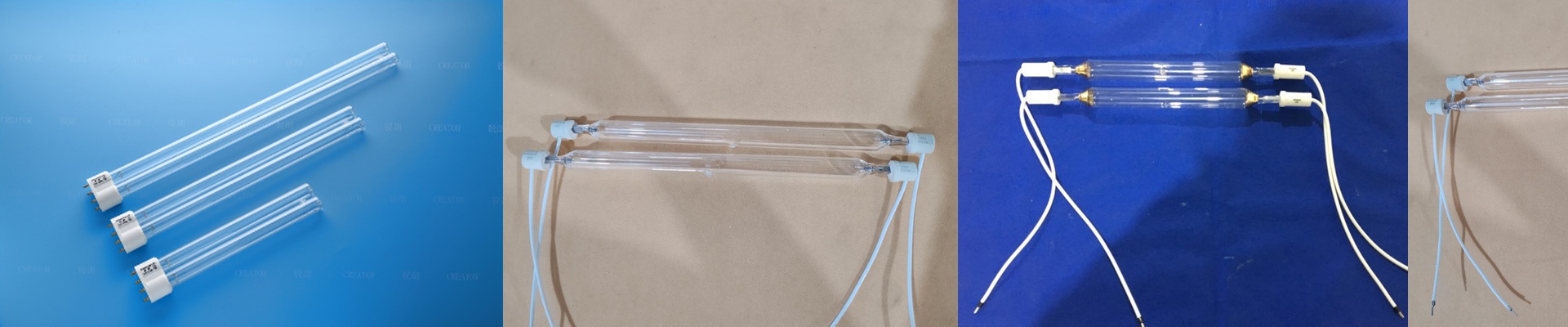
Here’s the thing about curing power: you don’t always need the same amount. If you use one giant, overkill lamp, you’re just throwing money away on electricity. Instead, we use arrays of UV tubes. If your line speed picks up, you add a few modules. If you’re running a slower job, you take some out. It’s all about hitting that sweet spot. You don’t want “tacky” prints that never truly dry, but you also don’t want to overdo it and end up with a coating that cracks like an old dried-up lakebed.
The battle with heat
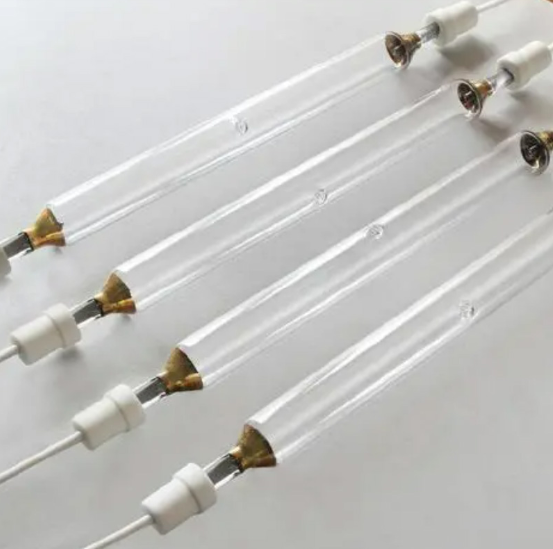
UV lamps are great, but they’re hot. Like, really hot. They pump out a ton of infrared heat right alongside the light you actually need. To handle this, we use quartz sleeves and reflectors. They basically act as a shield, pushing the UV energy down onto the product while keeping the heat from ruining the work. But a word of warning: if you’re running these things at full blast, your cooling blowers have to be up to the task. If the airflow isn’t there, your lamps will burn out way too fast, and your thin plastics will start to warp. Not a great look.
Keeping things simple
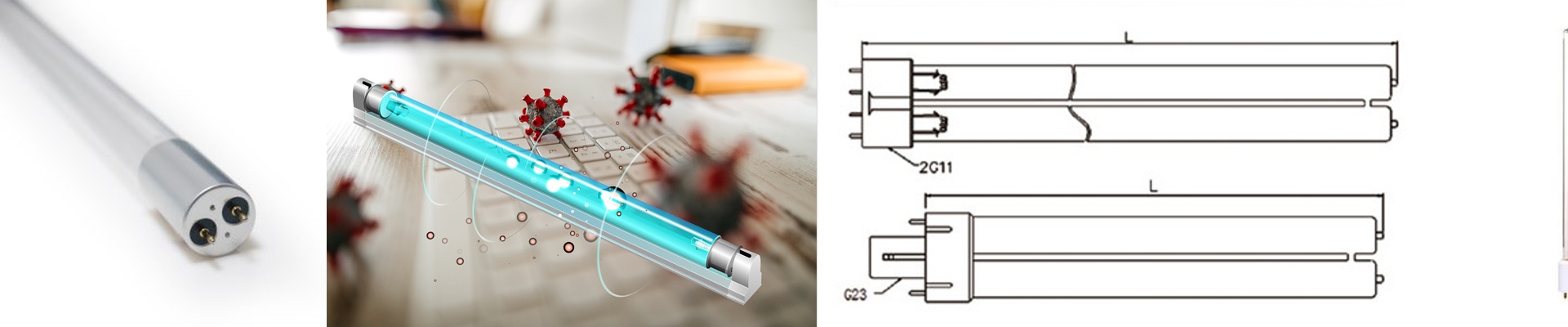
Nobody wants to spend their entire afternoon tearing down a conveyor belt just to change a lightbulb. That’s why we made these systems easy to swap. When a bulb gets old and the light starts to fade, you just pull the module and pop in a fresh one. The wiring is straightforward and the connectors just click into place. No drama. If your drying times are slowing you down, you can tighten the gap between the lamp and your product to boost the intensity. Just be careful. The closer you get, the hotter it gets. It’s a balancing act between how fast your line is moving and how much distance you need to keep things from scorching.