Making Mercury UV Lamps That Don’t Trash the Planet
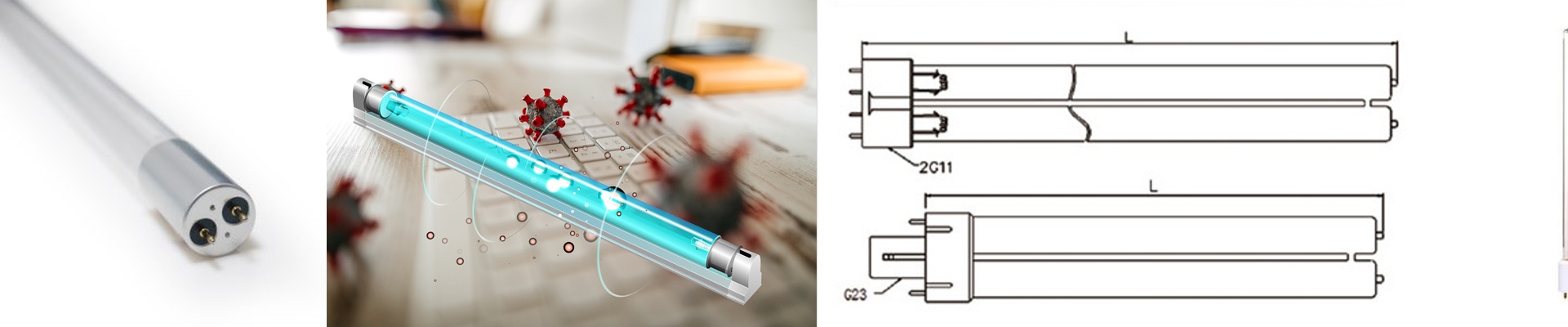
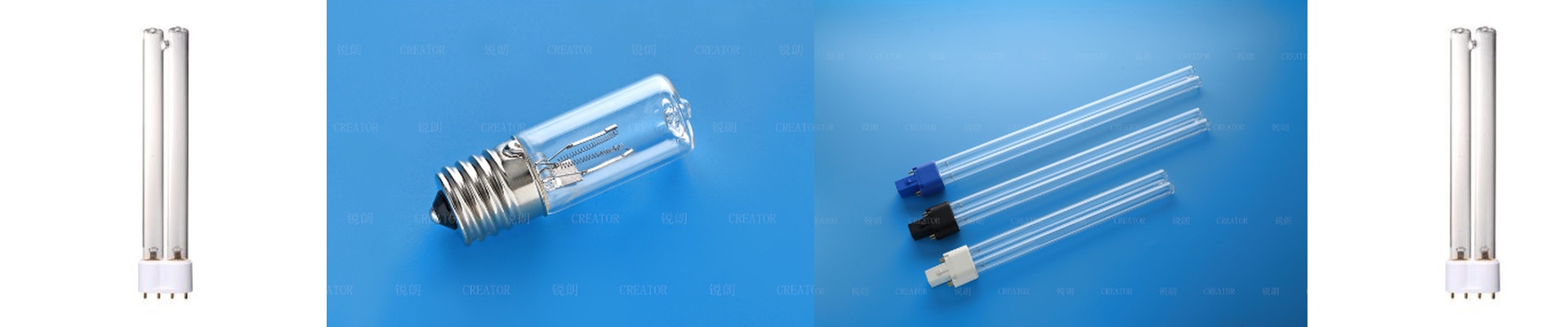
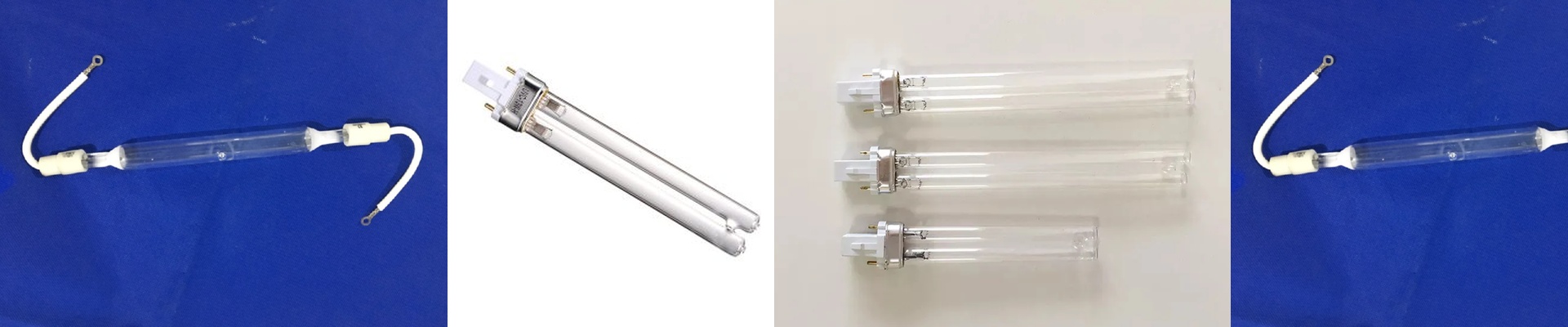
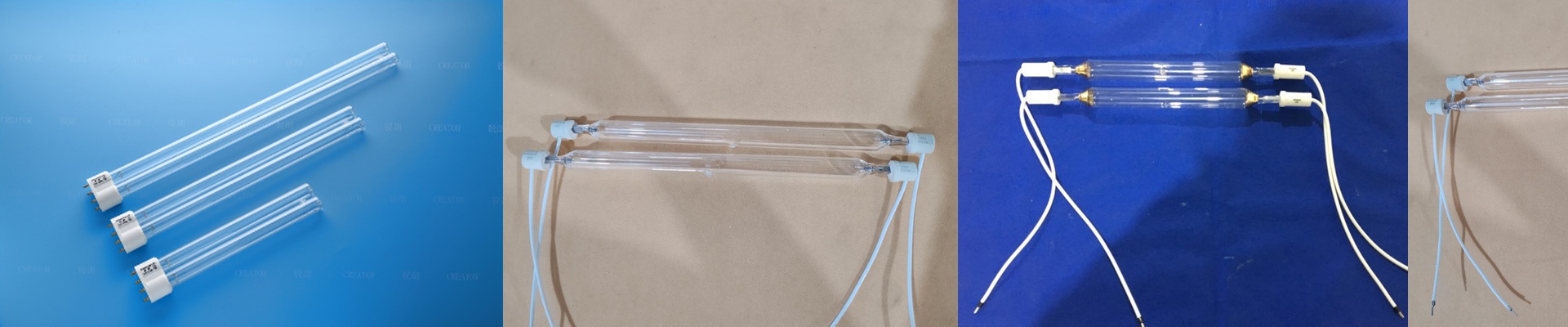
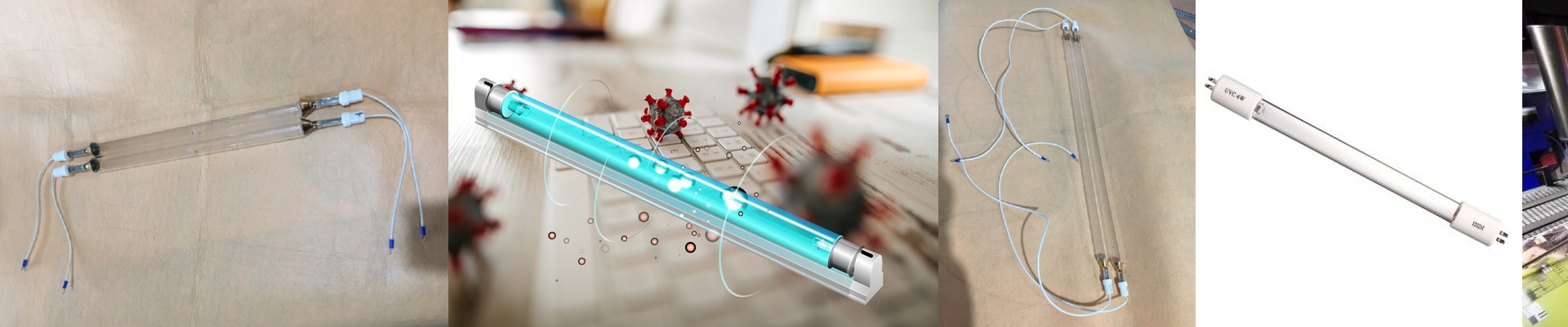
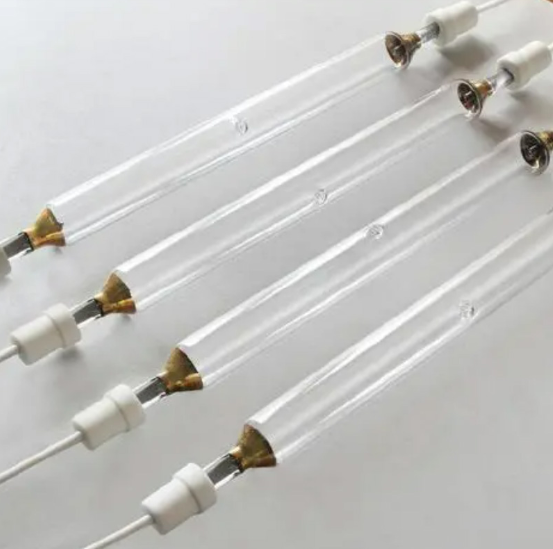
Let’s be honest: mercury UV lamps are the backbone of industrial curing and sterilization. They get the job done. But for too long, they’ve come with a nasty side effect—hazardous additives and a tendency to end up in landfills far too quickly. We decided it was time to change that. We’re moving toward zero-pollution production, swapping out the toxic stuff for eco-friendly materials and building lamps that actually last. Why do these things usually die? Most UV lamps burn out because the electrodes degrade or the quartz gets “cloudy” (that’s solarization for the gearheads). It’s frustrating. To fix this, we focused on the physics of the thing. We tweaked the mercury vapor pressure and switched to high-purity synthetic quartz. It’s not some magic trick. It’s just about managing the heat stress where the glass meets the metal. By giving the electrode spacing a bit more breathing room, we stopped the “sputtering” that usually turns a clear tube opaque. The result? The lamp stays clear, and it stays working, for a lot longer. The nitty-gritty on materials We went through our old designs and stripped out the toxic stabilizers. The new generation is clean. No hazardous gases leaking out during manufacturing, and no scary chemicals left behind when you finally dispose of them. We also spec’d the quartz envelope for high UV-C transmission. This means the power goes where it belongs—into the curing—instead of just wasting energy as heat. One quick heads-up:**don’t mess with your ballast settings.**I know it’s tempting to overdrive the lamps to get faster cure speeds, but you’ll just kill the lifespan. If you want the full service cycle, stick to the rated wattage. Simple as that. What this looks like on your shop floor You don’t need to rip out your existing setup. These are drop-in replacements. We kept the footprint tight so you aren’t spending your weekend rewiring racks. Now, there is one trade-off. Because we used eco-friendly materials, the warm-up time is a tiny bit slower than those old, high-mercury-load lamps. But really, it’s a negligible difference. When you weigh a few extra seconds of warm-up against meeting pollution mandates and spending way less time swapping out dead bulbs, it’s a no-brainer.