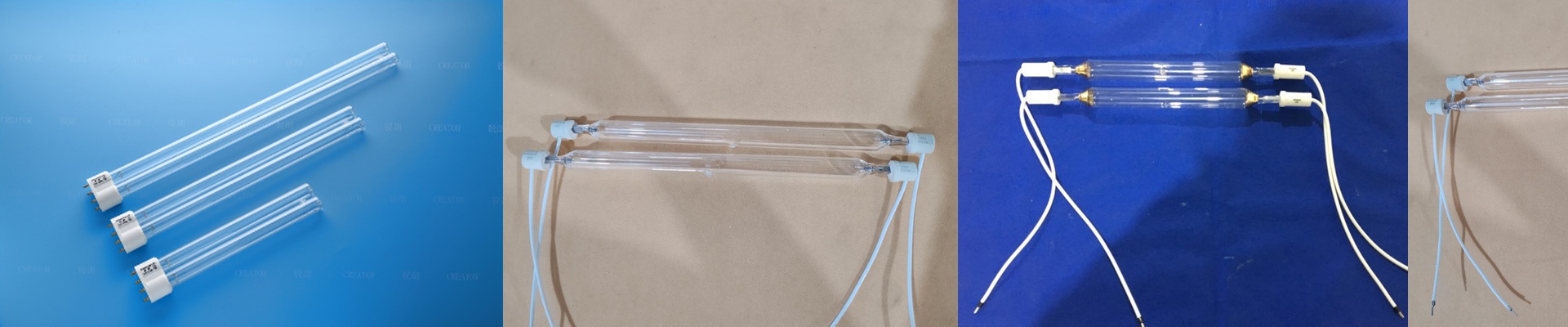
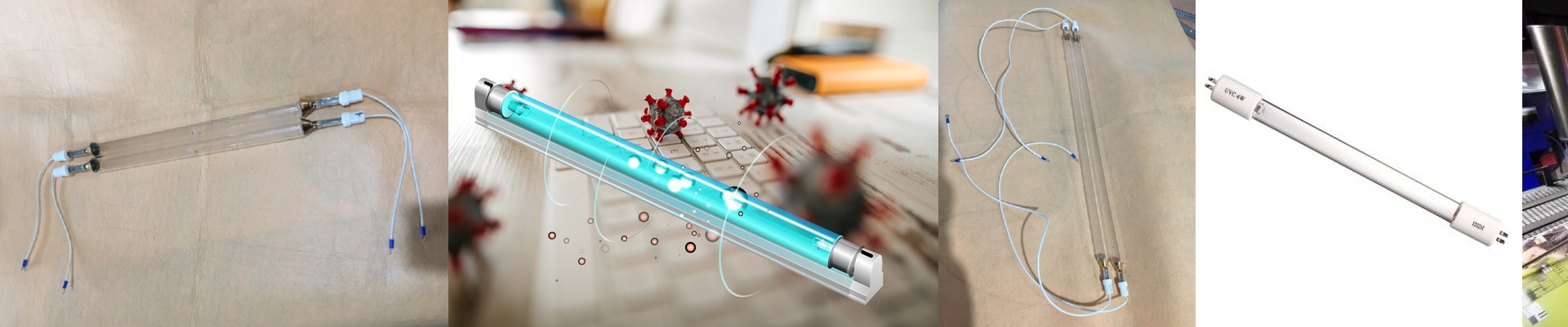
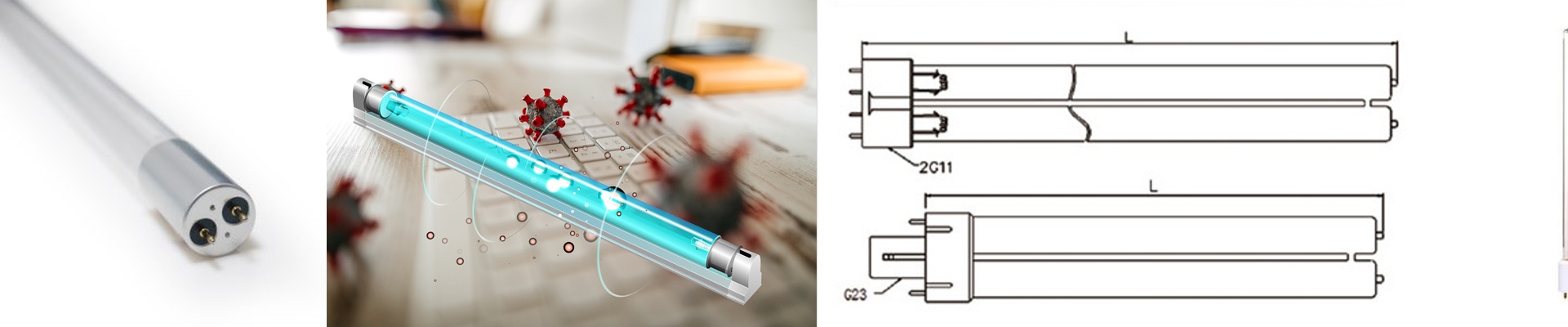
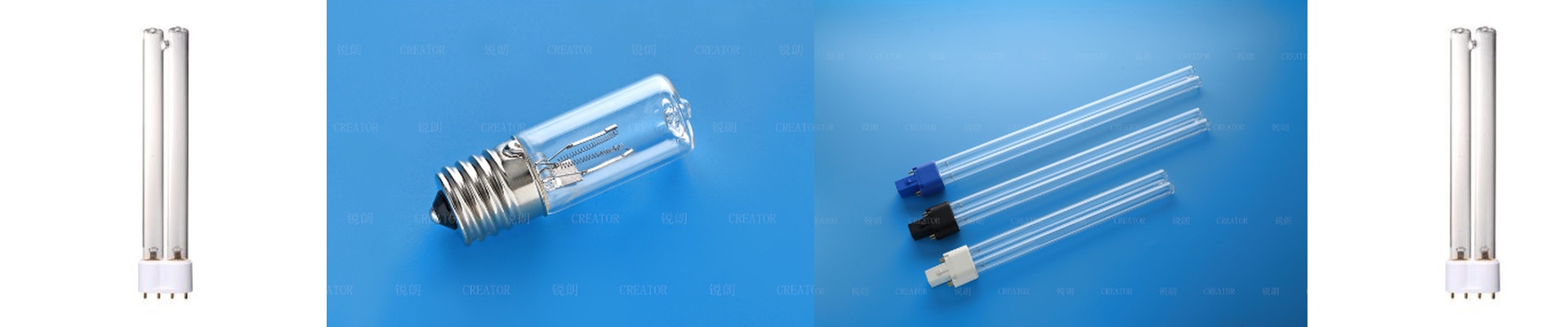
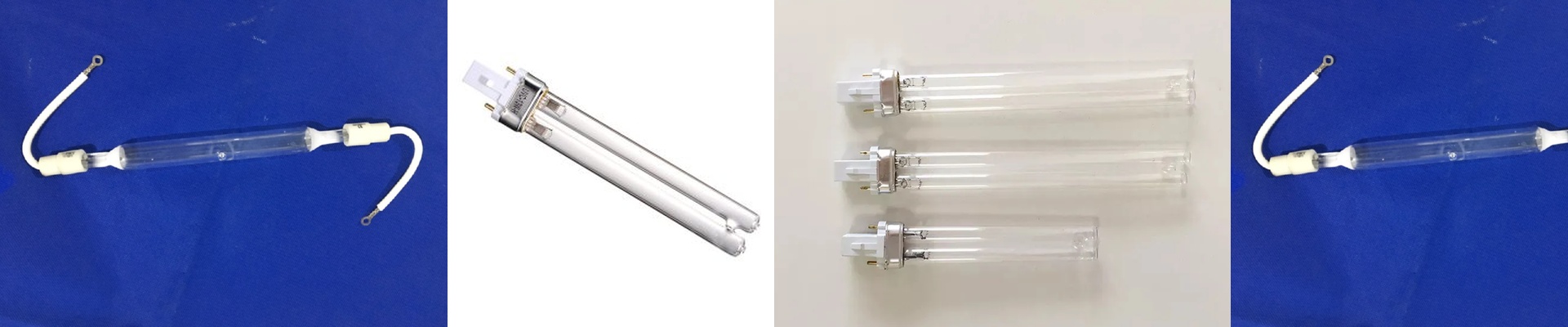
Let’s Talk About 120W/cm Mercury UV Lamps: Power, Heat, and the Legal Headache
If you’re running industrial curing lines, you know that speed is everything. That’s where the 120W/cm mercury UV lamp comes in. It packs a serious punch, giving you the high-intensity output you need to get those coatings and adhesives to polymerize fast. But here’s the catch: that much power creates a ton of heat. When you’re pushing 120W/cm, things get hot—really hot. If your cooling system isn’t up to the task, you’re asking for trouble. We’ve seen it happen too often. The bulbs burn out way too early, and the reflectors start to warp. It’s a mess. Make sure your cooling is dialed in before you flip the switch. The Secret is in the Glass When we talk about 120W/cm, we’re talking about how the power is spread across the lamp. The goal is to get those UV photons deep into your coating. To make that happen, we use high-purity quartz. Why? Because cheap glass sucks up the UV light. If you use low-grade quartz, the lamp runs hotter, the output drops, and your line slows down. It’s a lose-lose situation. The Legal Trap Nobody Mentions Here is something most people totally miss: the legal side of things. A lot of buyers think a UV lamp is just a tube filled with mercury. It’s not. There’s some pretty intense intellectual property involved—stuff like the specific gas mixtures and how the electrodes are coated. If you buy from a supplier who doesn’t own their own patents, you’re playing a dangerous game. Customs agents don’t care about your production schedule; if they think the hardware infringes on a patent, they’ll seize the whole shipment. Sure, a “generic” lamp might save you a few bucks today. But saving fifty dollars on a bulb isn’t worth losing thousands of dollars because your entire supply chain is stuck at the border. We handle our own patents so you don’t have to worry about that nightmare. Getting Them Running The good news? These are designed to be simple drop-in replacements. We kept the footprint tight so you don’t have to spend your weekend rewiring your ballasts. One quick tip before you install them:check your connectors for oxidation. At 120W/cm, a bad connection can cause an arc. That will pit your electrodes and kill the lamp in a fraction of the time it should last. A two-minute check now saves you a massive headache later.