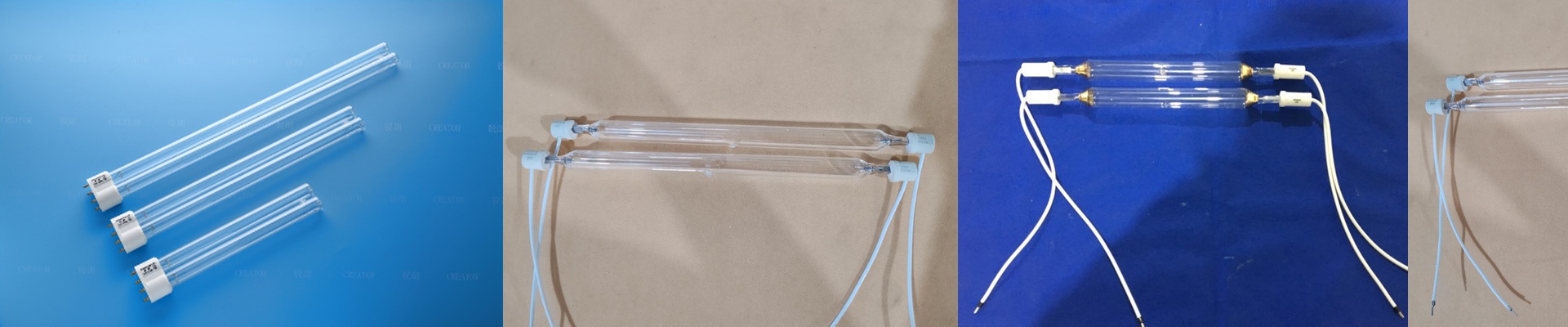
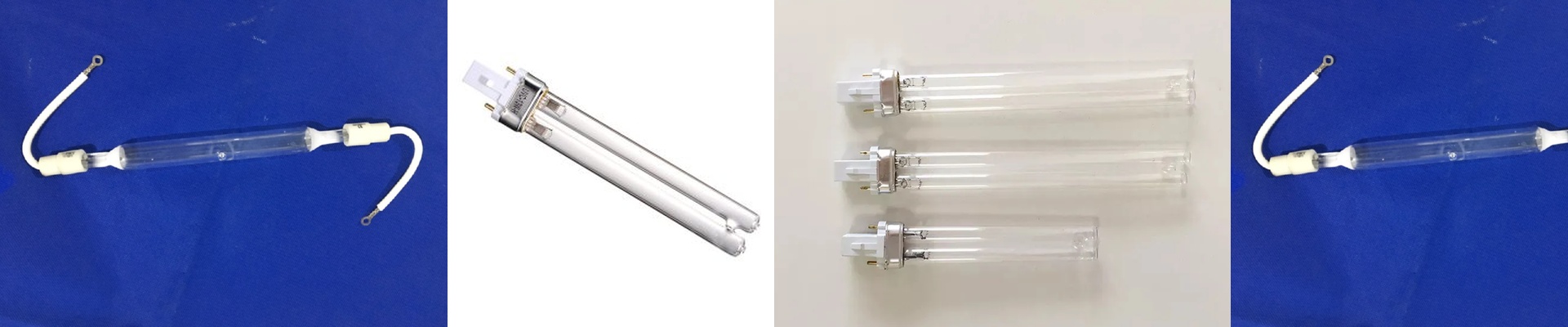
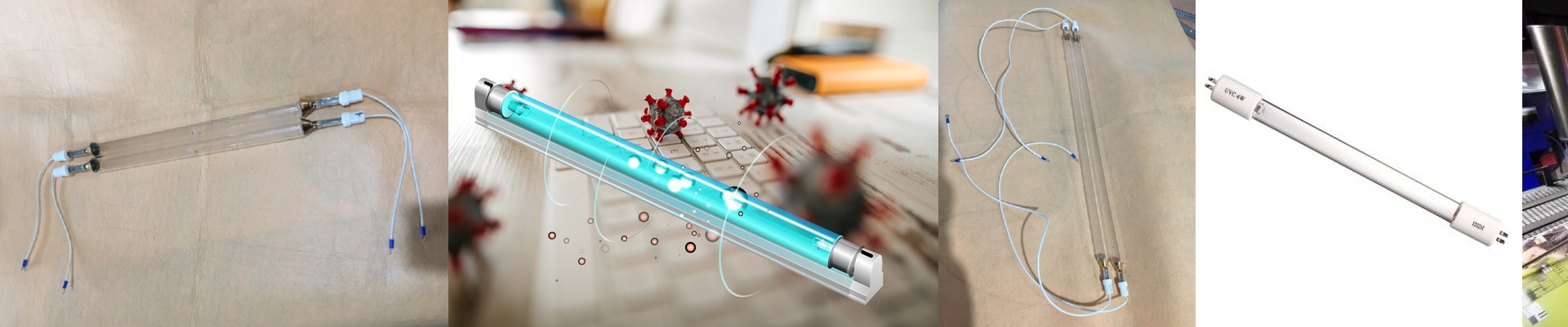
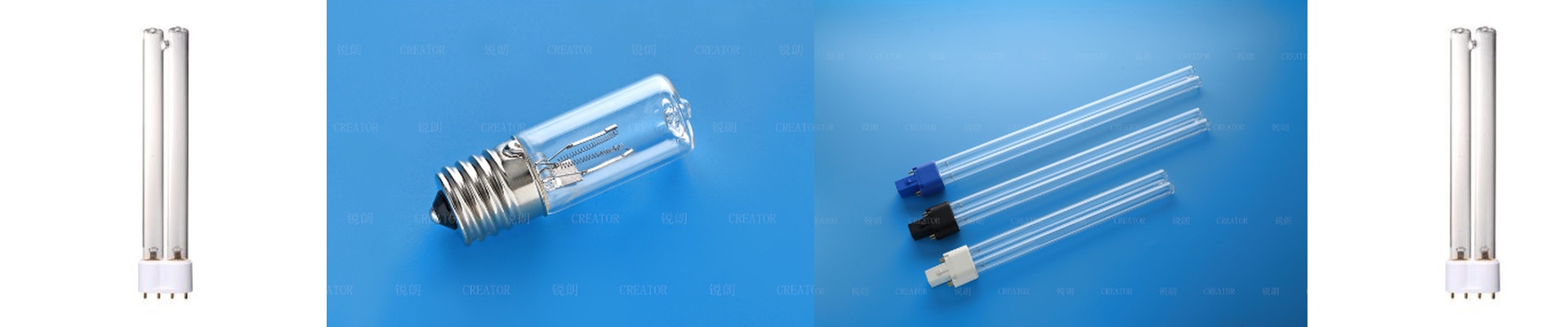
We spent some time visiting 3,000 different printing plants. We wanted to know why some UV lamps just give up the ghost way faster than others. Turns out, it’s usually not about a “cheap” bulb. It’s actually a mismatch. The lamp is designed one way, but the production line is running at a speed the lamp just wasn’t built for. The science of the cure Here is the deal with high-pressure mercury lamps. They put out a wide range of UV light—specifically hitting those 254nm and 365nm peaks. Why does that matter? Because modern inks are tricky. They use different photoinitiators. Some kick in right on the surface, while others need to reach deeper into the ink layer. If your lamp doesn’t have the muscle to push those deeper wavelengths, you end up with “surface cure.” It looks dry. It feels dry. But the second you run a scratch test? Everything smears. It’s a nightmare. Heat and hardware We use high-purity fused quartz for these. It’s tough, which is great because it can take the thermal shock of power cycling without cracking. But you have to be careful with the balance of wattage and tube length. If you cram too much power into a short tube, you get an incredible burst of UV intensity, but you’re basically turning the lamp into a space heater. If your fans are dusty or your reflectors are grimey, that heat has nowhere to go. The tube overheats, the mercury starts to migrate, and your output just tanks. Getting it on the floor We made these as simple drop-in replacements. You don’t have to rip out your wiring or spend a weekend redesigning the whole rack. You just plug them in, tweak your conveyor speed, and you’re off. Just keep one thing in mind: it’s a trade-off. Higher intensity lets you run the line faster, but it wears the bulb out sooner. It’s a choice between how long the bulb lasts and how much you can push through the press. Our best advice? Keep a close eye on the operating hours. Swap them out before they hit that 80% intensity dip. It’s a lot cheaper to replace a lamp than it is to throw away a mountain of rejected prints.