Making Gallium Iodide UV Lamps Actually Smart
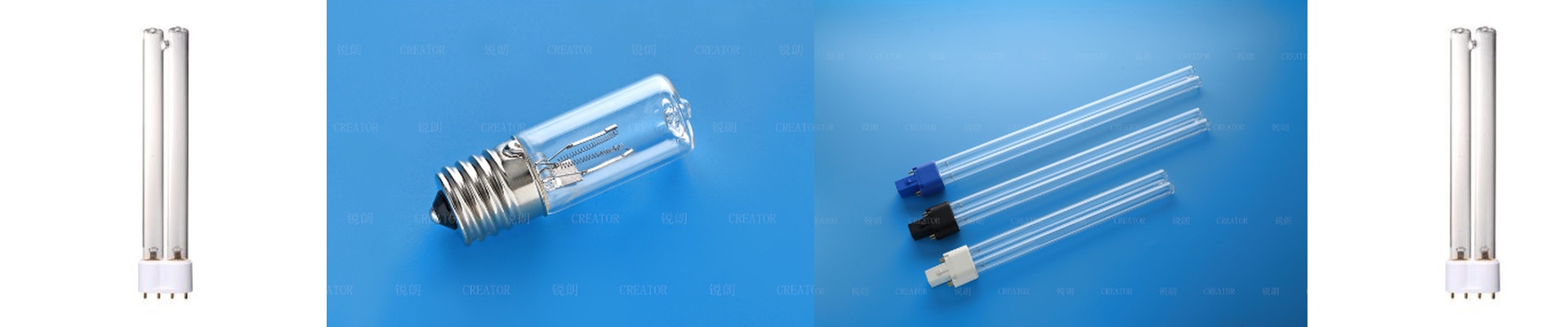
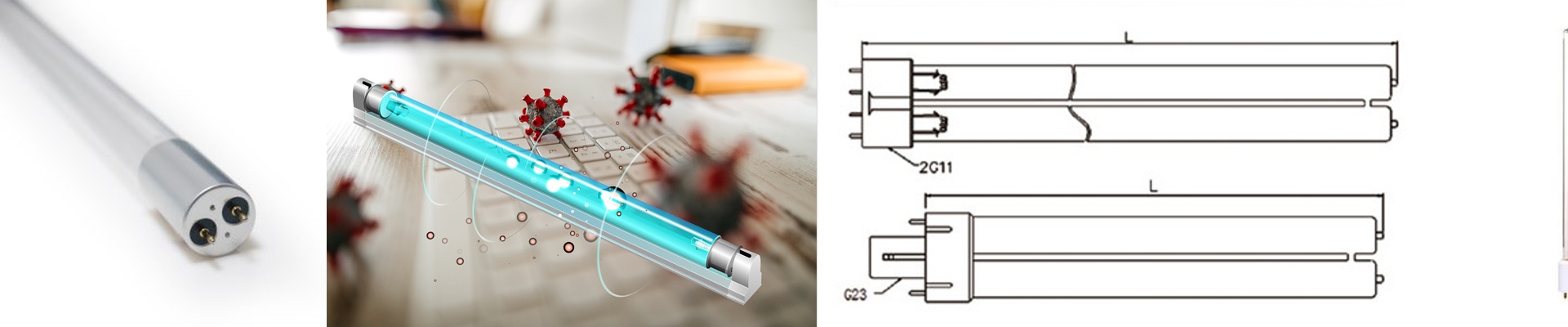
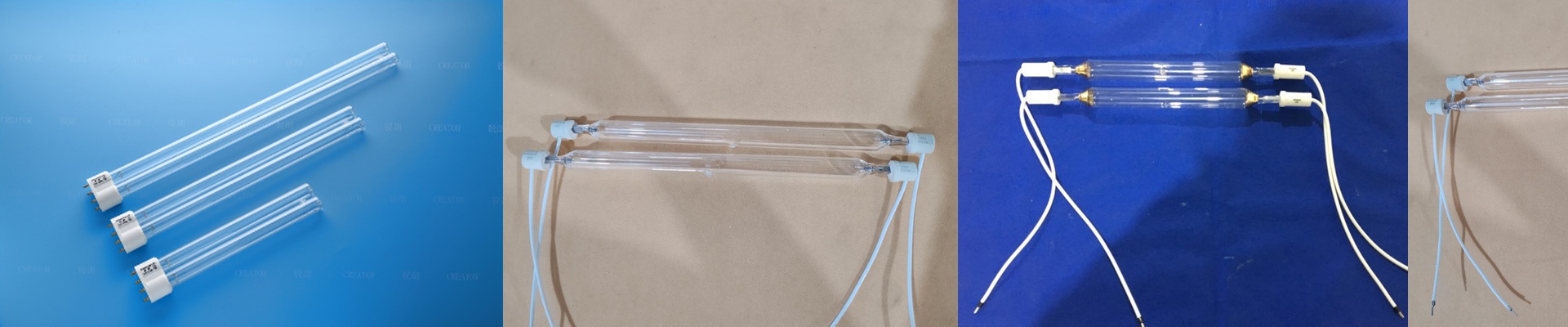
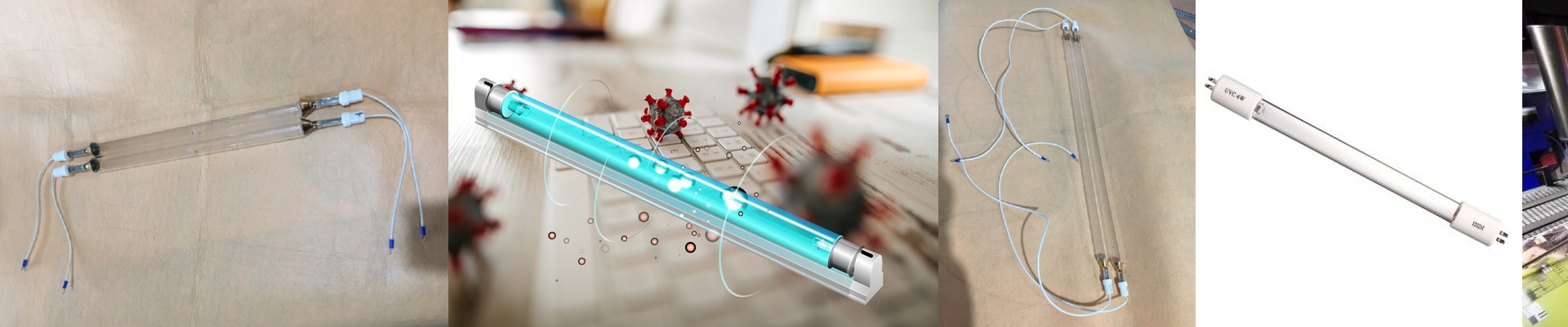
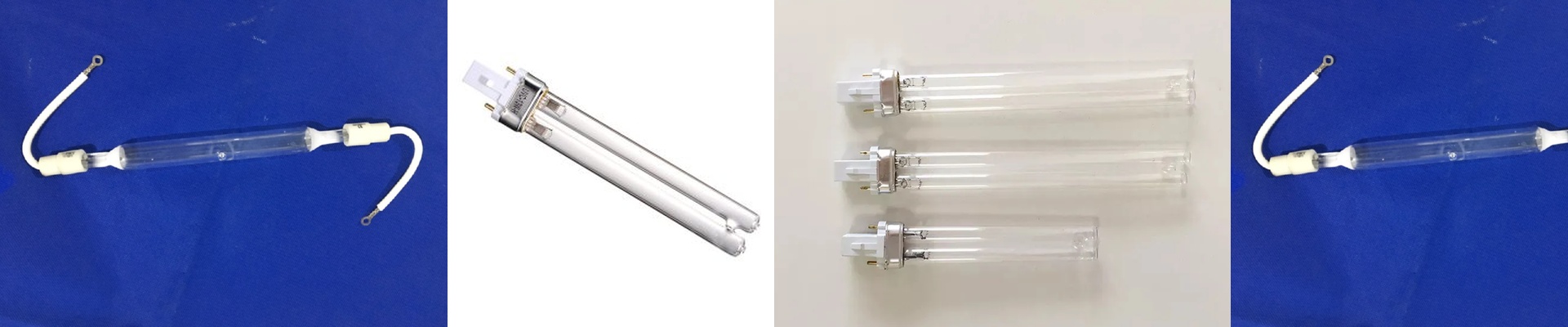
Gallium iodide (GaI) lamps aren’t your run-of-the-mill mercury vapor tubes. They hit a very specific spot in the light spectrum, which is why we build them for the kind of precision curing and sterilization where “close enough” just doesn’t cut it. But for a long time, these lamps were basically “dumb” hardware. You turned them on, hoped for the best, and waited for them to die. We’re changing that by adding remote energy monitoring.
The Heat and the Headache
Here’s the thing about GaI chemistry: it’s powerful, but it runs hot. Really hot. When we’re designing these, power density is the big worry. If you push these tubes to the limit without a rock-steady current, you’ll fry the electrodes way sooner than you should. It’s a waste of money and a pain for your team. To fix this, we’ve started baking sensors right into the system to track voltage and current in real-time. Instead of guessing, you can see exactly when a lamp starts to drift. You’ll know it’s failing before it actually kills your production line.
Stop Guessing, Start Knowing
Most shops still swap out their UV lamps on a calendar. “It’s Tuesday, time for new bulbs.” That’s a gamble. Either you’re throwing away lamps that still have plenty of life left, or you’re shipping out under-cured products because the lamp died a week early. By using IoT-enabled ballasts, we turn that lamp into a data point on a dashboard. You can see the spikes and drops from your phone or computer. It moves the whole process from “I think it’s time” to “I know it’s time.”
The Trade-offs (Because Nothing is Free)
Now, I’ll be honest—this adds some complexity to your wiring. You can’t just plug these into a wall socket and call it a day. You’ll need a compatible controller and a network gateway to get the data moving. It means a bigger footprint and a bit more cash upfront for the setup. But it kills the guesswork. You get hard numbers on how much energy you’re using and exactly how fast your lamps are wearing down. Just remember: the monitoring tracks the electricity, not the air. You still need to make sure your cooling system can handle the heat coming off that GaI chemistry, or the smartest sensor in the world won’t save you from a meltdown.