Why Gallium Iodide is the Secret to Better Curing
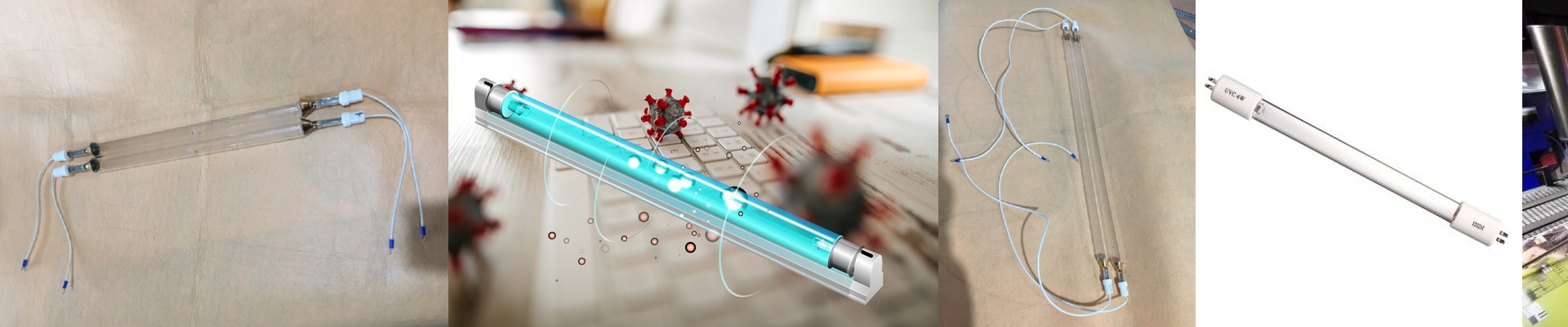
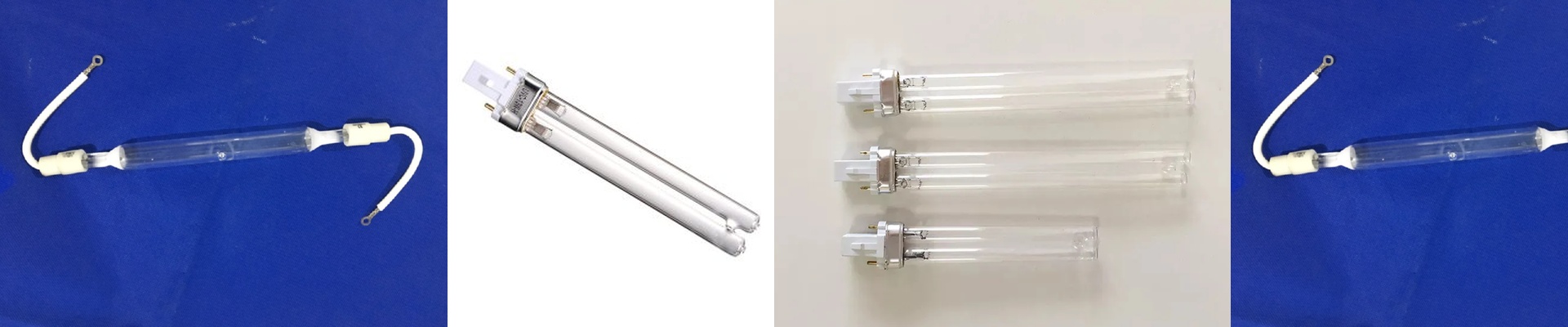
I’ve walked through about 3,000 printing plants. If there’s one thing I’ve learned, it’s that what works in a lab rarely works on a messy shop floor. You see it all the time. A shop buys standard mercury lamps, but they can’t get thick inks or fancy coatings to dry properly. Either the ink stays tacky, or they crank up the heat so high they end up warping the substrate. It’s a lose-lose situation. That’s why we lean into Gallium Iodide (GaI). Instead of the usual UV blast, GaI shifts the light toward longer wavelengths. Think of it as a deeper reach. It doesn’t just hit the surface; it actually sinks into the ink film.
Getting the cure right
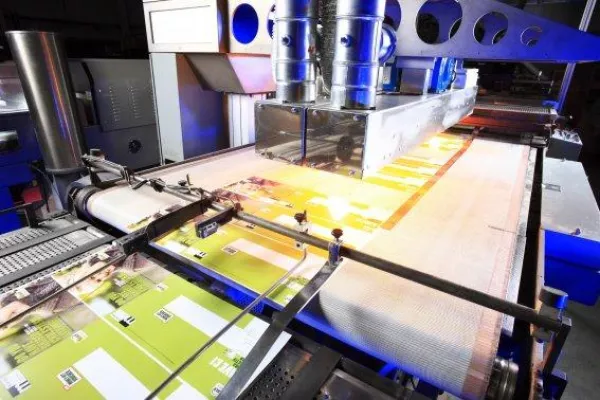
Ever deal with “surface cure”? It’s a nightmare. The top looks dry, but the bottom is still wet. You end up running the material through the line twice just to be safe, which kills your productivity. We fix this by tweaking the Gallium levels in the iodide mix. We move the peak emission so the energy hits the very bottom of the ink layer. One pass. Done.
Dealing with the heat
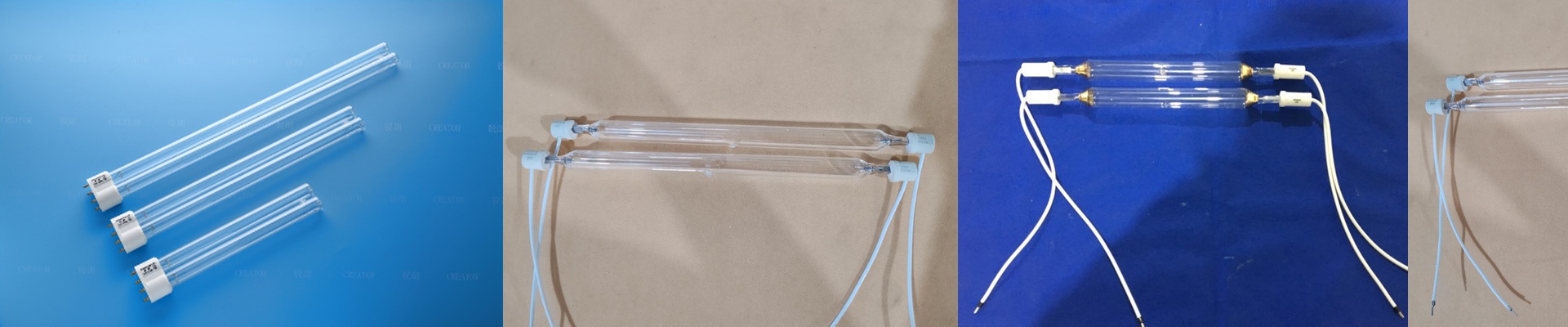
High-intensity UV creates a ton of heat. Like, a lot. To keep things from cracking, we use high-purity fused quartz for the envelopes. It stops the glass from getting cloudy and keeps the tube from snapping under thermal stress. But here’s the catch: you’ve got to make sure your cooling blowers can actually handle the wattage. If your airflow is weak, the lamp temperature spikes. That doesn’t just kill the lamp’s lifespan—it can literally warp your PET or paper.
Swapping them out
We designed these to be drop-in replacements. No one wants to spend a weekend rewiring a ballast system, so we kept the footprints standard. Just a heads-up, though. GaI lamps have different internal pressures than your old mercury tubes. You’ll want a compatible electronic ballast. If you try to run these on those old-school magnetic transformers, you’re going to see the light output tank within the first 500 hours. It’s just not a good match.