The Invisible Workhorse of the Textile Line
You probably don’t notice them, but UV lamps are basically the heartbeat of a textile mill. They’re everywhere—from the first bit of fiber sizing right through to that final print on a garment. We aren’t talking about a lightbulb here. These are high-intensity tools that trigger chemical reactions in a split second. It’s fast. Really fast. And that’s what keeps the line moving.
How it actually works on the floor
Early on, we use these lamps for coating. They cure the resins that stop warp yarns from fraying or rubbing raw. Then, when it’s time for digital printing, the UV system locks that ink into the fabric. It stops the colors from bleeding and keeps the design from washing away the first time it hits a laundry machine. But there’s a catch. You have to hit the right wavelength—usually between 365nm and 395nm. If you’re off, the polymers won’t bond. You’ll end up with fabric that feels tacky to the touch and a whole batch headed for the scrap bin.
Picking a replacement without the headache
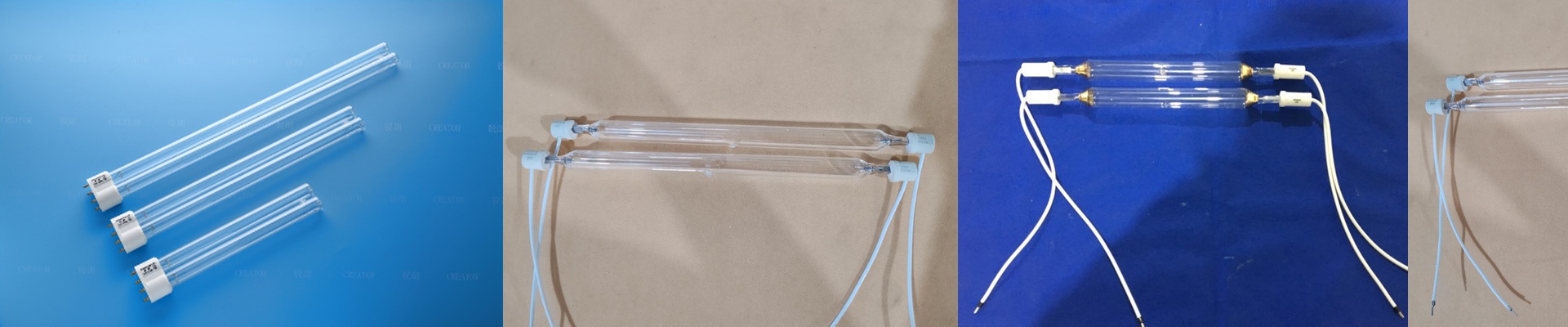
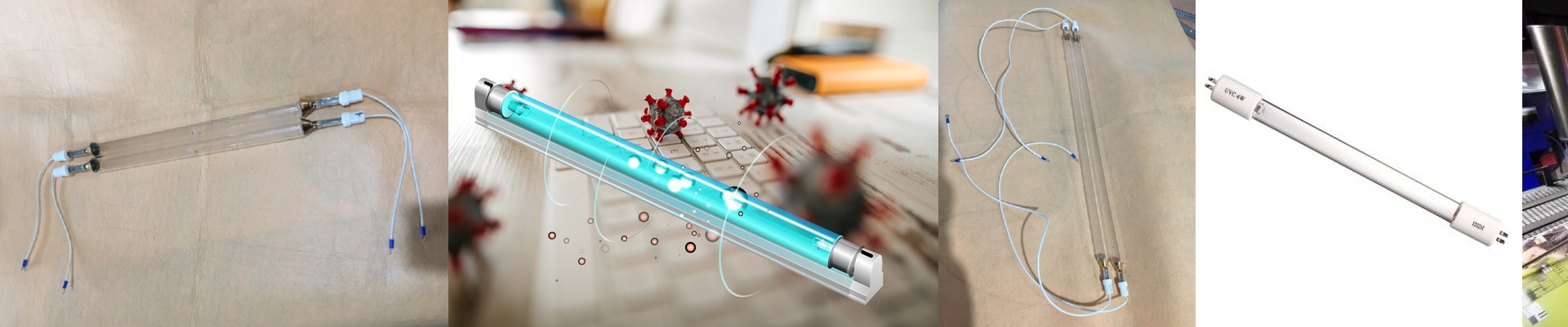
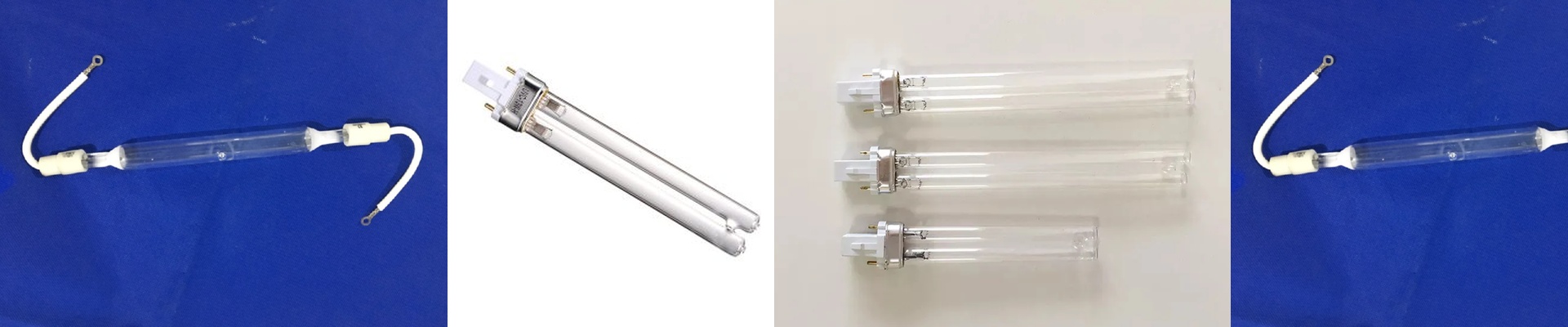
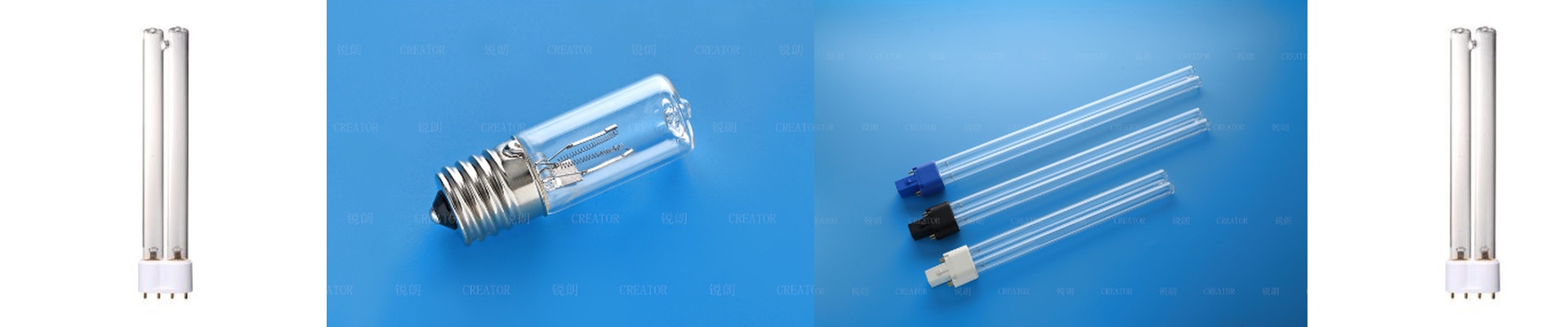
If you’re looking for a drop-in replacement, keep your eyes on the wattage and the arc length. Those are your hard limits. Here’s the thing: if your wattage is too low, you won’t get enough punch. That means you have to slow down your entire production line just to make sure the fabric actually cures. Nobody wants that. We build these things to survive the grit and dust of a real factory. But remember, high-output tubes gethot. If your reflectors are pitted or your cooling fans are choked with lint, the lamp is going to burn out way too soon. And a quick warning—don’t just throw in a higher wattage bulb because you think it’ll help. Check your ballast first, or you’ll blow it.
The reality of maintenance
UV lamps don’t last forever. They fade. As the electrodes wear down, your output drops. I always suggest tracking your run-hours. It’s much easier to schedule a swap than to wake up and realize your fabric is “under-cured” and ruined. You’ll hear a lot about LED UV these days, and it’s definitely gaining ground. But for those heavy-duty industrial coatings? Traditional mercury-vapor lamps still have the raw power you need. Just keep in mind that the more intensity you push, the shorter the lifespan. It’s a trade-off.