Getting the Cure Right: Why We Use Gallium Iodide Lamps
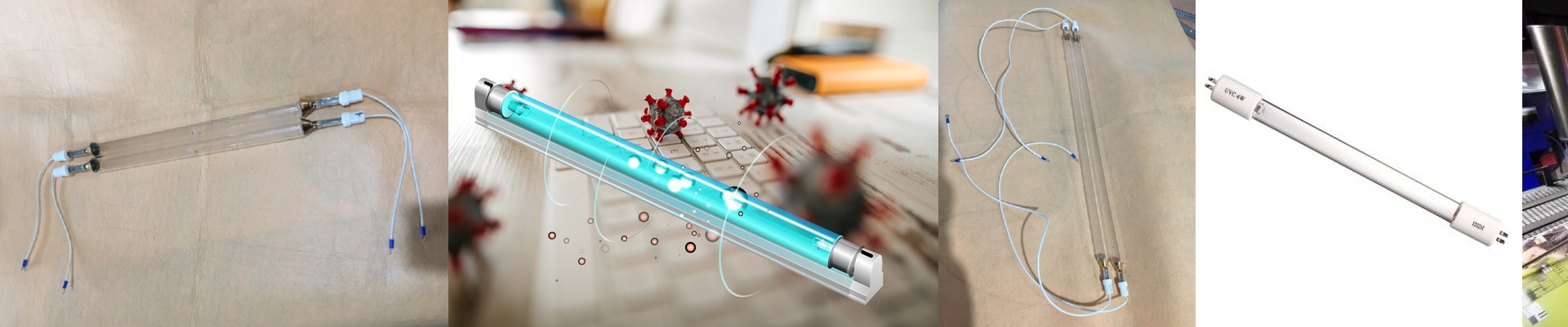
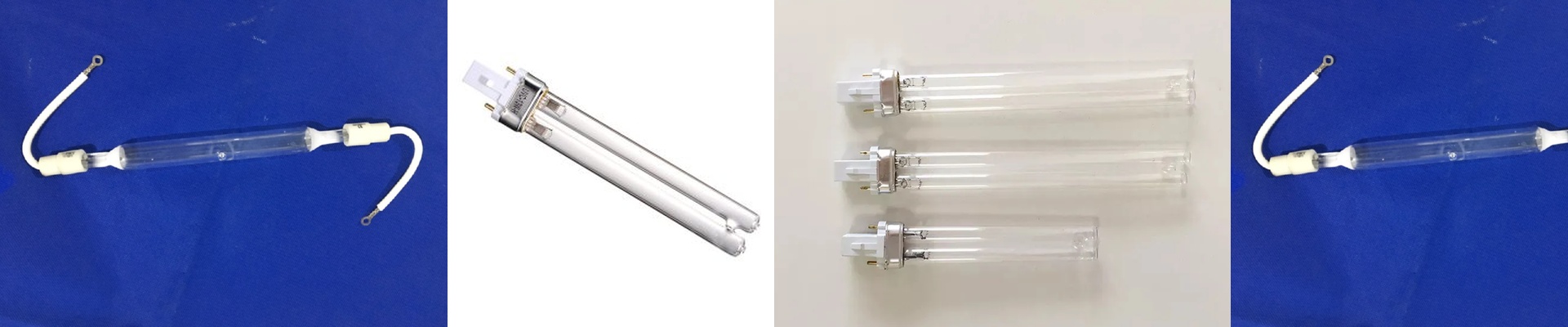
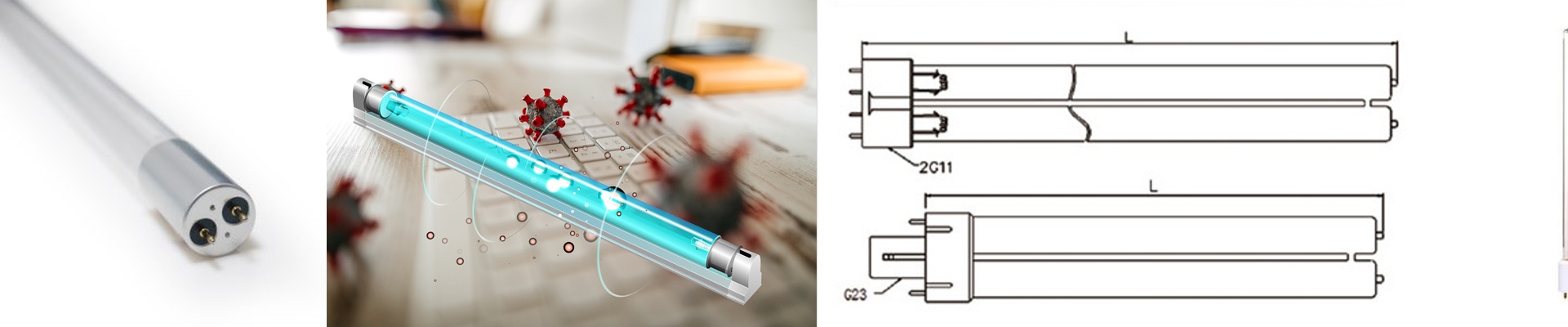
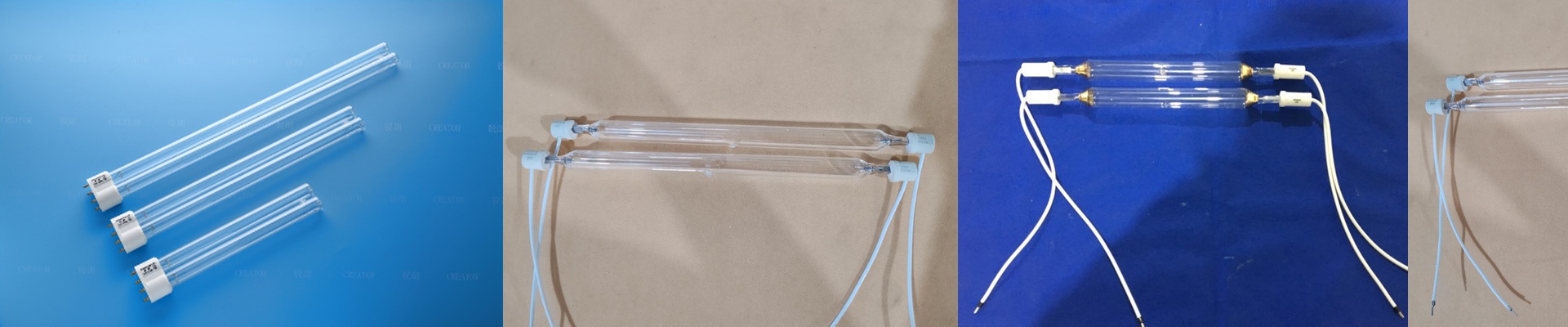
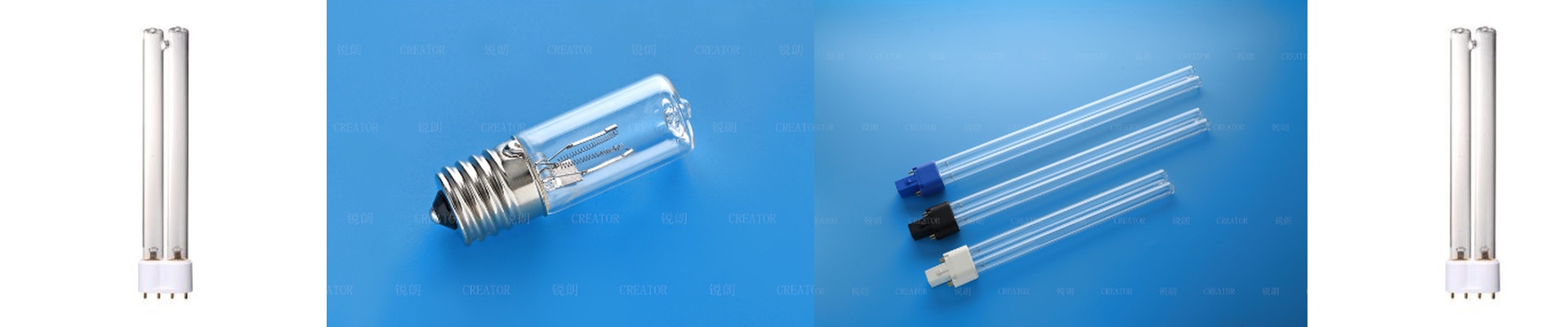
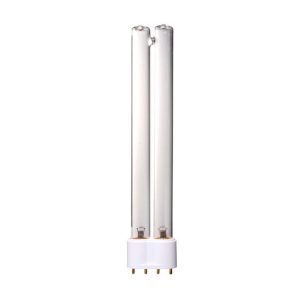
We built our custom UV lamp modules because we kept seeing the same headache in print shops: ink that looks dry on top but is still gooey underneath. Standard mercury lamps are fine for a quick surface dry. But if you’re dealing with thick ink layers, they just don’t cut it. That’s where gallium iodide comes in. It shifts the light spectrum, allowing the UV rays to actually sink deep into the substrate. The result? The bottom layer cures just as solidly as the surface. No more surprises. The secret is in the wavelength Most of the power here hits in the 300nm to 400nm range. We’ve engineered these modules to handle high current densities without frying the electrodes. By tweaking the gallium concentration, we can match the light to the specific photoinitiators in your ink. It gets rid of that annoying “tacky” feel you often get when you’re pushing a fast production line. It just feels… finished. Dealing with the heat We kept the footprint small, but let’s be honest: these things get hot. To keep the output from dropping over time, we use high-purity quartz glass. It stops the glass from clouding up (solarization), which is usually what kills a lamp’s effectiveness. You can swap these into your current setup pretty easily. But a word of warning: check your cooling blowers. Because we’re packing so much wattage into a tight tube, you need serious airflow. If your fans are weak, the lamps won’t stay stable and they’ll burn out way faster than they should. Built for the chaos of the shop floor Production floors are loud, shaky, and run 24/7. We know that. That’s why we used reinforced connectors to stop vibration from causing arcs. When you drop these into your press, the goal is simple: consistency. We calibrate every single module so the light is even across the entire web. Nobody wants to see “striping” or weird patchy spots on a finished run—that’s just a recipe for rejected batches and wasted money.