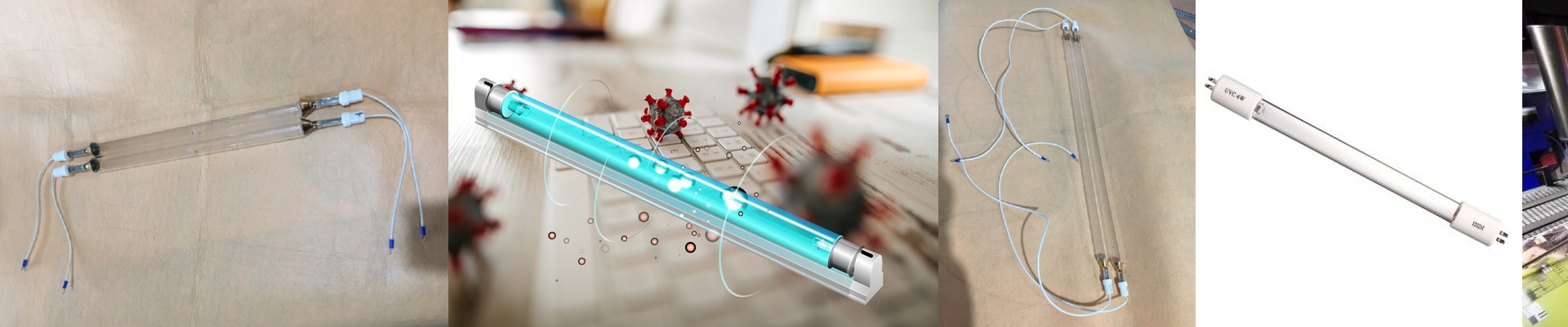
Let’s Talk Gallium Iodide Lamps
If you’ve ever dealt with industrial resins or coatings, you know the struggle of getting them to cure without melting the actual part you’re working on. That’s where our Gallium Iodide (GaI) lamps come in. They aren’t your typical infrared heaters. Instead of blasting everything with heat, these lamps hit a very specific wavelength. It’s like using a sniper rifle instead of a shotgun—you trigger the photo-initiators in the resin exactly where you need to, leaving the rest of the material alone.
The Science (And the Heat)
Inside the lamp, we use a gallium iodide halide mix. When you flip the switch, it creates a sharp peak in the UV-visible spectrum. This is the secret sauce that lets you cure thick-film polymers without cooking the substrate. But here’s the catch: when you run these at full tilt, things gethot. Really hot. If you don’t get your cooling fans or water jackets dialed in, you’re risking a cracked quartz envelope. Trust me, you don’t want to deal with a shattered lamp in the middle of a production run.
Getting Them Set Up
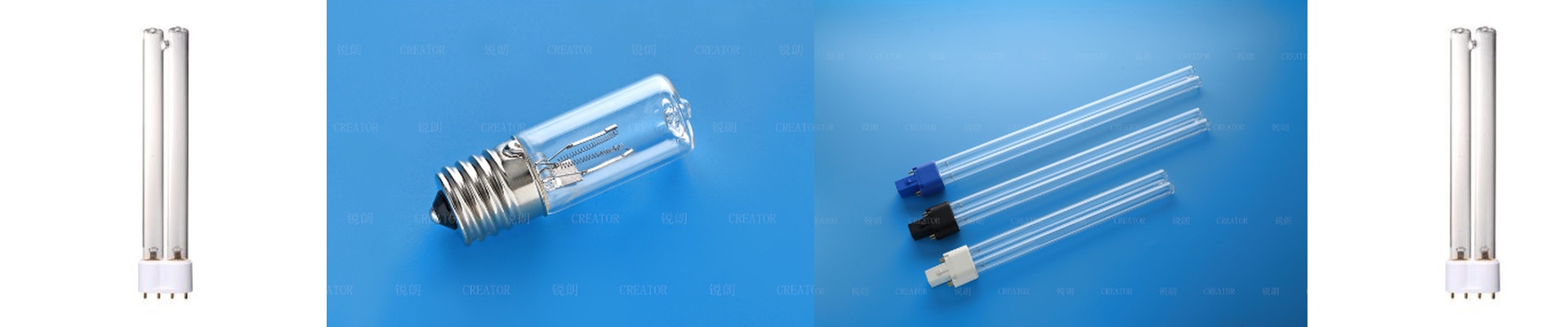
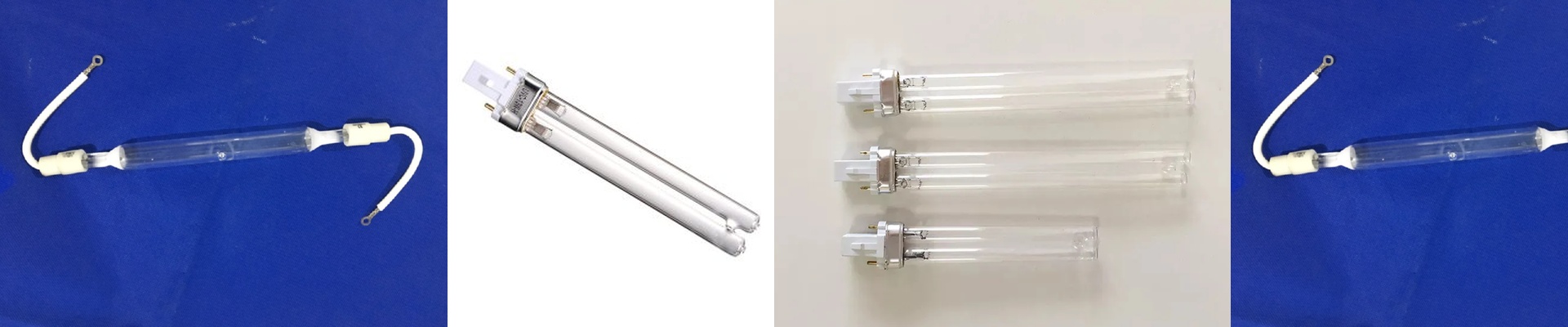
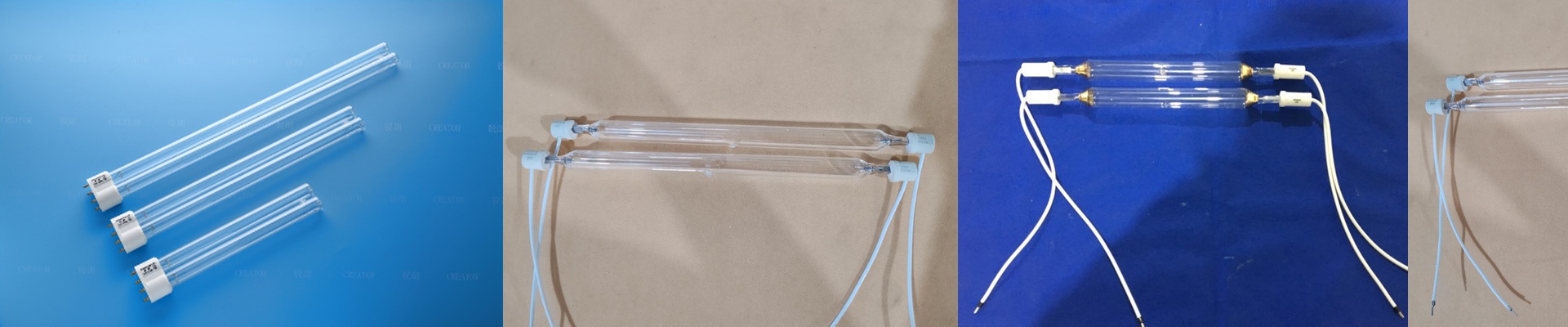
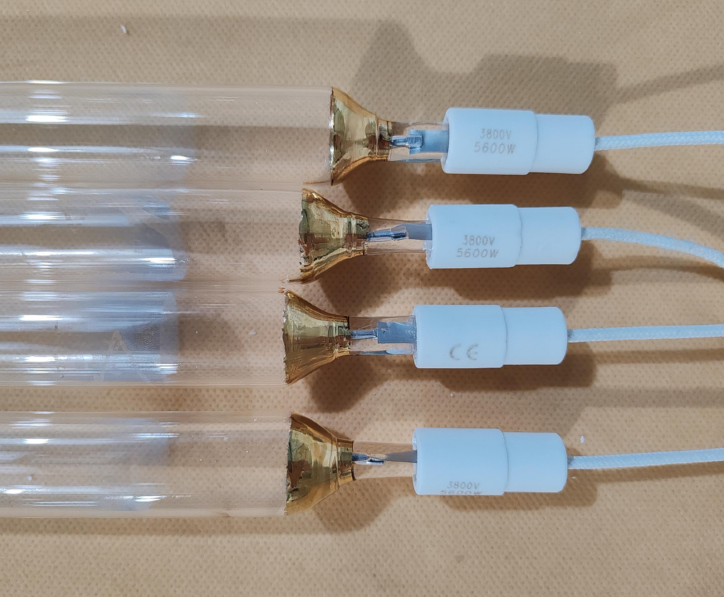
We designed these to be easy. They come with standard connectors, so you can just pop them into your existing arrays without a headache. We also use high-grade quartz glass. Why? Because we want the UV energy hitting your product, not getting trapped and absorbed by the glass. If you’re hooking these up to a modern automated setup, pay close attention to your ballast. You want a steady, rock-solid arc. If it starts flickering, your curing becomes uneven, and you end up tossing expensive material in the scrap bin. Keep your leads short and your connections tight to keep the voltage steady.
The Reality of Using Them
You’ll mostly see these in high-speed coating lines or semiconductor fab shops. They’re a breath of fresh air compared to those old, sluggish thermal ovens because they use light to drive the chemistry, not just raw heat. Of course, there’s a trade-off. These lamps don’t last forever. Because the halide chemicals eventually wear out, high-intensity GaI tubes burn out faster than a standard halogen bulb. The trick is to stay on top of your maintenance. Swap them out before the output dips too low, or you’ll find your parts aren’t curing properly. To help you out, we provide the exact spectral data so you can keep your sensors calibrated and your line moving.