Getting Your UV Lamps Right: It’s More Than Just a Lightbulb
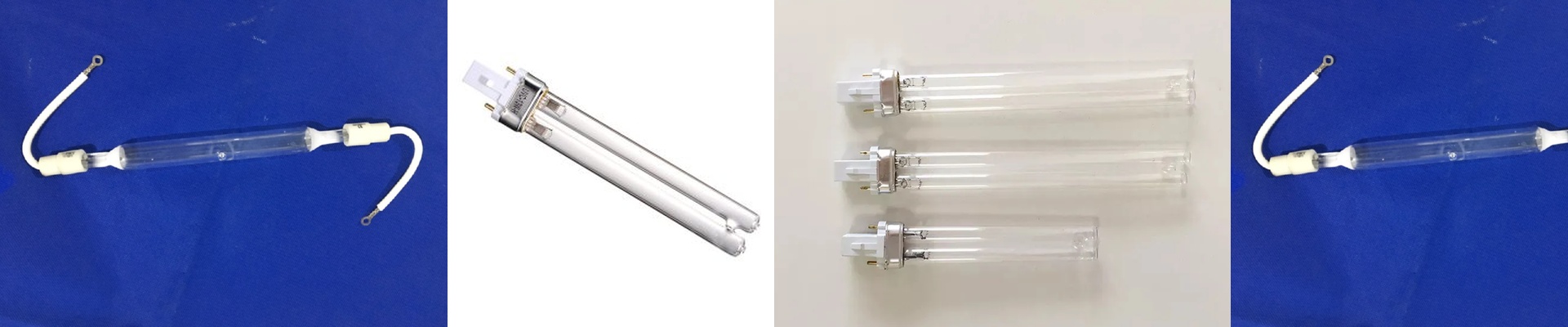
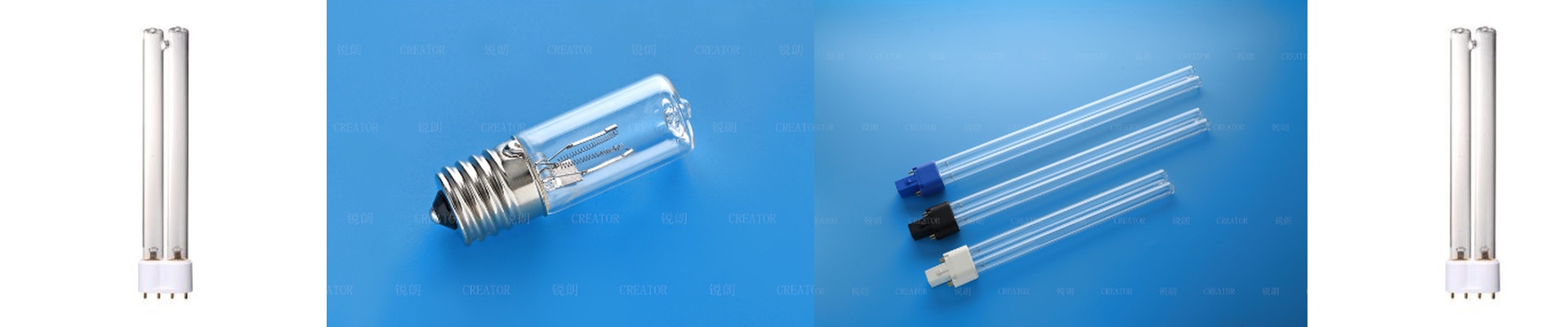
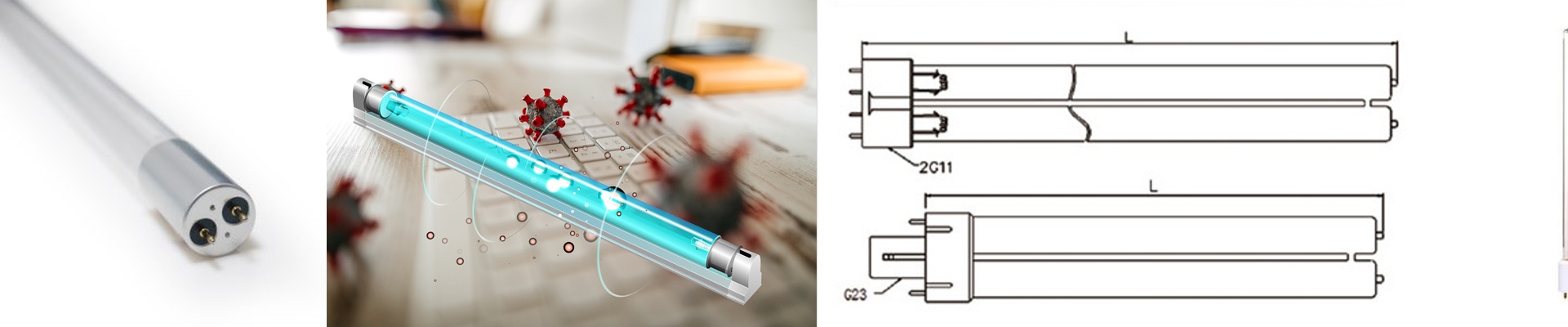
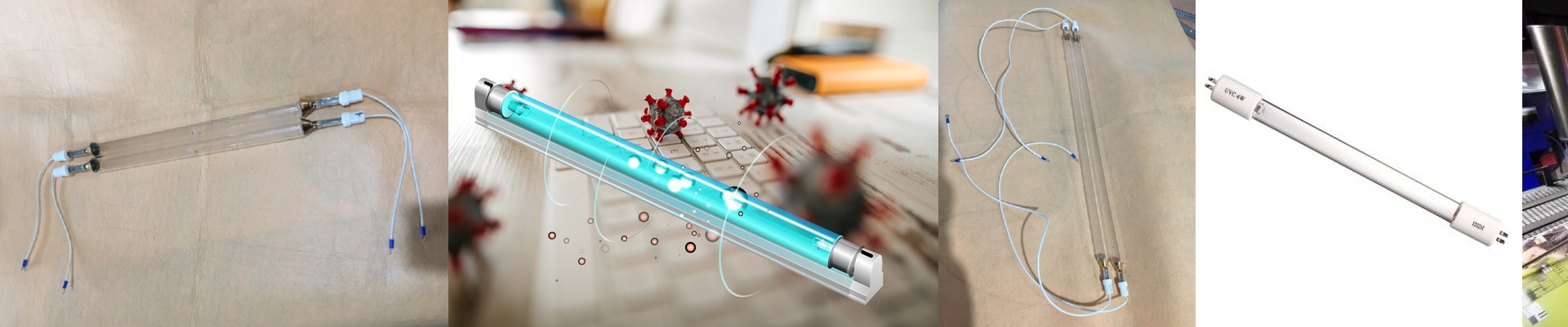
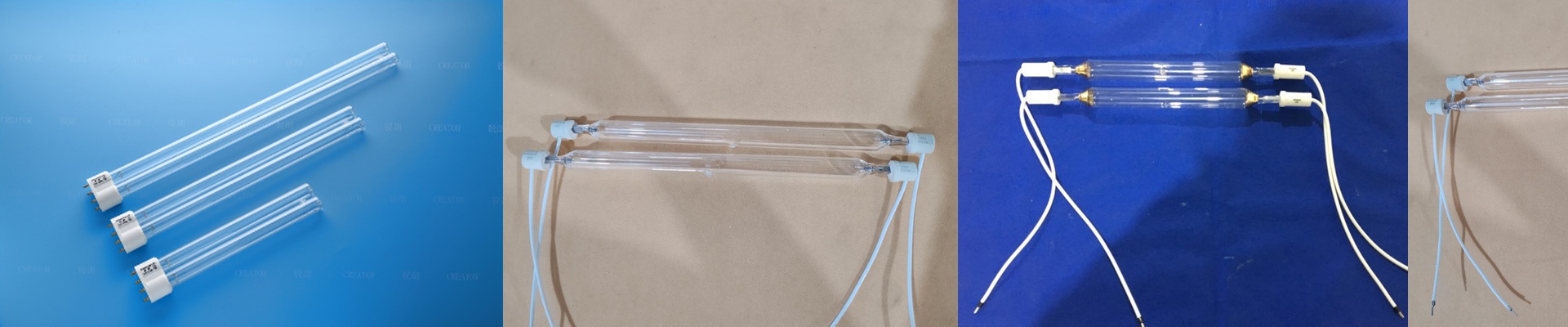
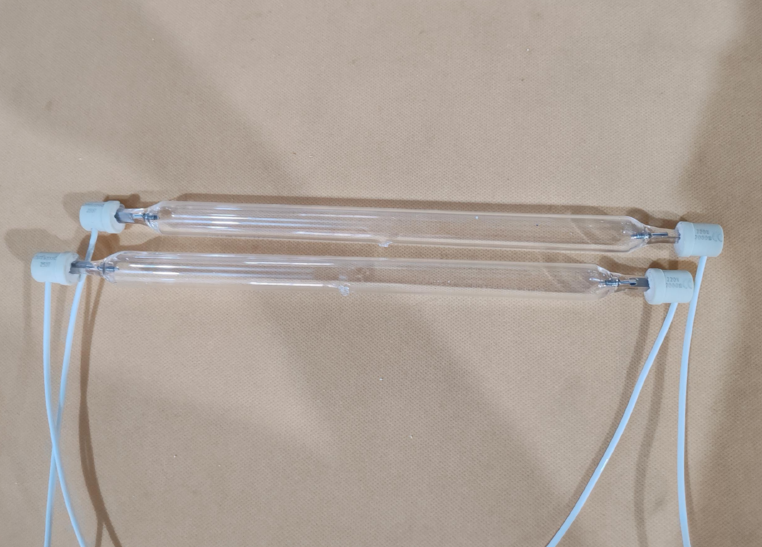
Most people treat UV lamps like lightbulbs—you buy them, you plug them in, and you forget about them until they pop. But if you’re running a curing line, that lamp is basically your engine. Whether you’re doing screen printing or offset, the lamp is what actually decides how fast your line moves and if your ink is actually going to stick or just peel off later. The trick is in the power. UV curing is all about matching the lamp’s light to the chemicals in your ink. We build our lamps in different wattages and lengths to get that balance just right. Now, here’s the thing: if you cram a high wattage into a short tube, you get a ton of power. That means faster curing. Great, right? Well, mostly. The downside is it puts a lot of stress on the quartz glass. If you push it too hard without enough cooling, you’re just asking for the tube to fail or the electrodes to burn out. It’s about the materials. We use high-purity fused quartz because standard glass is a wall—it blocks the shortwave radiation you need to cure the deep sections of your ink. We also obsess over the electrodes. We want them to handle those constant start-stop cycles without flickering or losing stability. Plus, we make sure the connectors fit your existing gear. Because let’s be honest: nobody wants to spend their afternoon rewiring a whole conveyor belt just because they changed a bulb. The heat struggle. High-output lamps don’t just give off UV; they throw off a lot of infrared heat. It’s a balancing act. If you’re working with materials that warp or melt, you can’t just “crank it up.” You’ll need to look at your cooling fans or water jackets to keep things chill. We can help you figure out exactly how far to keep the lamp from your product. That way, you get a perfect cure without scorching your material. We aren’t here to just ship you a box of glass and wire. We want to help you tweak your setup so your ink bonds better and your shop runs faster.